





Spider Wasps
pompilidae
Spider wasps are fascinating insects that hunt spiders to feed their young. They are known for their impressive flying skills and can often be seen darting around gardens and fields.
Habitat: Spider wasps are commonly found in gardens, fields, and wooded areas where they can find spiders.
The Spider Wasps have sleek, often dark metallic bodies, sometimes with bright orange or red markings on their wings or legs. They possess notably long, spiny legs, which help them grasp prey and move through vegetation. Their distinct color patterns often serve as a warning to predators.
Category
InsectsRarity
Common
Danger
1/5 · Very low
Snaps
Be the first to snap!
A female wasp lays a single egg directly on the paralyzed spider's body.
Some giant spider wasps are known as 'tarantula hawks' for hunting huge tarantulas!
The wasp larva eats the living spider from the inside out as it grows.
These solitary hunters raise their young alone, without a colony.
Spider Wasps can deliver a potent sting to paralyze spiders, helping them secure prey for their offspring.
Spider Wasps can drag spiders many times their own body weight, efficiently moving them to their nests.
Spider Wasps have strong, spiny legs for digging intricate burrows, where they hide their paralyzed prey.
Adults drink nectar, but their larvae feast on paralyzed spiders.
Age differences: Adults consume nectar and pollen, while larvae feed entirely on paralyzed spiders.
Araneus diadematus
A common prey item for many species.
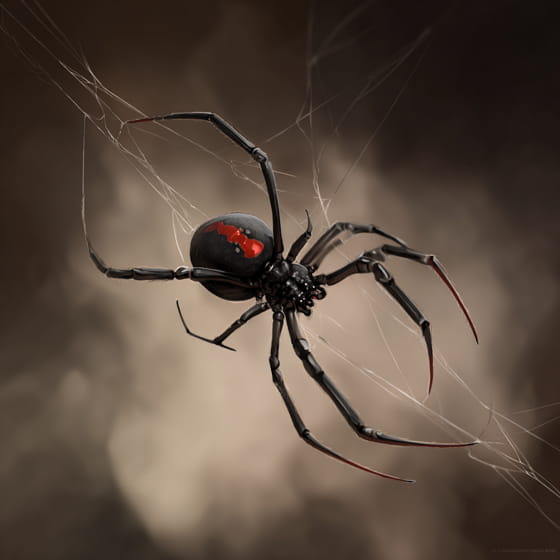
Latrodectus mactans
Some spider wasps specialize in hunting dangerous spiders.
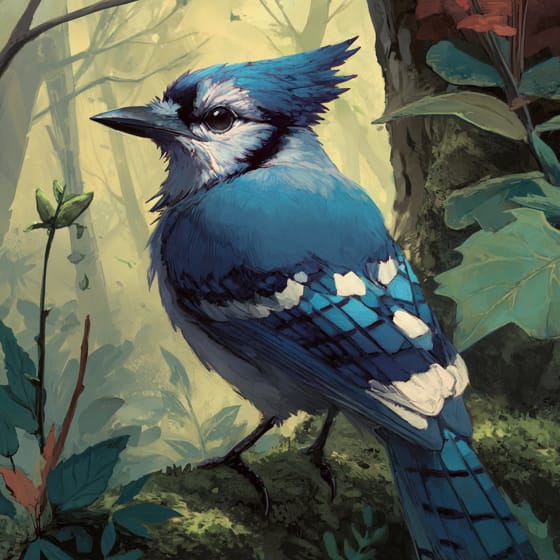
Cyanocitta cristata
Birds sometimes prey on adult spider wasps.

Asclepias syriaca
Adult wasps visit flowers for nectar, aiding pollination.
Solitary animals live alone for most of their lives, only interacting with others for mating or parental care.
Colorful describes organisms or objects displaying a wide range of bright and distinct colors.
This trait identifies organisms whose diet consists entirely or primarily of animal tissue.
Diurnal animals are primarily active during daylight hours, typically resting or sleeping at night.

Describes organisms that transfer pollen, enabling the fertilization and reproduction of plants.
Danger
1/5 · Very low
No special safety notes yet.
The easiest way to identify Spider Wasps is to use the Snappit nature identifier app.
15-60 mm
10-30 mm
15-45 days
20 km/h
Adults drink nectar, but their larvae feast on paralyzed spiders.
Spider wasps are commonly found in gardens, fields, and wooded areas where they can find spiders.
Pursuit
Zoom in to split clusters and explore where this object has been snapped.
Recent snaps will appear here as new observations are added.
Take the discovery with you
Snap it with Snappit to identify it, learn what makes it special, and add the discovery to your collection.








.jpg&width=800)



