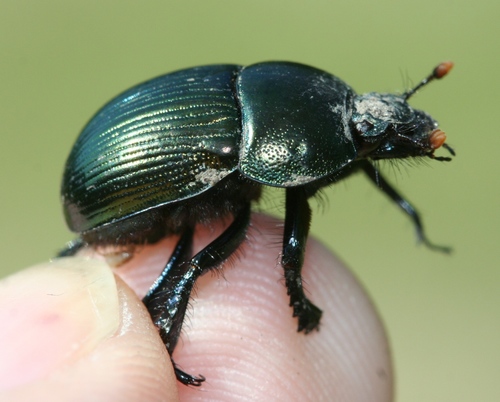


Splendid Earth-Boring Beetle
geotrupes splendidus
The Splendid Earth-Boring Beetle (Geotrupes splendidus) is a captivating insect known for its vibrant, iridescent coloration and crucial role in forest ecosystems. These robust beetles belong to the family Geotrupidae, commonly referred to as 'true' dung beetles due to their specialized feeding and breeding habits revolving around animal excrement. Their life cycle is deeply intertwined with the decomposition process, where they not only consume dung but also bury it deep underground, thus aerating the soil and recycling nutrients. This fascinating behavior highlights their significance as natural recyclers, making them an essential component of healthy forest floor dynamics. Despite their somewhat unsavory diet, their beauty and ecological importance make them a truly splendid subject of observation in the wild.
Habitat: Found in deciduous and mixed forests, woodlands, and pastures, often preferring areas with sandy soil and abundant mammalian dung.
This species is easily recognized by its striking, highly iridescent exoskeleton, which can exhibit brilliant metallic shades of green, blue, bronze, or purple, often with a coppery sheen. It has a compact, oval-shaped body, typically ranging from 1.5 to 2.5 centimeters in length, with pronounced longitudinal ridges (striae) on its wing covers (elytra). The head is relatively small, bearing short, clubbed antennae, while its legs are sturdy and adapted for digging, featuring noticeable spines on the tibiae. Its overall appearance is robust and somewhat domed, reflecting its subterranean lifestyle.
Category
InsectsRarity
Common
Danger
1/5 · Very low
Snaps
1
Despite their common name, 'Earth-Boring' refers to their extensive tunneling activity underground rather than boring into wood or plants.
Like many dung beetles, they are crucial "ecosystem engineers," improving soil health by aerating it and burying organic matter, which prevents excessive fly breeding.
Their iridescent sheen is not due to pigments, but rather to the microscopic structure of their cuticle, which scatters light to create a vibrant, metallic appearance, a phenomenon known as structural coloration.
Adults are expert tunnelers, digging elaborate subterranean galleries beneath dung piles to store food, which serves as both sustenance for themselves and a crucial food source for their developing larvae.
Exhibits a form of biparental care where both male and female beetles collaborate to prepare a "brood ball" of dung, within which a single egg is laid and sealed, providing nourishment for the larva upon hatching.
Its dazzling metallic coloration, while appearing flashy, actually helps it blend into the dappled light and shadow of the forest floor, offering a form of cryptic camouflage against predators.
The Splendid Earth-Boring Beetle primarily feeds on mammalian dung, though adults may also consume decaying fungi and carrion. They play a vital role in nutrient cycling by processing and burying organic waste.
Age differences: Larvae feed exclusively on the dung provisioned by their parents within subterranean brood balls.
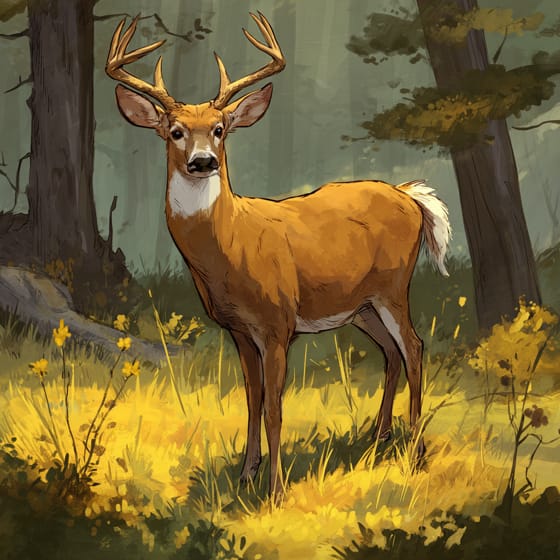
Odocoileus virginianus
Provides primary food source for adult and larval beetles.
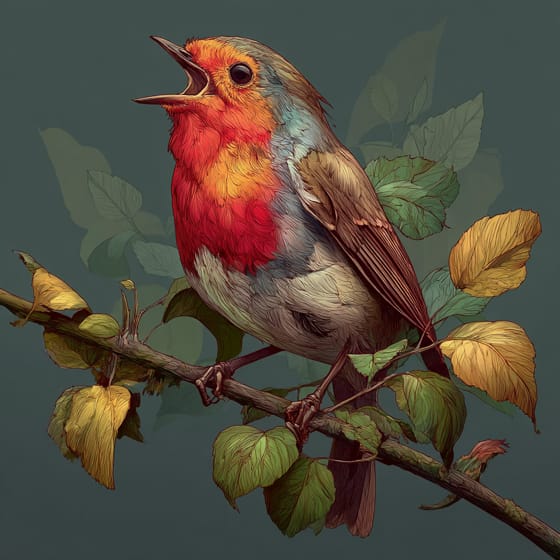
Turdus migratorius
Larvae and adults may be preyed upon by insectivorous birds.
Mephitis mephitis
Preys on adult and larval beetles.
Canthon pilularius
Competition for dung resources, though different species may utilize dung at different stages of decomposition.
No trait badges are assigned for this object yet.
No aliases listed yet.
Collections for this object will appear here as more themes are added.
Danger
1/5 · Very low
No special safety notes yet.
The easiest way to identify Splendid Earth-Boring Beetle is to use the Snappit nature identifier app.
1-2 cm
0.001-0.003 kg
1-2 years
The Splendid Earth-Boring Beetle primarily feeds on mammalian dung, though adults may also consume decaying fungi and carrion. They play a vital role in nutrient cycling by processing and burying organic waste.
Found in deciduous and mixed forests, woodlands, and pastures, often preferring areas with sandy soil and abundant mammalian dung.
Foraging
20-50
Zoom in to split clusters and explore where this object has been snapped.
Take the discovery with you
Snap it with Snappit to identify it, learn what makes it special, and add the discovery to your collection.













.jpg&width=800)




