_Female_Dos.jpg&width=800)





Spongy Moth
Lymantria dispar
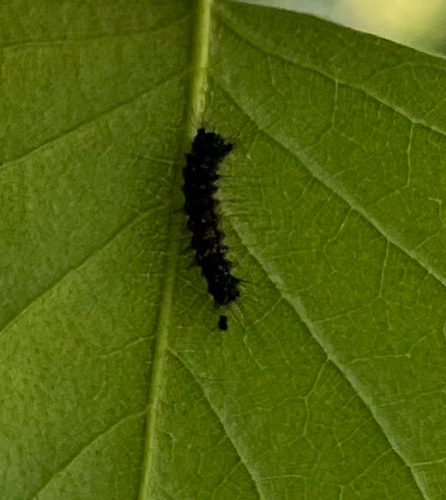
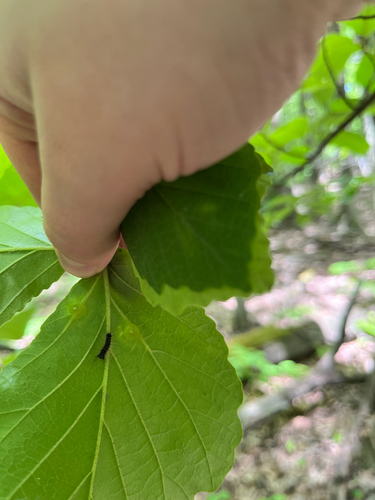
The Spongy Moth is a fuzzy caterpillar that turns into a pretty moth. It has soft, spongy-looking hairs that help it stay safe from birds and other animals.
Habitat: Forests
The Spongy Moth is sexually dimorphic. Males are smaller, brownish with feathery antennae. Females are larger, whitish with subtle dark wavy lines on their wings and slender antennae. Its fuzzy, buff-colored egg masses are also a key visual indicator.
Category
InsectsRarity
Common
Danger
2/5 · Low
Snaps
21
Adult moths don't even have mouths to eat, they just mate and lay eggs!
Caterpillars can drop from trees on silk threads to travel to new leaves!
Males can fly during the day, but females almost never fly at all!
Spongy Moth eggs survive harsh winters hidden in fuzzy, protective masses!
Spongy Moth caterpillars can devour vast amounts of tree leaves, defoliating forests that helps them grow rapidly.
Male Spongy Moths can navigate long distances using sensitive antennae to sniff out female pheromones that helps them find mates.
Female Spongy Moths lay fuzzy, buff-colored egg masses that blend seamlessly into tree bark, helping them protect offspring from predators.
Female Spongy Moths are often flightless, which helps them lay all their eggs in one concentrated spot, ensuring immediate food for hatching larvae.
Hungry caterpillars munch leaves from hundreds of different trees and plants.
Age differences: Only the caterpillar stage eats; adult moths do not feed.
Cuculus canorus
Preys on Spongy Moth caterpillars in its native range.
Apanteles disparis
Larvae parasitize Spongy Moth caterpillars.
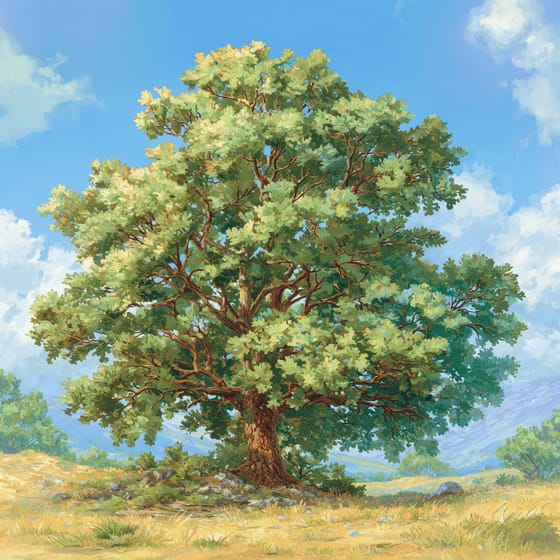
Quercus alba
A primary food source for Spongy Moth caterpillars.
Sorex araneus
Consumes Spongy Moth pupae on the forest floor.
Furry describes animals possessing a dense covering of soft hair or fur.
Solitary animals live alone for most of their lives, only interacting with others for mating or parental care.
This trait characterizes organisms whose diet consists entirely or primarily of plant material.
Forest habitats are terrestrial environments dominated by dense tree cover, supporting a high diversity of plant and animal life.

Nocturnal animals are primarily active during the nighttime hours, typically resting or sleeping during the day.

Describes organisms that transfer pollen, enabling the fertilization and reproduction of plants.
Danger
2/5 · Low
Don't touch the caterpillars, as their hairs can irritate your skin.
The easiest way to identify Spongy Moth is to use the Snappit nature identifier app.
25-70 mm
12-35 mm
7-14 days
5-15 km/h
Hungry caterpillars munch leaves from hundreds of different trees and plants.
Forests
Foraging
Zoom in to split clusters and explore where this object has been snapped.
Jun 3, 2026
Binghamton Zoo at Ross ParkPhoto attribution
(c) Christina S. Baer, some rights reserved (CC BY)
License: CC BY 4.0 ↗
Image may be shown cropped inside the card frame.
Jun 2, 2026
Binghamton Zoo at Ross ParkPhoto attribution
(c) Christina S. Baer, some rights reserved (CC BY)
License: CC BY 4.0 ↗
Image may be shown cropped inside the card frame.

Rhode Island, US
You might spot Common Mugwort, Duck, and Azure Bluet.
View guide →

US
You might spot Pink Lady's Slipper and Canada Mayflower.
View guide →

Maine, US
You might spot Ghost Pipe, Pink Lady's Slipper, and Bluebead Lily.
View guide →

Wisconsin, US
You might spot American Cancer-Root and Eastern White Pine.
View guide →

New Jersey, US
You might spot Mountain Laurel, Pink Lady's Slipper, and Fowler's Toad.
View guide →

Quebec, CA
You might spot Eastern Gray Squirrel, House Sparrow, and Rock Pigeon.
View guide →
Take the discovery with you
Snap it with Snappit to identify it, learn what makes it special, and add the discovery to your collection.







.jpg&width=800)



