





Riley's 13-Year Cicada
Magicicada tredecim
Riley's 13-Year Cicada is a special bug that spends most of its life underground. After 13 years, it comes out to sing and find a mate. They make a loud buzzing sound that fills the air in summer!
Habitat: Forests
The Riley's 13-Year Cicada has a stout, dark body, often appearing black, with striking reddish-orange eyes and prominent orange veins on its clear wings. Its distinctive eye color and wing venation make it visually different from most other cicada species.
Category
InsectsRarity
Common
Danger
1/5 · Very low
Snaps
4
Baby cicadas dig tunnels as they grow, living deep below the earth!
Billions of these cicadas can emerge together, blanketing entire forests!
Their loud chorus can reach 100 decibels, like a motorcycle engine!
They wait for exactly 13 years before emerging from underground!
Riley's 13-Year Cicada can spend 13 years underground because of its unique life cycle that helps them avoid predators for a long time.
Riley's 13-Year Cicada can create incredibly loud buzzing songs that helps them find mates in noisy swarms.
Riley's 13-Year Cicada has a special straw-like mouthpart that helps them drink sap from tree roots while underground.
Riley's 13-Year Cicada can emerge in massive numbers all at once, which helps them overwhelm predators.
These cicadas drink tree sap for all their food and water!
Age differences: Young cicadas drink sap from tree roots underground; adults drink from branches.

Sturnus vulgaris
Feeds on emerging and adult cicadas.
Meleagris gallopavo
Scratches for cicada nymphs and adults.

Procyon lotor
Hunts cicadas emerging from the ground.

Quercus alba
Nymphs and adults feed on its sap.
Social animals live in organized groups, cooperating for survival benefits such as foraging, defense, and raising offspring.
Singing animals produce complex vocalizations, often for purposes of attracting mates, defending territory, or communicating within their species.
This trait characterizes organisms whose diet consists entirely or primarily of plant material.
This trait signifies organisms belonging to a very old evolutionary group with ancestors dating back millions of years.

Forest habitats are terrestrial environments dominated by dense tree cover, supporting a high diversity of plant and animal life.

This trait characterizes organisms with an exceptionally long lifespan compared to others of their kind.
Danger
1/5 · Very low
Cicadas are safe to watch, but don't touch them too much since they can be delicate.
The easiest way to identify Riley's 13-Year Cicada is to use the Snappit nature identifier app.
60-80 mm
25-35 mm
28-42 days
10 km/h
These cicadas drink tree sap for all their food and water!
Forests
Foraging
Zoom in to split clusters and explore where this object has been snapped.

South Carolina, US
You might spot Butterfly Pea, Red-Tailed Hawk, and Northern Cardinal.
View guide →

Georgia, US
You might spot Riley's 13-Year Cicada, Joro Spider, and Asian Lady Beetle.
View guide →
Georgia, US
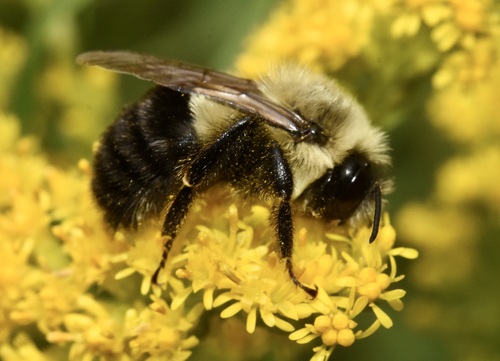
You might spot Common Eastern Bumble Bee and Bee.
View guide →
Take the discovery with you
Snap it with Snappit to identify it, learn what makes it special, and add the discovery to your collection.








.jpg&width=800)



