





Spotted Sedges
Hydropsyche
Spotted sedges are small, colorful insects that live near water. They are known for their unique patterns and help keep rivers clean by eating tiny bits of organic matter.
Habitat: Wetlands
The Spotted Sedges is a small, moth-like insect with mottled brown and grey wings often featuring darker spots. Its wings are held roof-like over its body, giving it a tented appearance while resting. Distinctive antennae are long and slender.
Category
InsectsRarity
Common
Danger
1/5 · Very low
Snaps
Be the first to snap!
Adults often emerge in huge swarms, making riversides look alive!
Scientists study their presence to check how clean our rivers are!
Some types of these insects don't even eat once they become adults!
Their underwater larvae are like tiny architects, building silken homes!
Spotted Sedges can weave intricate silk nets underwater because this helps them trap tiny food particles flowing past.
Spotted Sedges has mottled, spotted wings that help them blend perfectly into their tree bark or rock surroundings, avoiding predators.
Spotted Sedges larvae can only live in clean, moving water, which helps scientists measure how healthy a river is.
Larvae filter tiny bits of food from water; adults eat little to nothing, focusing on reproduction.
Age differences: Larvae filter-feed on microscopic particles, but adults often do not feed at all.
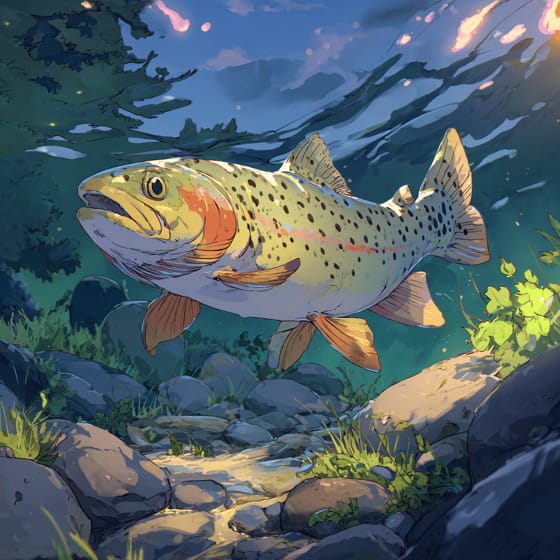
Oncorhynchus mykiss
A favorite meal for these freshwater fish.
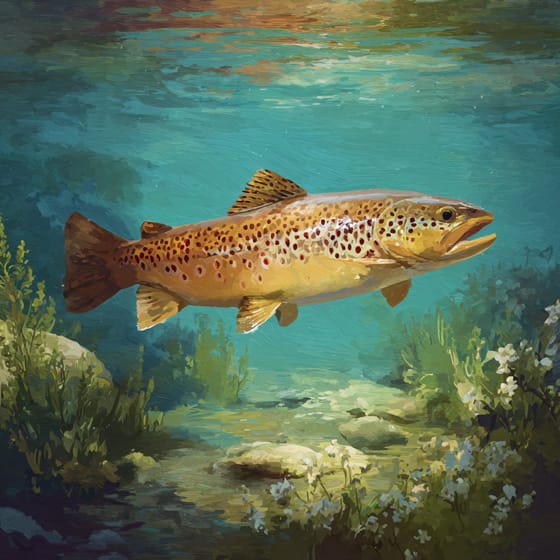
Salmo trutta
Larvae are a vital food source for young trout.

Cinclus mexicanus
These birds dive underwater to catch larvae.
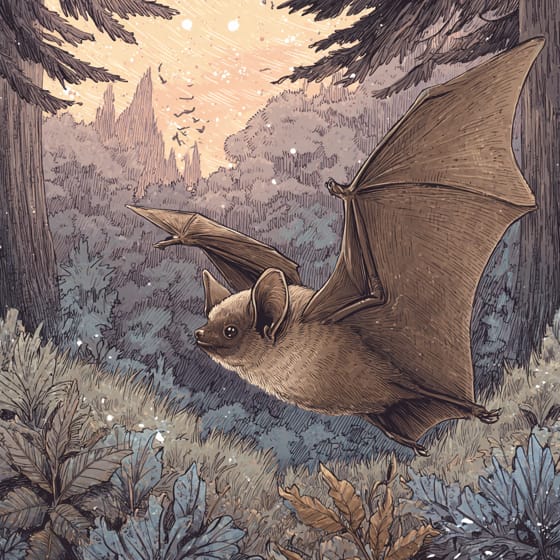
Myotis lucifugus
Adults are prey for bats during nighttime flights.
Marked with spots or patches of a different color.
Colorful describes organisms or objects displaying a wide range of bright and distinct colors.
Filter feeders obtain nutrients by straining suspended food particles and small organisms from water.
This trait characterizes organisms whose diet consists entirely or primarily of plant material.

Describes organisms that break down dead organic material, recycling nutrients back into the ecosystem.

This habitat trait identifies species found in wetlands, which are areas of land saturated with water, either permanently or seasonally, including marshes, swamps, and bogs.

Diurnal animals are primarily active during daylight hours, typically resting or sleeping at night.

Freshwater habitats include non-saline aquatic environments such as rivers, lakes, ponds, and wetlands, vital for numerous species.

Describes a species whose presence and role have a disproportionately large effect on its environment.

Describes organisms that transfer pollen, enabling the fertilization and reproduction of plants.
No aliases listed yet.
Danger
1/5 · Very low
Always wash your hands after playing near water to stay clean and healthy.
The easiest way to identify Spotted Sedges is to use the Snappit nature identifier app.
15-30 mm
8-18 mm
90-365 days
5 km/h
Larvae filter tiny bits of food from water; adults eat little to nothing, focusing on reproduction.
Wetlands
Filter Feeding
Zoom in to split clusters and explore where this object has been snapped.
Recent snaps will appear here as new observations are added.
Take the discovery with you
Snap it with Snappit to identify it, learn what makes it special, and add the discovery to your collection.







.jpg&width=800)


