





Spreading Phlox
phlox diffusa
Spreading Phlox is a beautiful ground-cover plant that blooms with colorful flowers in spring. Its sweet scent attracts butterflies and bees, making it a favorite in gardens!
Habitat: Rocky or sandy soils in sunny areas, often found in gardens and natural landscapes.
The Spreading Phlox is a low-growing, mat-forming plant with densely packed, needle-like green leaves. Its abundant, star-shaped flowers bloom in shades of pink, lavender, white, or occasionally pale blue, forming a vibrant carpet over rocky ground.
Category
PlantsRarity
Common
Danger
0/5 · No known danger
Snaps
4
Even though it looks small and delicate, a single Spreading Phlox plant can live for many decades!
Its tiny, star-shaped flowers can glow under UV light, creating invisible landing strips for bees!
The name "Phlox" comes from the Greek word for "flame," perhaps for the bright colors of some relatives!
This hardy plant can grow right out of cracks in solid rock on exposed mountain slopes!
Spreading Phlox has a mat-forming growth habit that helps it cling to rocky slopes and prevent erosion.
Spreading Phlox can thrive in dry conditions thanks to its small, tough leaves that reduce water loss.
Spreading Phlox can produce beautiful flowers early in spring, attracting the first active pollinators.
Bombus bifarius
seeking nectar and pollen early in spring
_(6276931016).jpg&width=800)
Speyeria zerene
collecting nectar from the colorful blooms
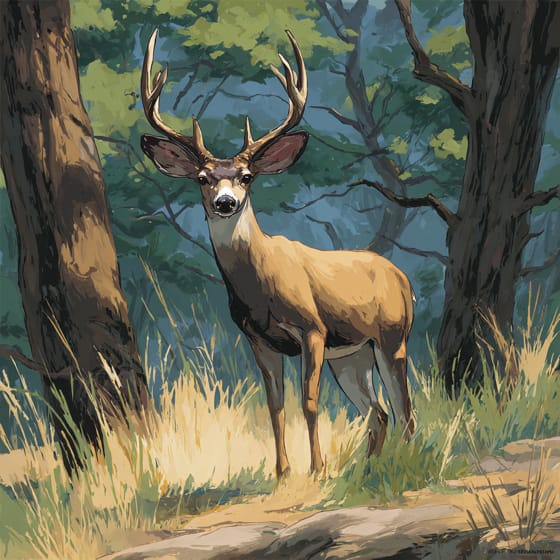
Odocoileus hemionus
browsing occasionally on its tough foliage
Colorful describes organisms or objects displaying a wide range of bright and distinct colors.
Grassland habitats are terrestrial biomes dominated by grasses and herbaceous plants, supporting a variety of grazing animals.
Forest habitats are terrestrial environments dominated by dense tree cover, supporting a high diversity of plant and animal life.
Diurnal animals are primarily active during daylight hours, typically resting or sleeping at night.

Describes organisms that transfer pollen, enabling the fertilization and reproduction of plants.
No aliases listed yet.
Danger
0/5 · No known danger
No special safety notes yet.
The easiest way to identify Spreading Phlox is to use the Snappit nature identifier app.
5-20 cm
30-90 cm
1-2 cm
Spring
No
None
Perennial
Zoom in to split clusters and explore where this object has been snapped.
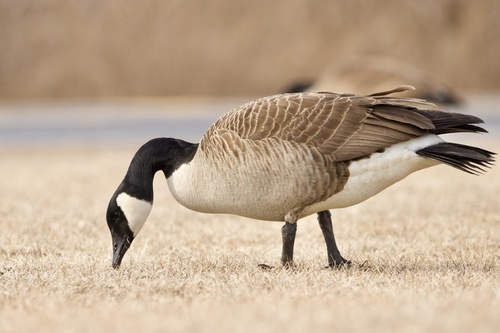
Nevada, US
You might spot Canada Goose, Antelope Bitterbrush, and Steller's Jay.
View guide →

British Columbia, CA
You might spot White Pasqueflower and Columbian Ground Squirrel.
View guide →

Washington, US
You might spot Cascade Golden-Mantled Ground Squirrel.
View guide →

Washington, US
You might spot White Pasqueflower, Pearly Everlasting, and Avalanche Lily.
View guide →

Washington, US
You might spot Cascade Golden-Mantled Ground Squirrel.
View guide →
Take the discovery with you
Snap it with Snappit to identify it, learn what makes it special, and add the discovery to your collection.








.jpg&width=800)



_001.jpg&width=800)




