.jpg&width=800)





Oregon oak
Quercus garryana
The Oregon oak is a strong tree that can grow very tall and wide. It has beautiful leaves that change colors in the fall, making it a lovely sight in nature.
Habitat: Forests
The Oregon oak is a stately, deciduous tree with a broad, rounded crown. It has distinctive dark green leaves with deep, rounded lobes and thick, gray-brown, furrowed bark, making it stand out in western landscapes.
Category
PlantsRarity
Common
Danger
1/5 · Very low
Snaps
2
Its tough, furrowed bark protects it like armor from wildfires.
Native peoples traditionally prepared and ate their acorns as a staple food!
One tree can drop thousands of acorns, feeding many hungry animals!
Sometimes, a single Oregon oak can live longer than 500 years!
Oregon oak has deep roots that help it find water in dry summers, making it very drought-resistant.
Oregon oak has thick, fire-resistant bark that helps protect its trunk from many wildfires.
Oregon oak can produce abundant acorns, providing vital food for forest animals and new trees.
Deciduous plants periodically shed all their leaves, typically during autumn or dry seasons.
Spring blooming plants produce their flowers during the spring season, often signifying the end of winter and the start of new growth.
Broadleaf trees are angiosperms characterized by flat, wide leaves that are typically shed annually in temperate climates.
Nut bearing plants produce hard-shelled fruits, commonly known as nuts, which contain a single seed and are a valuable food source.

Edible plants are those parts of a plant that are considered safe for human consumption.

Fall color refers to the seasonal change in foliage pigmentation, primarily in deciduous plants, displaying vibrant hues.

Timber refers to wood that has been prepared for use in building and carpentry.

Forest habitats are terrestrial environments dominated by dense tree cover, supporting a high diversity of plant and animal life.

This trait characterizes organisms with an exceptionally long lifespan compared to others of their kind.

Describes a species whose presence and role have a disproportionately large effect on its environment.
No aliases listed yet.
Danger
1/5 · Very low
Stay clear of falling branches and always ask an adult before climbing trees.
The easiest way to identify Oregon oak is to use the Snappit nature identifier app.
500-3000 cm
500-1500 cm
1-5 cm
Spring
No
Mild
Perennial
Zoom in to split clusters and explore where this object has been snapped.

Washington, US
You might spot Barrow's Goldeneye and Pacific Banana Slug.
View guide →
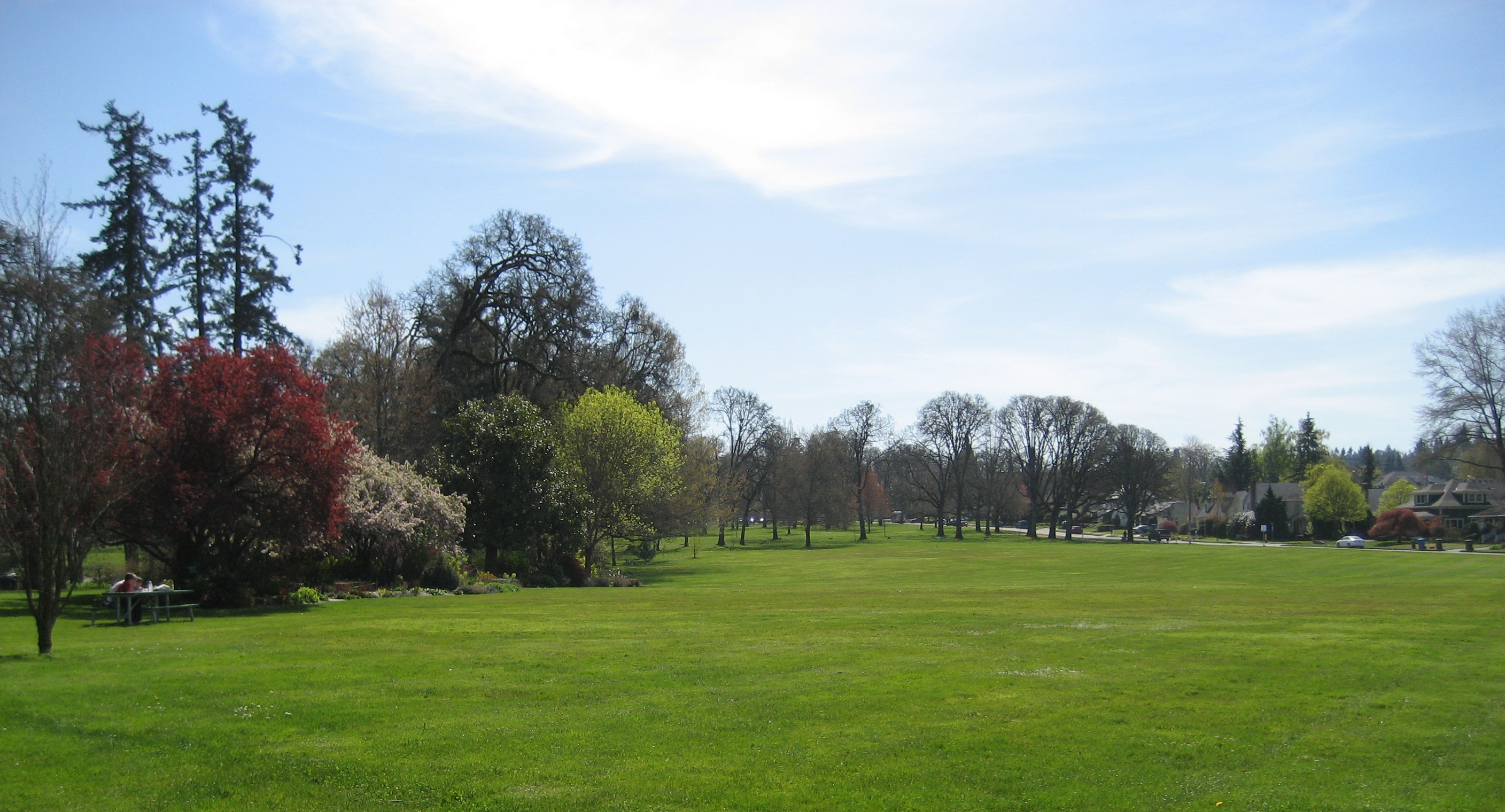
Oregon, US
You might spot Oregon Oak and Douglas's Ground Squirrel.
View guide →

Oregon, US
You might spot Great Camas, Columbian Larkspur, and Osoberry.
View guide →

Oregon, US
You might spot Oregon Oak, Tree-Of-Heaven, and Garter Snake.
View guide →

Oregon, US
You might spot Canada Goose, Duck, and Greater White-Fronted Goose.
View guide →
British Columbia, CA
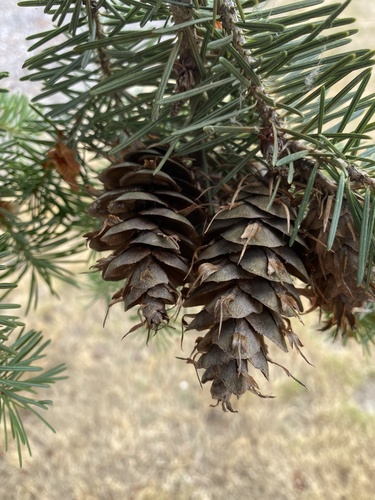
You might spot Douglas Fir, Purple Foxglove, and Oregon Oak.
View guide →
Take the discovery with you
Snap it with Snappit to identify it, learn what makes it special, and add the discovery to your collection.






.jpg&width=800)



.jpg&width=800)


_001.jpg&width=800)


