Pika

Discover the captivating blend of history and breathtaking natural beauty at the Sunrise Historic District, perched high in Washington's iconic Mount Rainier National Park.
Discover the captivating blend of history and breathtaking natural beauty at the Sunrise Historic District, perched high in Washington's iconic Mount Rainier National Park. This historic area, originally known as Yakima Park, serves as a remarkable testament to early 20th-century park development, featuring structures built in the distinctive National Park Service Rustic style that harmonizes seamlessly with the rugged mountain landscape. It offers unparalleled panoramic vistas of Mount Rainier, its glaciers, and surrounding Cascade peaks, making it a truly unique destination for history buffs and nature lovers alike.
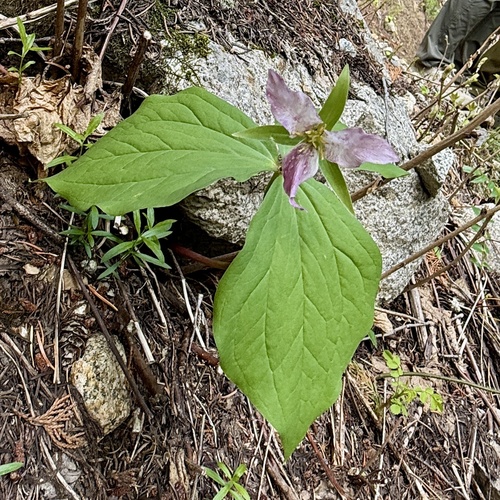
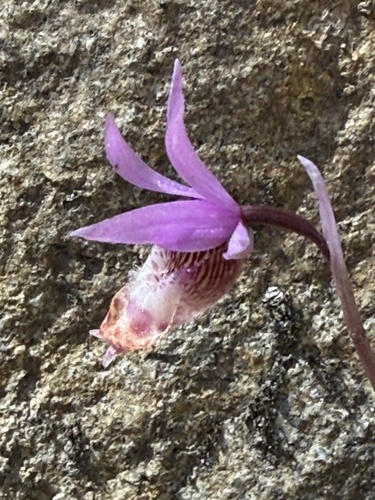
The district's "curated collection" includes architectural gems like the Sunrise Lodge, a grand shingled structure designed to be a resort hotel, and the Yakima Park Stockade Group, featuring two blockhouses and a visitor center that evoke early territorial outposts. Visitors can explore these well-preserved buildings, which tell the story of a bygone era, while also immersing themselves in the vibrant subalpine meadows that burst with colorful wildflowers during the summer months. From the Sunrise Visitor Center, interpretive exhibits further enrich the experience, detailing both the human history and the unique high-elevation ecosystem.
Visiting the Sunrise Historic District is an unforgettable journey into both the past and the pristine wilderness. It's a place where you can walk through history, marvel at engineering designed to blend with nature, and stand in awe of some of the most spectacular mountain scenery in the Pacific Northwest. The combination of its historical significance, the stunning architectural style, and the dramatic backdrop of Mount Rainier and its surrounding peaks provides a deeply enriching and memorable experience for all who venture to this elevated sanctuary. Don't forget to bring the Snappit nature identification app along to scan local species.
The Sunrise Historic District originated from the vision to create a major tourist destination on the east side of Mount Rainier National Park, a project that began in the late 1920s. Known initially as Yakima Park, its development was spearheaded by Ernest A. Davidson of the National Park Service Landscape Division, who crafted a comprehensive master plan for the area. This plan aimed to avoid the haphazard development seen in other park areas like Paradise, focusing instead on a cohesive design. Construction, primarily between 1930 and 1944, saw the creation of seven main structures, including the Sunrise Lodge, the Yakima Park Stockade Group, and the Sunrise Comfort Station. These buildings exemplify the National Park Service Rustic style, characterized by their use of local materials like timber, stone, and log frames, intended to integrate with the natural environment. Although initial plans for a much larger resort hotel and 700 cabins were scaled back due to the Great Depression and World War II, the completed structures form a nationally significant example of early park planning and architecture. The district was added to the National Register of Historic Places on March 13, 1991, and is part of the larger Mount Rainier National Historic Landmark District.
Explore the historic buildings of the district, visit the interpretive displays at the Sunrise Visitor Center, hike a portion of the many trails that depart from Sunrise (such as the Sunrise Rim Trail to Shadow Lake or the Sourdough Ridge Trail for views), enjoy a meal at the Sunrise Lodge, and take in the unparalleled scenic vistas.
Summer offers full accessibility by vehicle and the best opportunities for hiking and wildflower viewing. While drier than the park's western side (Paradise), clear views of the mountain are common.
The Sunrise area provides amenities such as benches/seating, and the visitor center generally offers accessible facilities. Visitors should check the National Park Service website for specific details on wheelchair accessibility for individual trails and buildings, as conditions can vary.
An iconic 2.5-story shingled building with a steeply pitched roof, offering dining services and a gift shop.
A collection of two blockhouses and a visitor center, designed in an "Exaggerated Rustic" style reminiscent of frontier outposts, originally serving as an administrative and interpretive hub.
Features exhibits on the area's history, geology, and ecology, along with a bookstore and ranger-led activities.
Breathtaking 360-degree views of Mount Rainier, Emmons Glacier, and distant Cascade Range volcanoes like Mount Adams, Mount Baker, Glacier Peak, and Mount Stuart from various overlooks, especially Sunrise Point.
Each card links to a full Explore page with photos, traits, and fun facts.
Start with the big picture, then zoom in to explore individual wildlife observations around this place.
Arrive Early or Late
Sunrise is a very popular destination. Visit early in the morning or late in the afternoon, or during a weekday, to avoid crowds and find parking more easily.
Check Road Status
The road to Sunrise is seasonal. Always check the Mount Rainier National Park website for current road opening and closing dates and conditions before your visit.
Dress in Layers
Mountain weather can change rapidly. Bring layers of clothing, including a waterproof outer shell, even on sunny summer days.
Stay on Trails
The subalpine meadows contain fragile plant life. Help protect them by remaining on marked trails and paths.
Bring Binoculars
Enhance your experience by bringing binoculars to get closer views of Mount Rainier's glaciers, distant peaks, and any wildlife you might spot.
Pack Water and Snacks
While the Sunrise Day Lodge offers food service, it's wise to carry your own water and snacks, especially if you plan on hiking.
May 31, 2026
Photo attribution
(c) Hill Craddock, some rights reserved (CC BY)
License: CC BY 4.0 ↗
Image may be shown cropped inside the card frame.
May 31, 2026
Photo attribution
(c) Hill Craddock, some rights reserved (CC BY)
License: CC BY 4.0 ↗
Image may be shown cropped inside the card frame.
May 31, 2026
Photo attribution
(c) Hill Craddock, some rights reserved (CC BY)
License: CC BY 4.0 ↗
Image may be shown cropped inside the card frame.
May 31, 2026
Photo attribution
(c) Hill Craddock, some rights reserved (CC BY)
License: CC BY 4.0 ↗
Image may be shown cropped inside the card frame.
Apr 10, 2026
Photo attribution
no rights reserved
License: CC0 1.0 ↗
Image may be shown cropped inside the card frame.

Maryland, US
You might spot White-Tailed Deer and Eastern Gray Squirrel.
View guide →
.jpg)
District of Columbia, US
You might spot Eastern Gray Squirrel, Duck, and House Sparrow.
View guide →

Illinois, US
You might spot American Robin, Canada Goose, and House Sparrow.
View guide →

Virginia, US
You might spot Spotted Lanternfly and Northern Cardinal.
View guide →
Take the discovery with you
Identify the wildlife you spot, learn as you go, and keep a collection of the adventure.