





Square Gooseneck Moss
Rhytidiadelphus squarrosus
Square Gooseneck Moss is a soft, green moss that grows in clumps. It looks like little green pillows and can often be found in shady, damp places. This moss helps keep the soil healthy and provides a home for tiny creatures.
Habitat: Forests
The Square Gooseneck Moss has distinctive stems that curve like a goose's neck, with leaves sharply bent backward, giving it a spiky, ruffled look. Its vibrant green mats often create a soft, uneven texture on the ground, appearing somewhat dishevelled.
Category
PlantsRarity
Common
Danger
1/5 · Very low
Snaps
Be the first to snap!
It often grows fastest in cool, damp conditions, even thriving through mild winters!
Its Latin name describes its 'wrinkled' look and 'backward-pointing' leaves!
Some small birds cunningly use its soft, dense mats to build cozy, insulated nests!
This moss can indicate compacted or disturbed soil, revealing past human activity.
Square Gooseneck Moss forms dense mats that protect soil from erosion and provide shelter for tiny ground creatures.
Square Gooseneck Moss releases tiny spores that travel far on the wind, allowing it to colonize new places efficiently.
Troglodytes troglodytes
Uses its dense mats for nesting material.
Limax maximus
Grazes on the moss, especially during damp conditions.
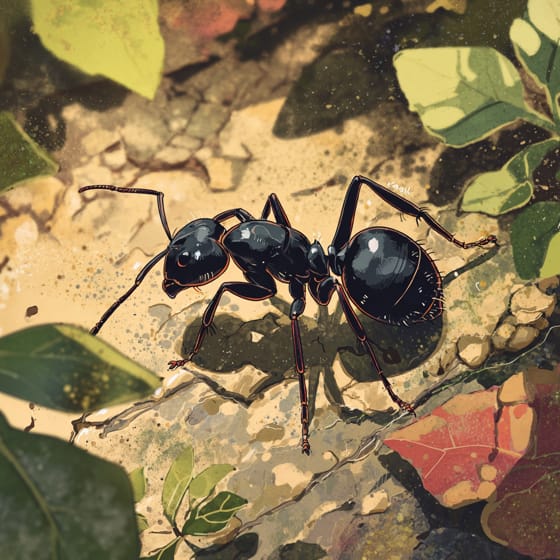
Formica fusca
Builds nests and finds cover within the moss mats.
This trait characterizes plants lacking specialized vascular tissues (xylem and phloem) for transporting water and nutrients.
Grass-like plants are herbaceous plants that visually resemble true grasses, typically having long, narrow leaves.
Shade tolerant plants are adapted to grow and thrive in areas with low light levels, requiring less direct sunlight.
Spore-producing organisms reproduce by releasing small, often single-celled, reproductive units called spores.

Describes organisms that break down dead organic material, recycling nutrients back into the ecosystem.

Forest habitats are terrestrial environments dominated by dense tree cover, supporting a high diversity of plant and animal life.
No aliases listed yet.
Danger
1/5 · Very low
It's safe to touch moss, but be gentle and don't pull it out of the ground.
The easiest way to identify Square Gooseneck Moss is to use the Snappit nature identifier app.
3-15 cm
No
None
Perennial
Forests
Zoom in to split clusters and explore where this object has been snapped.
Recent snaps will appear here as new observations are added.
Take the discovery with you
Snap it with Snappit to identify it, learn what makes it special, and add the discovery to your collection.








.jpg&width=800)



_001.jpg&width=800)



