_repens_(3621876909).jpg&width=800)





creeping mahonia
Berberis repens
Creeping mahonia is a small, evergreen shrub with shiny leaves and bright yellow flowers. It grows close to the ground and can spread out like a carpet, making it a lovely addition to gardens.
Habitat: Forests
The creeping mahonia is a low-growing, evergreen shrub with distinctive holly-like, spiny, green leaves that often turn reddish-purple in cold weather. It boasts clusters of small, bright yellow flowers, followed by powdery blue-black berries.
Category
PlantsRarity
Common
Danger
2/5 · Low
Snaps
19
Even though its leaves look like holly, this plant is not related to true holly at all!
In autumn, its tough green leaves can magically change to surprising purple-red hues!
Its roots were once used by Native Americans to make a bright yellow dye!
The tart blue berries are perfect for making delicious jellies and sauces!
Creeping mahonia has tough, evergreen leaves that help it stay green and make food all year, even when other plants lose their leaves.
Creeping mahonia has sharp, spiny edges on its leaves that help defend it from hungry animals that might want a snack.
Creeping mahonia can spread with special underground stems (rhizomes) to colonize new areas and find more water.
Creeping mahonia produces tart, blue-black berries that attract birds and other animals, helping the plant spread its seeds far and wide.
Apis mellifera
Gathers nectar from its yellow flowers.
Bombus mixtus
Visits flowers for pollen and nectar.
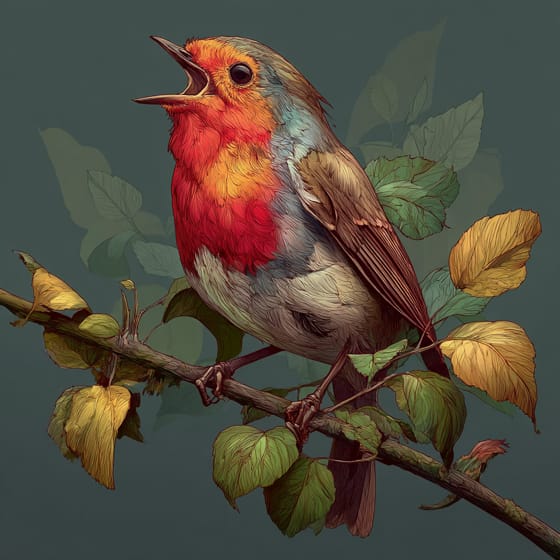
Turdus migratorius
Feeds on its nutritious blue-black berries.
Ursus americanus
Forages for its berries as a food source.
Flowering plants are any plants that produce flowers as part of their reproductive cycle.
Ornamental plants are cultivated primarily for their aesthetic appeal, enhancing landscapes and gardens with their attractive foliage, flowers, or form.
A shrub is a woody plant smaller than a tree, typically with multiple stems branching from or near the ground.
Spring blooming plants produce their flowers during the spring season, often signifying the end of winter and the start of new growth.

Evergreen plants retain their foliage throughout the year, never shedding all their leaves at once.

Fruit-bearing plants produce fruits, which are the mature ovaries of flowering plants containing seeds.

Edible plants are those parts of a plant that are considered safe for human consumption.

Describes plants that are particularly attractive and beneficial to a wide range of pollinating organisms.

Forest habitats are terrestrial environments dominated by dense tree cover, supporting a high diversity of plant and animal life.
No aliases listed yet.
Danger
2/5 · Low
Always ask an adult before touching plants, as some can be prickly.
The easiest way to identify creeping mahonia is to use the Snappit nature identifier app.
15-30 cm
30-90 cm
0.5-1 cm
Spring to early summer
Yes
Mild
Perennial
Zoom in to split clusters and explore where this object has been snapped.

Utah, US
You might spot Common Golden-Mantled Ground Squirrel and Steller's Jay.
View guide →

Utah, US
You might spot Common Golden-Mantled Ground Squirrel and Steller's Jay.
View guide →

Wyoming, US
You might spot Moose, Arrowleaf Balsamroot, and Black Bear.
View guide →

Colorado, US
You might spot Black-Billed Magpie and Twinberry Honeysuckle.
View guide →

Wyoming, US
You might spot Creeping Mahonia, Utah Honeysuckle, and Woodland Pinedrops.
View guide →

Wyoming, US
You might spot Moose, Uinta Ground Squirrel, and American Bison.
View guide →
Take the discovery with you
Snap it with Snappit to identify it, learn what makes it special, and add the discovery to your collection.







.jpg&width=800)



_001.jpg&width=800)


