





Steely-blue Woodwasp
Sirex juvencus
The Steely-blue Woodwasp is a shiny blue insect that loves to live in forests. It helps trees by laying eggs in wood, which can help break down old trees and make room for new ones.
Habitat: Forests
The Steely-blue Woodwasp has a striking metallic blue or purplish-blue body, often with orange legs and a yellowish base to the abdomen, especially in males. Females possess a remarkably long, needle-like ovipositor extending beyond their body, used for egg-laying.
Category
InsectsRarity
Common
Danger
1/5 · Very low
Snaps
Be the first to snap!
Its larvae live inside wood for up to three years before emerging as adults!
The female lays eggs deep inside trees, sometimes leaving behind a tiny drill hole.
They are sometimes called 'horntails' because of a spiky horn on their tail!
Unlike many wasps, this species cannot sting you – only females have an ovipositor!
Steely-blue Woodwasp has a long, tough ovipositor that helps them bore deep into wood to lay eggs safely.
Steely-blue Woodwasp carries special fungus spores that help soften wood, making it easier for larvae to eat.
Steely-blue Woodwasp can detect stressed trees from afar, helping them find ideal places to lay eggs.
Larvae munch on wood inside trees, while adults usually don't eat or just sip tree sap.
Age differences: Larvae feed on wood, while adults typically do not feed, relying on energy reserves from the larval stage.
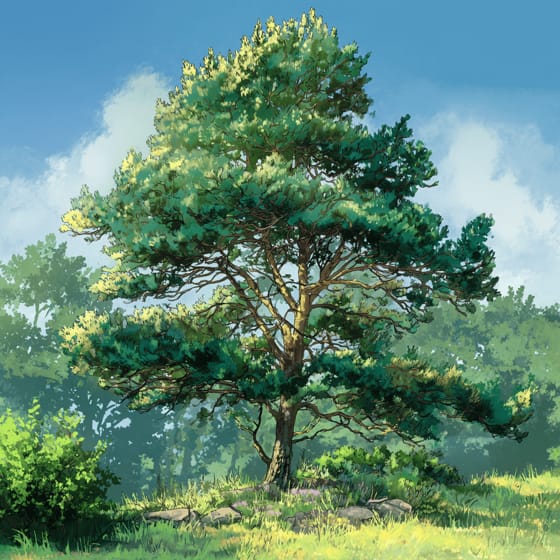
Pinus sylvestris
Larvae tunnel and feed within the heartwood of this tree.
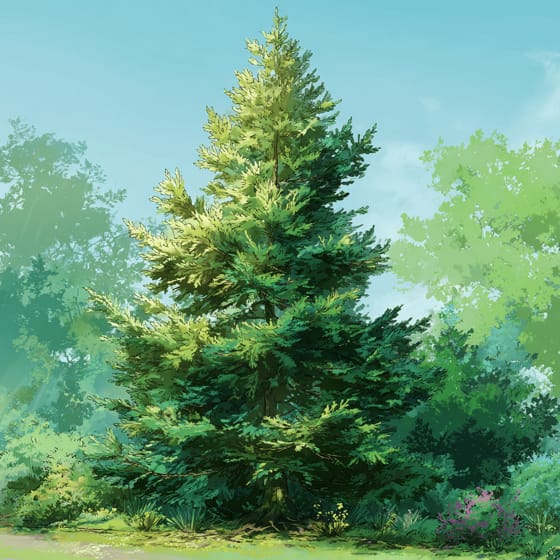
Picea abies
Larvae also target stressed or dying spruce trees.
Abies alba
Larvae develop inside the wood of this common conifer.
Amylostereum areolatum
Female woodwasps carry spores of this fungus to soften wood for larvae.
Ibalia leucospoides
This parasitic wasp lays its eggs on Steely-blue Woodwasp larvae.
Solitary animals live alone for most of their lives, only interacting with others for mating or parental care.
Colorful describes organisms or objects displaying a wide range of bright and distinct colors.
This trait characterizes organisms whose diet consists entirely or primarily of plant material.
Describes organisms that break down dead organic material, recycling nutrients back into the ecosystem.

Forest habitats are terrestrial environments dominated by dense tree cover, supporting a high diversity of plant and animal life.

Describes a species whose presence and role have a disproportionately large effect on its environment.

Describes organisms that transfer pollen, enabling the fertilization and reproduction of plants.
No aliases listed yet.
Danger
1/5 · Very low
These insects are not dangerous, but it's best to watch them from a distance.
The easiest way to identify Steely-blue Woodwasp is to use the Snappit nature identifier app.
30-70 mm
9-38 mm
7-30 days
15 km/h
Larvae munch on wood inside trees, while adults usually don't eat or just sip tree sap.
Forests
Foraging
Zoom in to split clusters and explore where this object has been snapped.
Recent snaps will appear here as new observations are added.
Take the discovery with you
Snap it with Snappit to identify it, learn what makes it special, and add the discovery to your collection.








.jpg&width=800)

