





Steiroxys
Steiroxys
Steiroxys are fascinating insects that can be found in various environments. They have unique shapes and colors that help them blend in with their surroundings.
Habitat: Forests
The Steiroxys is a robust bush-cricket, often mottled green or brown to blend seamlessly with vegetation. It has very long, thread-like antennae that can be twice its body length, and females sport a prominent, sword-shaped ovipositor at their rear for laying eggs.
Category
InsectsRarity
Common
Danger
1/5 · Very low
Snaps
Be the first to snap!
Female Steiroxys use their sword-like ovipositor to precisely lay eggs into soil or plant stems.
Many Steiroxys species are wingless or have very short wings, meaning they prefer walking or jumping!
Some Steiroxys can mimic the appearance of dead leaves or twigs to avoid being eaten.
Steiroxys 'ears' are actually located on their front legs, just below their knees!
Steiroxys has amazing natural coloration because it helps them blend into plants to hide from predators.
Steiroxys can create distinct chirping sounds by rubbing its wings together that helps them attract mates.
Steiroxys has powerful hind legs because they help them jump away quickly from danger.
Steiroxys has long antennae because they help them feel vibrations and find food or detect threats.
Steiroxys are omnivores, munching on a mix of plants and smaller insects, making them adaptable eaters.
Aphis fabae
Feeds on these small insects found on plants.
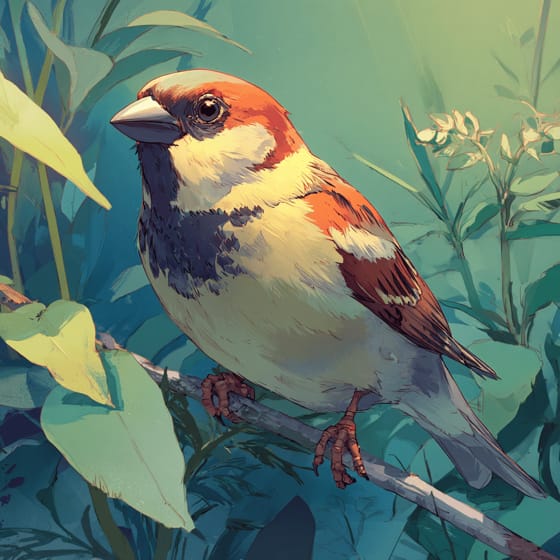
Passer domesticus
Common bird predator in its habitat.
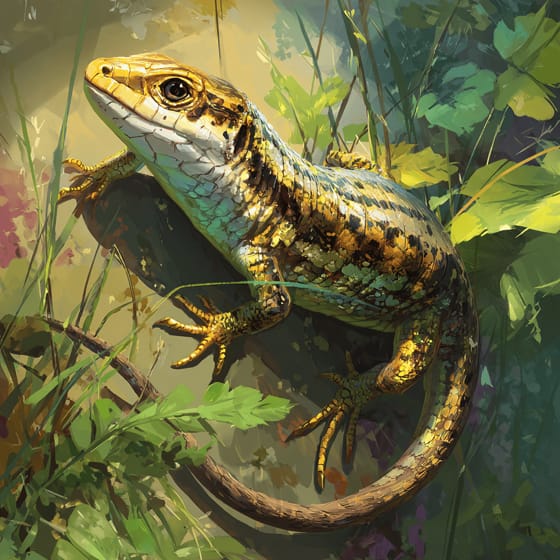
Podarcis muralis
Lizards often prey on these ground-dwelling insects.
Pieris brassicae
Preys on the soft-bodied larvae of butterflies.
Social animals live in organized groups, cooperating for survival benefits such as foraging, defense, and raising offspring.
Camouflaged describes organisms that possess coloring or patterns that allow them to blend into their environment.
Colorful describes organisms or objects displaying a wide range of bright and distinct colors.
This trait characterizes organisms whose diet consists entirely or primarily of plant material.

Describes plants that are particularly attractive and beneficial to a wide range of pollinating organisms.

Forest habitats are terrestrial environments dominated by dense tree cover, supporting a high diversity of plant and animal life.

Diurnal animals are primarily active during daylight hours, typically resting or sleeping at night.

This trait identifies organisms that exhibit exceptional swiftness in movement for hunting, escape, or travel.

Describes organisms that transfer pollen, enabling the fertilization and reproduction of plants.
No aliases listed yet.
Danger
1/5 · Very low
Be careful not to touch insects without asking an adult, as some can bite.
The easiest way to identify Steiroxys is to use the Snappit nature identifier app.
15-40 mm
60-120 days
Steiroxys are omnivores, munching on a mix of plants and smaller insects, making them adaptable eaters.
Forests
Foraging
6
Zoom in to split clusters and explore where this object has been snapped.
Recent snaps will appear here as new observations are added.
Take the discovery with you
Snap it with Snappit to identify it, learn what makes it special, and add the discovery to your collection.







.jpg&width=800)


