





Stenocranus minutus
Stenocranus minutus
The Stenocranus minutus is a small, lively insect often found hopping around in gardens and fields. It has a unique shape and loves to munch on grass and leaves.
Habitat: Grasslands
The Stenocranus minutus is a small, slender planthopper, typically straw-colored or pale brown. It often has subtle darker stripes running down its back. Its elongated head and prominent eyes help it stand out from other tiny grass-dwelling insects.
Category
InsectsRarity
Common
Danger
1/5 · Very low
Snaps
Be the first to snap!
Despite having wings, they are famous for their amazing jumps!
Its name 'planthopper' comes from its plant diet and jumping skill.
Some planthoppers produce a sugary liquid, attracting ants!
This tiny bug lays its eggs *inside* plant stems for safety.
Stenocranus minutus can launch itself high using powerful hind legs that help them escape danger quickly.
Stenocranus minutus has a straw-colored body that helps them blend perfectly with grass stems to hide.
Stenocranus minutus has a specialized straw-like mouthpart that helps them drink plant sap for food.
This tiny bug sips nutritious sap from grass and sedge plants using a special straw-like mouth.
Araneus diadematus
Spiders often capture these small insects in their webs.

Phragmites australis
Feeds on the sap of this plant for sustenance.
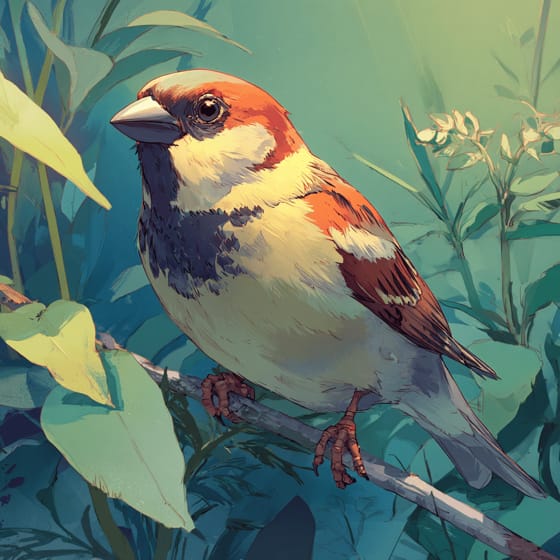
Passer domesticus
Small birds often snatch planthoppers from plant stems.
Colorful describes organisms or objects displaying a wide range of bright and distinct colors.
Grassland habitats are terrestrial biomes dominated by grasses and herbaceous plants, supporting a variety of grazing animals.
This trait characterizes organisms whose diet consists entirely or primarily of plant material.
Diurnal animals are primarily active during daylight hours, typically resting or sleeping at night.

Pertaining to species that are significantly smaller than typical or average for their kind.

This trait identifies organisms that exhibit exceptional swiftness in movement for hunting, escape, or travel.

Describes organisms that transfer pollen, enabling the fertilization and reproduction of plants.
No aliases listed yet.
Danger
1/5 · Very low
These insects are safe to observe, but it's best to leave them in their homes.
The easiest way to identify Stenocranus minutus is to use the Snappit nature identifier app.
6-8 mm
4-5 mm
60-120 days
This tiny bug sips nutritious sap from grass and sedge plants using a special straw-like mouth.
Grasslands
Foraging
6
Zoom in to split clusters and explore where this object has been snapped.
Recent snaps will appear here as new observations are added.
Take the discovery with you
Snap it with Snappit to identify it, learn what makes it special, and add the discovery to your collection.






.jpg&width=800)



