





Steppe Grasshopper
Chorthippus dorsatus
The Steppe Grasshopper is a small green insect that loves to hop around in grassy areas. They are great jumpers and can be found in fields and meadows, making them fun to watch!
Habitat: Grasslands
The Steppe Grasshopper is a medium-sized insect, typically green or brownish, perfectly camouflaged for grassy habitats. It often features a dark stripe along its pronotum and clear, functional wings that extend past its body. Its slender form and powerful hind legs differentiate it from slower-moving insects.
Category
InsectsRarity
Common
Danger
1/5 · Very low
Snaps
Be the first to snap!
Steppe Grasshoppers breathe through tiny holes along their sides, not through their mouth!
These grasshoppers have their 'ears' on their abdomen, not their head, to hear their world!
They lay their eggs underground in a protective foamy pod, safe from winter's chill!
When jumping, they use a special 'catch' mechanism to store energy like a spring!
Steppe Grasshopper can jump incredibly far because of its powerful hind legs that help them escape predators rapidly.
Steppe Grasshopper makes distinct chirping sounds by rubbing its legs and wings together, which helps them communicate.
Steppe Grasshopper has a variable body color, from green to brown, that helps them blend seamlessly into their surroundings.
This grasshopper is a plant-eater, munching on a variety of grasses and wildflowers.

Lanius collurio
A common meal for this predatory bird in open grasslands.
Araneus diadematus
Often caught in the webs of various common orb-weaver spiders.
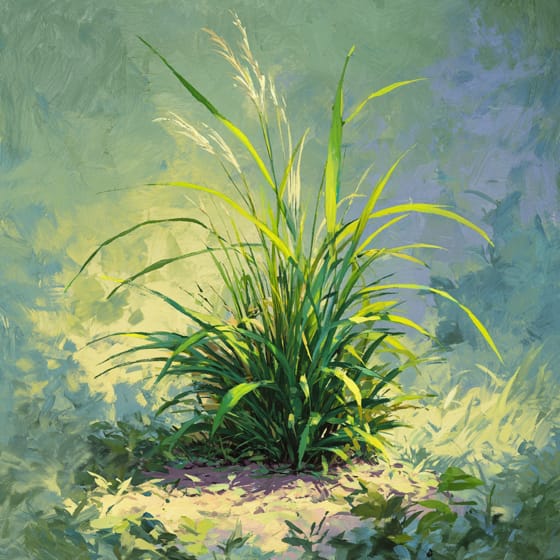
Poa pratensis
Relies on various grass species for food and shelter.

Trifolium repens
Feeds on a wide variety of meadow plants and wildflowers.
Solitary animals live alone for most of their lives, only interacting with others for mating or parental care.
Singing animals produce complex vocalizations, often for purposes of attracting mates, defending territory, or communicating within their species.
Camouflaged describes organisms that possess coloring or patterns that allow them to blend into their environment.
Grassland habitats are terrestrial biomes dominated by grasses and herbaceous plants, supporting a variety of grazing animals.

This trait characterizes organisms whose diet consists entirely or primarily of plant material.

Diurnal animals are primarily active during daylight hours, typically resting or sleeping at night.

This trait identifies organisms that exhibit exceptional swiftness in movement for hunting, escape, or travel.
No aliases listed yet.
Danger
1/5 · Very low
Grasshoppers are safe to watch, but be gentle if you try to catch one.
The easiest way to identify Steppe Grasshopper is to use the Snappit nature identifier app.
13-23 mm
60-90 days
This grasshopper is a plant-eater, munching on a variety of grasses and wildflowers.
Grasslands
Grazing
6
Zoom in to split clusters and explore where this object has been snapped.
Recent snaps will appear here as new observations are added.
Take the discovery with you
Snap it with Snappit to identify it, learn what makes it special, and add the discovery to your collection.






.jpg&width=800)




