





sticky geranium
Geranium viscosissimum
Sticky geranium is a pretty plant with soft, sticky leaves. It grows in many places and has lovely pink flowers that attract butterflies and bees!
Habitat: Grasslands
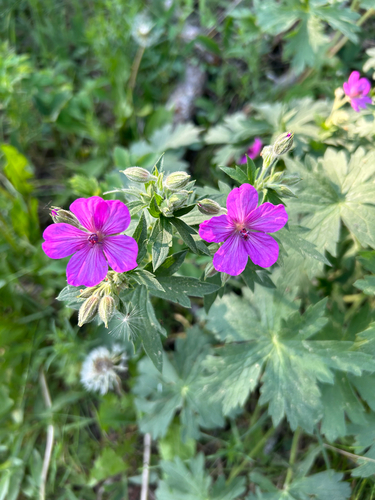
The sticky geranium has deeply lobed, palm-shaped leaves covered in tiny glandular hairs, giving them a fuzzy, sticky feel. Its vibrant magenta to purple-pink flowers bloom in clusters, often with darker veins, standing out against the green foliage.
Category
PlantsRarity
Common
Danger
1/5 · Very low
Snaps
10
Its leaves can feel like flypaper, often catching tiny bugs!
The 'sticky' in its name means 'most sticky' in Latin!
This wild geranium is a native beauty of western North America!
When its seeds ripen, the plant violently flings them into the air!
Sticky geranium has tiny, gummy hairs on its stems and leaves that can trap small insects, helping protect itself from pests!
When its seeds are ripe, the sticky geranium powerfully snaps them out, spreading its offspring far away to find new homes.
This plant can thrive in both bright sun and partial shade, thanks to its adaptable leaves and root system.
Bombus bifarius
visits flowers for nectar
Bombus mixtus
collects pollen and nectar

Syrphus ribesii
visits flowers for nectar
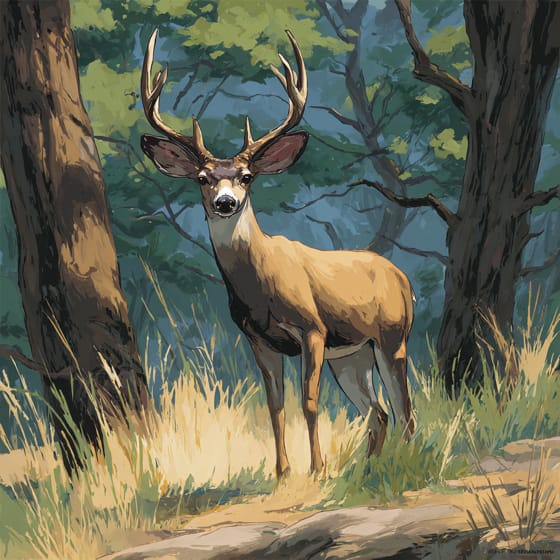
Odocoileus hemionus
may browse leaves occasionally
Deciduous plants periodically shed all their leaves, typically during autumn or dry seasons.
Flowering plants are any plants that produce flowers as part of their reproductive cycle.
Shade tolerant plants are adapted to grow and thrive in areas with low light levels, requiring less direct sunlight.
Medicinal plants possess chemical compounds that can be used for therapeutic purposes to treat illnesses or maintain health.

Colorful describes organisms or objects displaying a wide range of bright and distinct colors.

Grassland habitats are terrestrial biomes dominated by grasses and herbaceous plants, supporting a variety of grazing animals.

Describes plants that are particularly attractive and beneficial to a wide range of pollinating organisms.
No aliases listed yet.
Danger
1/5 · Very low
Always wash your hands after touching plants, just to be safe!
The easiest way to identify sticky geranium is to use the Snappit nature identifier app.
30-90 cm
30-60 cm
2-3 cm
Late spring to late summer
No
None
Perennial
Zoom in to split clusters and explore where this object has been snapped.
Jun 9, 2025
St. Mary Utility Area Historic DistrictPhoto attribution
(c) lyralevin, some rights reserved (CC BY-SA)
License: CC BY-SA 4.0 ↗
Image may be shown cropped inside the card frame.

Wyoming, US
You might spot Elk, American White Pelican, and Arrowleaf Balsamroot.
View guide →

Wyoming, US
You might spot Moose, Uinta Ground Squirrel, and American Bison.
View guide →

Wyoming, US
You might spot Moose, Arrowleaf Balsamroot, and Black Bear.
View guide →

Wyoming, US
You might spot Creeping Mahonia, Utah Honeysuckle, and Woodland Pinedrops.
View guide →

Wyoming, US
You might spot Moose, Uinta Ground Squirrel, and American Bison.
View guide →

Montana, US
You might spot Black Bear, Moose, and Lodgepole Pine.
View guide →
Take the discovery with you
Snap it with Snappit to identify it, learn what makes it special, and add the discovery to your collection.







.jpg&width=800)



_001.jpg&width=800)



