





Anacua
Ehretia anacua
The Anacua tree is a lovely tree that can grow tall and wide. It has shiny green leaves and beautiful white flowers that attract butterflies and bees, making it a great friend to nature.
Habitat: Urban areas
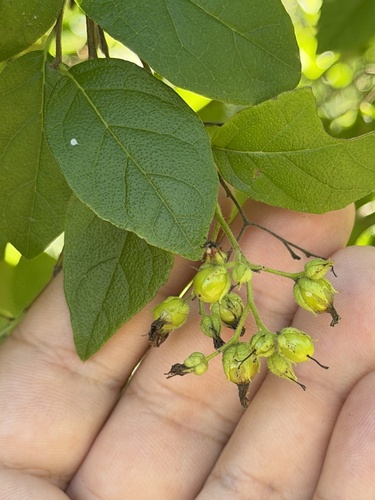
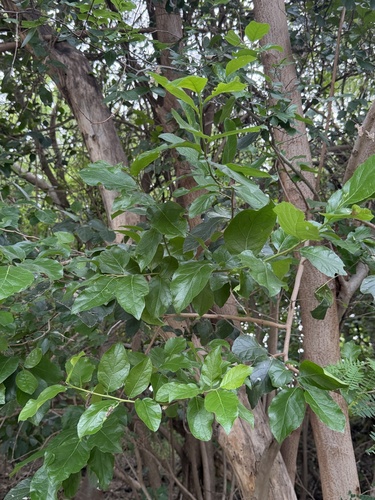
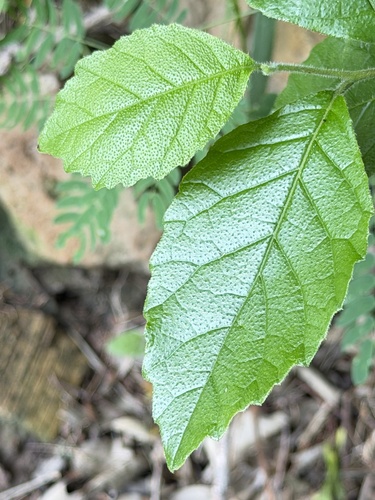
The Anacua is a medium-sized tree with a rugged, often multi-trunked form and rough, sandpaper-like dark green leaves. It produces clusters of small, white, five-petaled flowers, followed by abundant, tiny, translucent orange-yellow berries.
Category
PlantsRarity
Common
Danger
1/5 · Very low
Snaps
6
Its leaves feel like rough sandpaper, which is a super unique texture for a tree!
Many people call it the 'Knockaway tree' – a fun, bouncy nickname for this tough plant!
Pioneers used Anacua wood for fence posts because it's incredibly strong and rot-resistant.
The sweet little orange berries are edible and taste a bit like a date or a fig.
Anacua has deep roots and tough leaves that help it survive long periods without much water in dry environments.
Anacua produces numerous small, sweet berries that provide a vital food source for many birds and small mammals.
Anacua's very rough leaves deter some hungry animals from munching on them, keeping the tree safe.
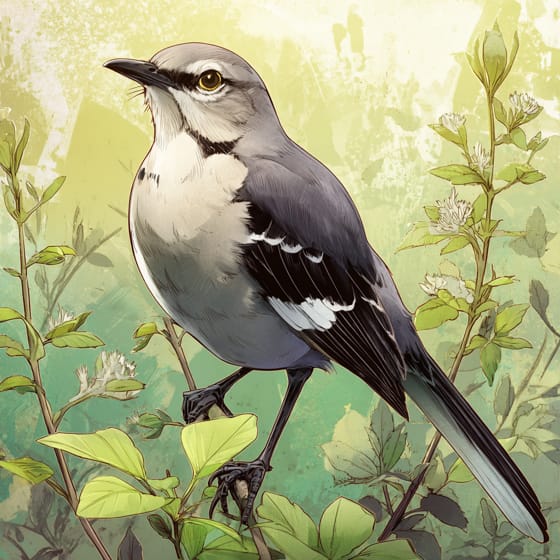
Mimus polyglottos
feasts on its sweet berries
Apis mellifera
visits flowers for nectar and pollen
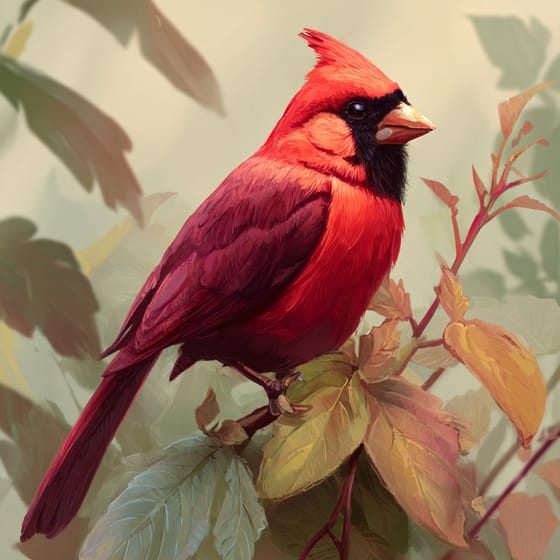
Cardinalis cardinalis
builds nests and rests in its branches
Deciduous plants periodically shed all their leaves, typically during autumn or dry seasons.
Flowering plants are any plants that produce flowers as part of their reproductive cycle.
Shade tolerant plants are adapted to grow and thrive in areas with low light levels, requiring less direct sunlight.
Broadleaf trees are angiosperms characterized by flat, wide leaves that are typically shed annually in temperate climates.

Fragrant flowers emit a pleasant aroma, often to attract pollinators or for defense.

Describes plants that are particularly attractive and beneficial to a wide range of pollinating organisms.

This trait characterizes organisms with an exceptionally long lifespan compared to others of their kind.

This habitat trait indicates species that can coexist with humans in urban and suburban environments, utilizing man-made structures and green spaces.
No aliases listed yet.
Danger
1/5 · Very low
Be careful not to climb too high in trees, and always ask an adult for help.
The easiest way to identify Anacua is to use the Snappit nature identifier app.
600-1200 cm
500-1000 cm
0.5-1 cm
Spring to Fall
Yes
None
Perennial
Zoom in to split clusters and explore where this object has been snapped.
May 23, 2026
Fort McIntoshPhoto attribution
(c) Ian McFaul, some rights reserved (CC BY)
License: CC BY 4.0 ↗
Image may be shown cropped inside the card frame.
May 23, 2026
Fort McIntoshPhoto attribution
(c) Ian McFaul, some rights reserved (CC BY)
License: CC BY 4.0 ↗
Image may be shown cropped inside the card frame.
May 23, 2026
Fort McIntoshPhoto attribution
(c) Ian McFaul, some rights reserved (CC BY)
License: CC BY 4.0 ↗
Image may be shown cropped inside the card frame.

US
You might spot Pond Slider, Black-Bellied Whistling-Duck, and Brown Anole.
View guide →

Texas, US
You might spot Eastern Fox Squirrel, Duck, and American Robin.
View guide →

US
You might spot Great Kiskadee, Rock Pigeon, and Mexican Palo Verde.
View guide →

Texas, US
You might spot Eastern Fox Squirrel, American Robin, and Duck.
View guide →

Texas, US
You might spot Yellow-Crowned Night Heron, Duck, and Wood Duck.
View guide →
Texas, US
You might spot Duck, Great-Tailed Grackle, and Egyptian Goose.
View guide →
Take the discovery with you
Snap it with Snappit to identify it, learn what makes it special, and add the discovery to your collection.







.jpg&width=800)

_001.jpg&width=800)


