





Moose

Experience a unique journey into Wyoming's homesteading past at the Andy Chambers Ranch Historic District.
Experience a unique journey into Wyoming's homesteading past at the Andy Chambers Ranch Historic District. This remarkably preserved ranch, nestled within Grand Teton National Park as part of the iconic Mormon Row, offers an unparalleled glimpse into the resilience of early 20th-century pioneers who carved a life out of the rugged Jackson Hole landscape. Recognized on the National Register of Historic Places, it stands as the most complete farmstead remaining from the original Mormon settlement.
Visitors can wander among the original log cabin residence, a classic log barn, and an array of functional outbuildings including a granary, chicken coop, machine shed, outhouse, and even an old windmill. Each structure tells a story of self-sufficiency and perseverance, reflecting the architectural craftsmanship and daily lives of the Chambers family. The surrounding environment, characterized by sagebrush flats and hayfields, provides a powerful sense of the challenges and triumphs faced by these early settlers.
The Andy Chambers Ranch offers a profound connection to the past, set against the breathtaking, ever-present backdrop of the majestic Teton Range. It's a photographer's dream, an educational excursion for families, and a peaceful retreat for history buffs and nature lovers alike. Observing the historic buildings framed by the towering mountains, and perhaps spotting local wildlife like bison or elk in the adjacent fields, makes for a truly memorable and inspiring visit. Unlock an interactive field guide for this spot: get the Snappit app to identify nature on the go.
The Andy Chambers Ranch Historic District traces its origins to 1912 when Andy Chambers claimed his land as part of the Mormon Row settlement in Jackson Hole. Mormon migrants established this community between 1900 and 1920, creating a distinctive linear village near the Gros Ventre River. Chambers secured the title to his 160-acre homestead in 1916 after building a log cabin and stable. The main ranch house was constructed in 1917 with the help of his brother, Jim, just before his marriage to Ida Kneedy, the local schoolteacher. The Chambers family faced immense hardships, including dry farming oats and wheat until 1927, when they and other homesteaders painstakingly dug an irrigation ditch from the Kelly Warm Springs, enabling them to switch to raising cattle and hay. Ida Chambers also played a crucial role, serving as the local postmaster for several years. After decades of working the land, the ranch was eventually sold to the National Park Service in 1956, with occupancy ending around 1980. The property gained recognition on the National Register of Historic Places in 1990 and was later incorporated into the broader Mormon Row Historic District in 1997, preserving its legacy for future generations.
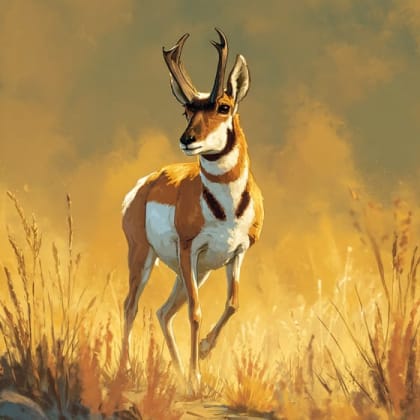
Walk around the various historic buildings, imagining life on a working ranch in the early 20th century. Utilize the unique photographic opportunities, especially with the Tetons as a backdrop. Keep an eye out for wildlife such as bison, elk, and pronghorn in the surrounding fields and sagebrush flats.
Spring: Witness the emergence of wildflowers and observe newborn wildlife in the surrounding plains.
Summer: Enjoy warm, long days, though it can be busier. The landscape is lush and green.
Fall: Experience vibrant fall foliage in the trees, cooler temperatures, and increased wildlife activity as animals prepare for winter.
Winter: The area transforms into a snowy wonderland. While peaceful, some roads (like parts of Antelope Flats Road) may close, potentially limiting direct vehicle access depending on snow accumulation. Dress warmly if visiting in winter.
The site is generally accessible by vehicle via paved and dirt roads. Exploring the farmstead involves walking on uneven dirt paths and around historical structures. While not fully paved or designated accessible, many visitors can navigate the grounds with caution.
The rustic Andy Chambers Log Cabin, the historic Barn, the iconic windmill, and the comprehensive collection of outbuildings that form a complete pioneer farmstead. The panoramic views of the Teton Range from this vantage point are also a major draw.
Each card links to a full Explore page with photos, traits, and fun facts.
Start with the big picture, then zoom in to explore individual wildlife observations around this place.
Arrive Early or Late
For the best lighting for photography and to potentially avoid crowds, visit during sunrise or sunset. The Teton Range is particularly stunning at these times.
Bring Binoculars
While wildlife can often be seen from a distance, binoculars will enhance your viewing experience of bison, elk, and pronghorn in the surrounding fields.
Wear Appropriate Footwear
The paths around the homestead are unpaved and can be uneven or muddy, so comfortable walking shoes are recommended.
Practice Leave No Trace
Help preserve this historic site and its natural beauty by staying on designated paths, not disturbing wildlife, and packing out all trash.
Combine with Other Mormon Row Sites
The Andy Chambers Ranch is just one of several historic farmsteads on Mormon Row; consider visiting the iconic Moulton Barns nearby to complete your historical tour.
Check Road Conditions
Especially during spring and fall, Antelope Flats Road (the primary access) can be temporarily closed due to weather or wildlife management. Check the Grand Teton National Park website before your visit.
Jun 5, 2026
Jun 2, 2026
Jun 1, 2026
Jun 1, 2026
May 31, 2026

Maryland, US
You might spot White-Tailed Deer and Eastern Gray Squirrel.
View guide →
.jpg)
District of Columbia, US
You might spot Eastern Gray Squirrel, Duck, and House Sparrow.
View guide →

Illinois, US
You might spot American Robin, Canada Goose, and House Sparrow.
View guide →

Virginia, US
You might spot Spotted Lanternfly and Northern Cardinal.
View guide →
Take the discovery with you
Identify the wildlife you spot, learn as you go, and keep a collection of the adventure.





.jpg&width=800)












