.jpg&width=800)





stiff-leaved goldenrod
Solidago rigida
Stiff-leaved goldenrod is a bright yellow flower that grows tall and strong. It blooms in late summer and is loved by butterflies and bees for its sweet nectar.
Habitat: Grasslands
The stiff-leaved goldenrod is a tall, upright plant featuring rough, oval-shaped leaves that are notably rigid. Its vibrant yellow flowers bloom in distinctive flat-topped clusters, making it visually stand out from other goldenrod species which often have plume-like arrangements.
Category
PlantsRarity
Common
Danger
1/5 · Very low
Snaps
4
Its scientific name, Solidago rigida, refers to its rigid leaves and means "to make whole."
Many people mistakenly blame goldenrod for hay fever, but ragweed, blooming at the same time, is the real culprit!
Native American tribes traditionally used stiff-leaved goldenrod for various medicinal purposes, like teas and poultices.
This goldenrod is a crucial late-season food source for migrating monarch butterflies and other pollinators before winter.
Stiff-leaved goldenrod has a deep taproot that helps it find water far underground, allowing it to survive in dry, sunny environments.
Its unique flat-topped flower clusters provide a wide, stable surface, making it easier for many different insects to land and collect nectar.
Stiff-leaved goldenrod has noticeably rigid, rough leaves which reduce water loss and can deter some hungry herbivores.
Apis mellifera
Collects nectar and pollen for hive.
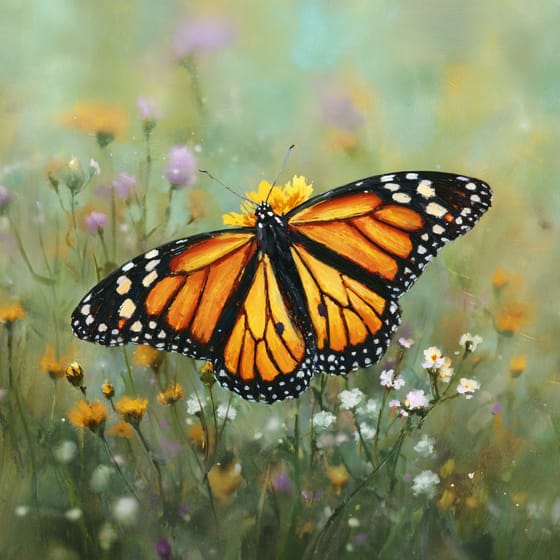
Danaus plexippus
Feeds on nectar during migration.

Bombus impatiens
Important generalist pollinator.
Trirhabda borealis
Larvae and adults feed on leaves.
Deciduous plants periodically shed all their leaves, typically during autumn or dry seasons.
Flowering plants are any plants that produce flowers as part of their reproductive cycle.
Summer blooming plants produce their flowers during the summer season, often providing vibrant color when many other plants have finished.
Medicinal plants possess chemical compounds that can be used for therapeutic purposes to treat illnesses or maintain health.

Drought-tolerant plants can survive and flourish in conditions with limited water availability.

Edible plants are those parts of a plant that are considered safe for human consumption.

Grassland habitats are terrestrial biomes dominated by grasses and herbaceous plants, supporting a variety of grazing animals.

Describes plants that are particularly attractive and beneficial to a wide range of pollinating organisms.

Rapid growing plants exhibit accelerated growth rates, quickly increasing in size and biomass within a short period.
No aliases listed yet.
Danger
1/5 · Very low
Always look but don't touch flowers without asking an adult first.
The easiest way to identify stiff-leaved goldenrod is to use the Snappit nature identifier app.
60-150 cm
30-60 cm
0.6-1 cm
Late summer to fall (August-October)
Yes
None
Perennial
Zoom in to split clusters and explore where this object has been snapped.
May 24, 2026
Cherry County CourthousePhoto attribution
(c) Tom Norton, some rights reserved (CC BY)
License: CC BY 4.0 ↗
Image may be shown cropped inside the card frame.

Nebraska, US
You might spot Canada Goose, Blue Dasher, and Eastern Pondhawk.
View guide →

Ohio, US
You might spot Royal Catchfly and Black-and-Gold Bumble Bee.
View guide →

Illinois, US
You might spot Butterfly Milkweed and Prairie Blazing Star.
View guide →

Illinois, US
You might spot Virginia Bluebells and Wavy-Lined Emerald.
View guide →
Michigan, US
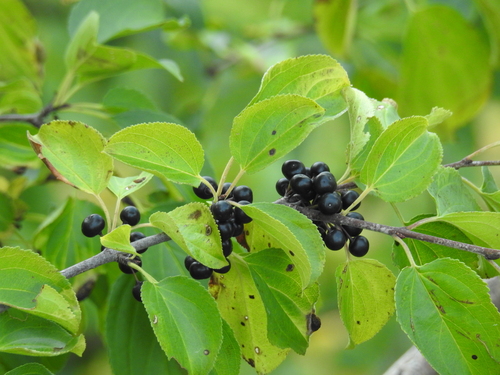
You might spot Common Buckthorn, False Indigo Bush, and Honey Locusts.
View guide →
Take the discovery with you
Snap it with Snappit to identify it, learn what makes it special, and add the discovery to your collection.







.jpg&width=800)



_001.jpg&width=800)



