





Stone Marten
Martes foina
The Stone Marten is a small, furry animal that loves to climb trees and explore. With its sleek body and bushy tail, it is very agile and can often be found in forests and urban areas.
Habitat: Forests and Urban areas
The Stone Marten has a slender body with brownish-grey fur and a distinctive white or creamy-white 'bib' that often extends to its front legs. Unlike the Pine Marten, this bib is typically solid and not yellowish, contrasting with its pinkish nose and small, rounded ears.
Category
MammalsRarity
Common
Danger
2/5 · Low
Snaps
1
Stone Martens can leave behind footprints that look like tiny human hands!
Their unique white chest patch is like a special fingerprint for each marten!
These clever animals can hide food for later by burying it like a treasure!
They sometimes chew on car engine cables, causing mysterious breakdowns!
Stone Marten has very strong jaws and teeth that help them break hard shells or even car cables.
Stone Marten moves silently through the night, allowing them to sneak up on small prey and catch them by surprise.
These clever hunters eat almost anything, from juicy fruits to tasty rodents and eggs!

Microtus arvalis
A common prey item in fields and meadows.
Apodemus sylvaticus
Frequently caught in woodland and urban fringe habitats.
Turdus merula
Preys on eggs and young from nests in gardens.
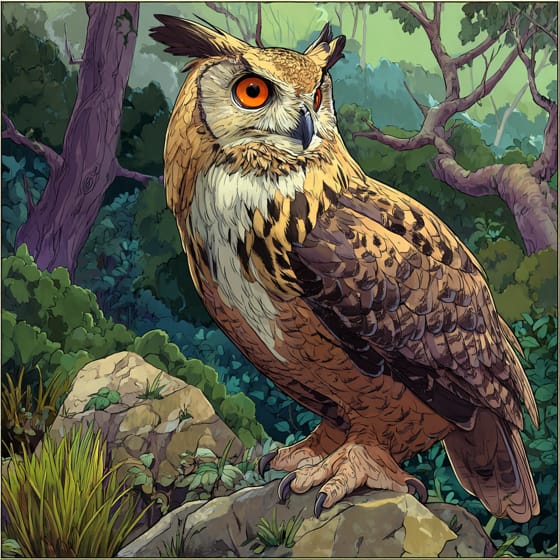
Bubo bubo
A top nocturnal predator that can hunt martens.
Prunus avium
Enjoys the ripe fruits of this tree in summer.
Furry describes animals possessing a dense covering of soft hair or fur.
Solitary animals live alone for most of their lives, only interacting with others for mating or parental care.
Arboreal animals live primarily in trees, utilizing them for shelter, food, and protection from predators.
Forest habitats are terrestrial environments dominated by dense tree cover, supporting a high diversity of plant and animal life.

This trait identifies organisms whose diet consists entirely or primarily of animal tissue.

This trait identifies organisms that exhibit exceptional swiftness in movement for hunting, escape, or travel.

This habitat trait indicates species that can coexist with humans in urban and suburban environments, utilizing man-made structures and green spaces.
No aliases listed yet.
Danger
2/5 · Low
If you see a Stone Marten, watch quietly from a distance and don't try to touch it.
The easiest way to identify Stone Marten is to use the Snappit nature identifier app.
60-80 cm
1.1-2.3 kg
3-10 years
30 km/h
These clever hunters eat almost anything, from juicy fruits to tasty rodents and eggs!
Forests and Urban areas
Foraging
Zoom in to split clusters and explore where this object has been snapped.
Jun 6, 2026
Take the discovery with you
Snap it with Snappit to identify it, learn what makes it special, and add the discovery to your collection.




.jpg&width=800)


.JPG&width=800)



.jpg&width=800)
