





Straw Underwing
Thalpophila matura
The Straw Underwing is a special moth with beautiful brown and yellow wings. It likes to fly around at night and can often be found near fields and gardens.
Habitat: Fields and gardens
The Straw Underwing has dull yellowish-brown forewings that help it camouflage against bark. When disturbed, it reveals bright straw-yellow hindwings, each marked with a distinct dark band. This striking contrast helps surprise predators.
Category
InsectsRarity
Common
Danger
1/5 · Very low
Snaps
Be the first to snap!
Did you know moths help pollinate flowers too, just like busy bees do?
Some moths have taste buds on their feet to find yummy plants for their babies!
Straw Underwings are nocturnal, meaning they are most active when the sun goes down!
Their fuzzy bodies help keep them warm on cool nights, like wearing a tiny coat!
Straw Underwing can startle predators by suddenly flashing its bright yellow hindwings, giving it a split second to fly away.
Straw Underwing has special eyes that help it see and fly safely in the dark, finding flowers even on moonless nights.
Straw Underwing can use its antennae to 'smell' tiny amounts of pheromones, helping it find a mate from far away.
Adult Straw Underwings sip sweet nectar, while their caterpillars munch on yummy grasses.
Age differences: Caterpillars eat grasses; adults drink nectar from flowers.
Myotis myotis
Hunts moths using echolocation at night.
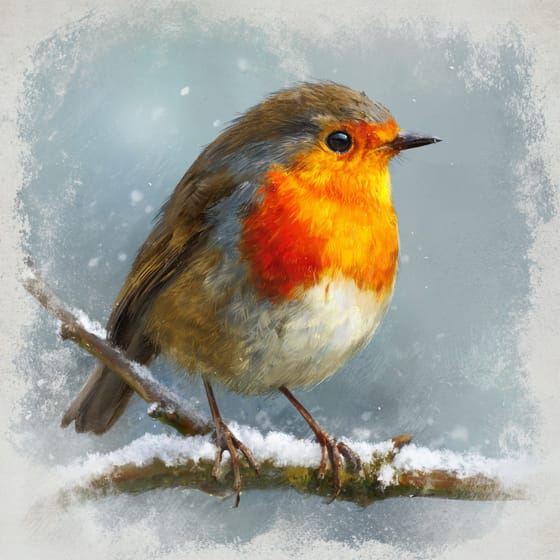
Erithacus rubecula
Feeds on moths and caterpillars during the day.

Buddleja davidii
Visits flowers to drink nectar, spreading pollen.
Poa annua
Caterpillars feed on the leaves of this common grass.
Rana temporaria
Ambushes adult moths near ponds and damp areas.
Solitary animals live alone for most of their lives, only interacting with others for mating or parental care.
Camouflaged describes organisms that possess coloring or patterns that allow them to blend into their environment.
Colorful describes organisms or objects displaying a wide range of bright and distinct colors.
Grassland habitats are terrestrial biomes dominated by grasses and herbaceous plants, supporting a variety of grazing animals.

This trait characterizes organisms whose diet consists entirely or primarily of plant material.

Describes plants that are particularly attractive and beneficial to a wide range of pollinating organisms.

This habitat trait indicates species that can coexist with humans in urban and suburban environments, utilizing man-made structures and green spaces.

Nocturnal animals are primarily active during the nighttime hours, typically resting or sleeping during the day.

Describes organisms that transfer pollen, enabling the fertilization and reproduction of plants.
No aliases listed yet.
Danger
1/5 · Very low
Moths are gentle creatures, but it's best to watch them from a distance.
The easiest way to identify Straw Underwing is to use the Snappit nature identifier app.
35-40 mm
15-18 mm
14-28 days
8-12 km/h
Adult Straw Underwings sip sweet nectar, while their caterpillars munch on yummy grasses.
Fields and gardens
Foraging
Zoom in to split clusters and explore where this object has been snapped.
Recent snaps will appear here as new observations are added.
Take the discovery with you
Snap it with Snappit to identify it, learn what makes it special, and add the discovery to your collection.







.jpg&width=800)



