





sulfur buckwheat
Eriogonum umbellatum
Sulfur buckwheat is a bright yellow flower that grows in rocky places. It loves sunny spots and can be found in dry areas, making it a special plant in nature.
Habitat: Mountain regions
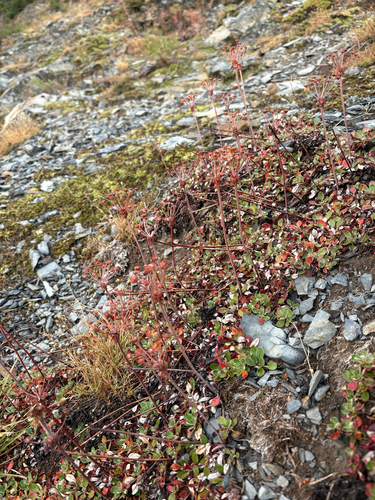
The sulfur buckwheat is a low-growing, mat-forming perennial with clusters of vibrant sulfur-yellow flowers. Its leaves are typically green on top and fuzzy white underneath, often creating a striking two-toned appearance. Flower clusters gradually deepen to an orange or reddish hue as they age.
Category
PlantsRarity
Common
Danger
1/5 · Very low
Snaps
18
Native peoples once ground its tiny seeds into flour for food!
This tough plant can grow even high up on mountains where few others survive!
Though called buckwheat, it's a wild cousin, not the kind used for pancakes!
Wow, its bright yellow flowers sometimes turn fiery orange or red with age!
Sulfur buckwheat can thrive in extremely dry conditions thanks to its deep taproot system, reaching water deep underground.
Sulfur buckwheat has flowers that can change from bright yellow to orange or reddish as they mature, adding a splash of color.
Sulfur buckwheat has an extensive root system that helps it stabilize loose soil on slopes, preventing erosion.
Apis mellifera
visits flowers for nectar and pollen
Bombus melanopygus
collects nectar and pollen from its abundant flowers
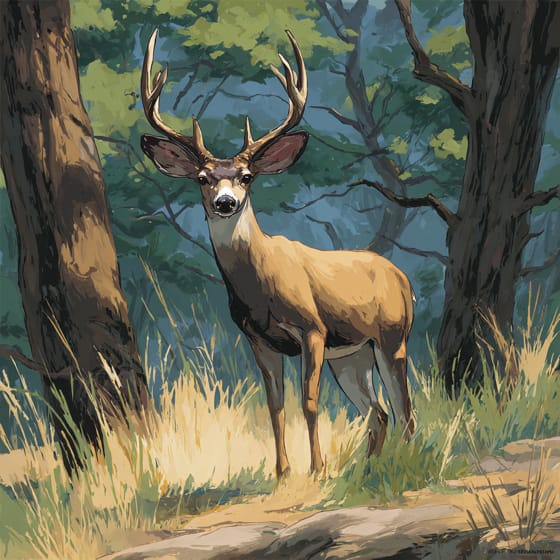
Odocoileus hemionus
browses on its leaves and stems in dry habitats
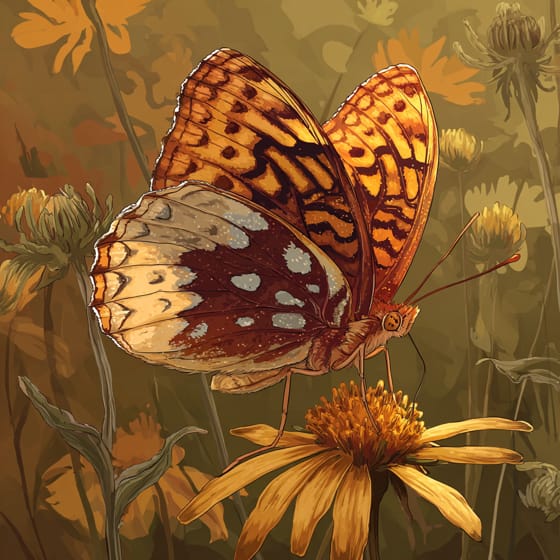
Speyeria cybele
sips nectar from its yellow blossoms
Flowering plants are any plants that produce flowers as part of their reproductive cycle.
Cluster flowers are inflorescences where individual flowers are arranged closely together on a common stem.
Summer blooming plants produce their flowers during the summer season, often providing vibrant color when many other plants have finished.
Drought-tolerant plants can survive and flourish in conditions with limited water availability.

Colorful describes organisms or objects displaying a wide range of bright and distinct colors.

Describes plants that are particularly attractive and beneficial to a wide range of pollinating organisms.

This habitat trait identifies species found in mountainous regions, characterized by high elevation, steep slopes, and varying climate zones.
No aliases listed yet.
Danger
1/5 · Very low
Always look but don't touch wild plants, as some can be prickly or not safe.
The easiest way to identify sulfur buckwheat is to use the Snappit nature identifier app.
10-40 cm
30-90 cm
0.2-0.5 cm
Late spring to fall
Yes
None
Perennial
Zoom in to split clusters and explore where this object has been snapped.
Sep 27, 2025
Pasayten WildernessPhoto attribution
(c) Lindsey Salmonson, some rights reserved (CC BY)
License: CC BY 4.0 ↗
Image may be shown cropped inside the card frame.

Colorado, US
You might spot Common Starlily and Wholeleaf Paintbrush.
View guide →

Wyoming, US
You might spot Elk, American White Pelican, and Arrowleaf Balsamroot.
View guide →
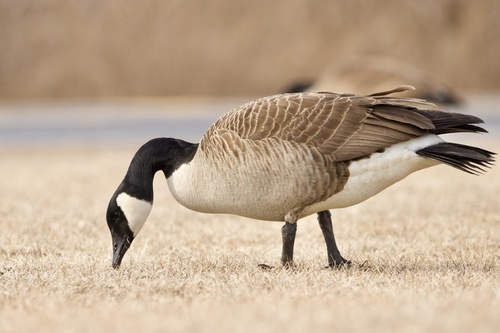
Nevada, US
You might spot Canada Goose, Antelope Bitterbrush, and Steller's Jay.
View guide →

California, US
You might spot Greasewood, Osprey, and Alkali Fly.
View guide →

Wyoming, US
You might spot Moose, Uinta Ground Squirrel, and American Bison.
View guide →

Wyoming, US
You might spot Moose, Arrowleaf Balsamroot, and Black Bear.
View guide →
Take the discovery with you
Snap it with Snappit to identify it, learn what makes it special, and add the discovery to your collection.







.jpg&width=800)



_001.jpg&width=800)




