





Sumac
Ginglymodesmus sumac
Sumac is a shrub with bright red leaves in the fall. It grows in fields and along roadsides, adding color to the landscape.
Habitat: Fields, Roadsides
The Sumac is a shrub or small tree, easily recognized by its vibrant green, compound leaves that transform into spectacular shades of fiery red, orange, or purple in autumn. It typically bears upright clusters of fuzzy red or maroon berries.
Category
PlantsRarity
Common
Danger
2/5 · Low
Snaps
Be the first to snap!
Its bright red berry clusters often stay on the plant through winter!
Sumac is a super tough plant that can grow in really dry, poor soils.
The word 'Sumac' comes from an ancient Aramaic word that means 'red'!
You can make a tangy, lemonade-like drink from its fuzzy red berries!
Sumac has fuzzy red berries containing malic acid, which helps it attract animals to disperse its seeds after eating them.
Sumac leaves create dazzling autumn colors, helping them capture sunlight efficiently before shedding for winter to conserve energy.
Sumac can spread by underground stems called rhizomes, which helps it form dense thickets and colonize new areas quickly.
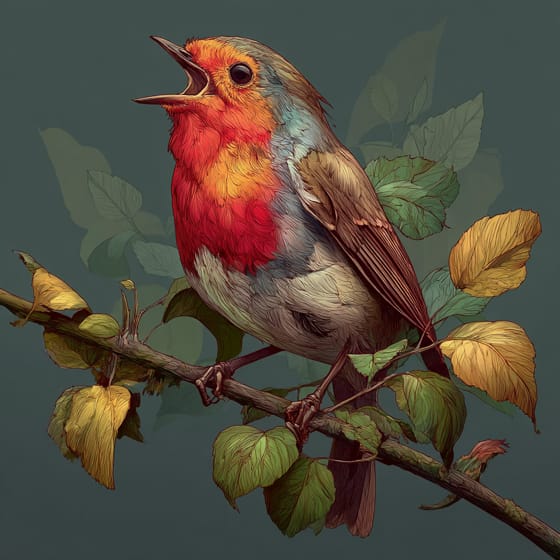
Turdus migratorius
Feeds on sumac berries in winter.
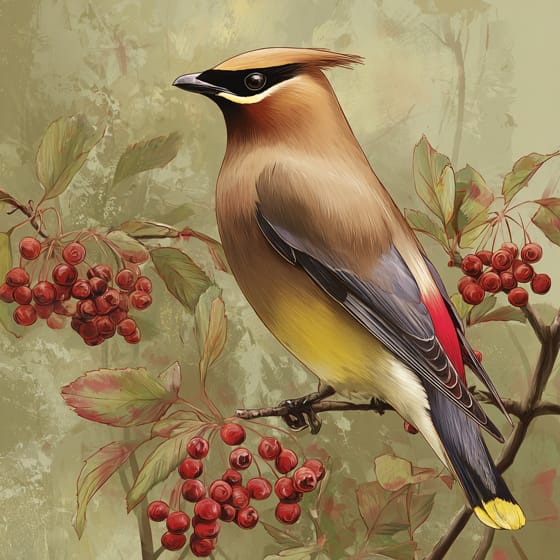
Bombycilla cedrorum
Consumes sumac berries as a food source.
Apis mellifera
Collects nectar and pollen from sumac flowers.
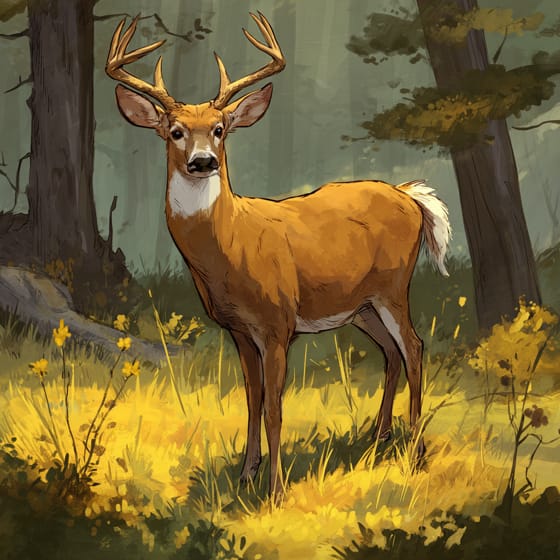
Odocoileus virginianus
Browses on sumac leaves and twigs.
Aromatic plants produce and emit fragrant volatile organic compounds, often for defense or to attract pollinators.
Deciduous plants periodically shed all their leaves, typically during autumn or dry seasons.
A shrub is a woody plant smaller than a tree, typically with multiple stems branching from or near the ground.
Medicinal plants possess chemical compounds that can be used for therapeutic purposes to treat illnesses or maintain health.

Fall color refers to the seasonal change in foliage pigmentation, primarily in deciduous plants, displaying vibrant hues.

Describes plants that are particularly attractive and beneficial to a wide range of pollinating organisms.
Danger
2/5 · Low
Enjoy looking at sumac, but avoid touching it as some species may cause skin irritation.
The easiest way to identify Sumac is to use the Snappit nature identifier app.
100-600 cm
100-500 cm
0.2-0.5 cm
Summer
Yes
None
Perennial
Zoom in to split clusters and explore where this object has been snapped.
Recent snaps will appear here as new observations are added.
Take the discovery with you
Snap it with Snappit to identify it, learn what makes it special, and add the discovery to your collection.








.jpg&width=800)



_001.jpg&width=800)




