.jpg&width=800)





Summer Grape
vitis aestivalis
Summer Grapes are sweet and juicy fruits that grow on vines. They are perfect for making yummy snacks and are often enjoyed in the summer sun!
Habitat: Summer Grapes thrive in warm, sunny areas, often found in gardens and vineyards.
The Summer Grape is a vigorous woody vine with large, deeply lobed leaves that often have fuzzy undersides, sometimes with a reddish hue. Its inconspicuous green flowers mature into clusters of dark purple to black berries, typically covered in a powdery white bloom, making them distinct from other wild grapes.
Category
PlantsRarity
Common
Danger
1/5 · Very low
Snaps
2
Early American settlers often used these wild grapes for food and natural dyes!
Its juice can be used to make tasty jelly and even a unique wild wine!
Some Summer Grape vines can live for over 100 years, growing incredibly thick!
The fuzzy undersides of its leaves protect it from too much sun and hungry bugs!
Summer Grape can use strong, coiling tendrils to grasp onto trees and structures, helping it climb high to reach vital sunlight.
Summer Grape has thick, deeply rooted vines that help it tolerate various soil types and survive periods of drought in its habitats.
Summer Grape produces abundant clusters of tart berries, which attract many animals to eat them and spread its seeds widely.
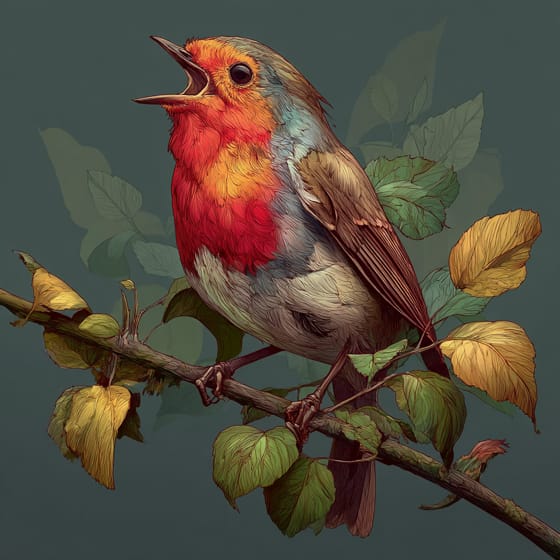
Turdus migratorius
Eats ripe fruit, helping to disperse seeds.
Ursus americanus
Feeds on abundant grape clusters in late summer.
Apis mellifera
Visits small flowers for nectar and pollen.
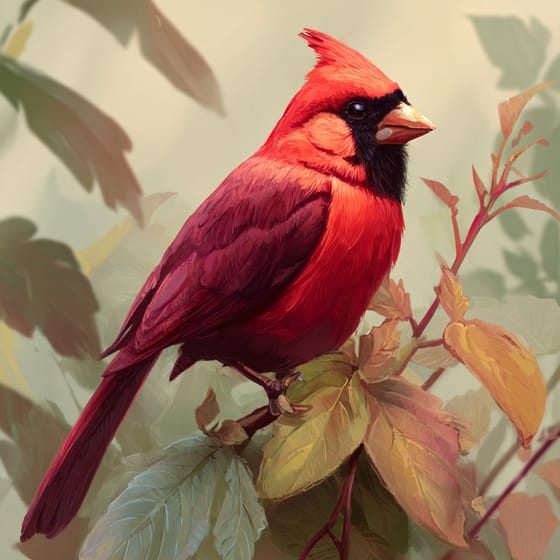
Cardinalis cardinalis
Nests and hides within its dense vine growth.
Arboreal animals live primarily in trees, utilizing them for shelter, food, and protection from predators.
Colorful describes organisms or objects displaying a wide range of bright and distinct colors.
This trait characterizes organisms whose diet consists entirely or primarily of plant material.
Forest habitats are terrestrial environments dominated by dense tree cover, supporting a high diversity of plant and animal life.

Diurnal animals are primarily active during daylight hours, typically resting or sleeping at night.
Danger
1/5 · Very low
No special safety notes yet.
The easiest way to identify Summer Grape is to use the Snappit nature identifier app.
300-2000 cm
100-1000 cm
0.2-0.4 cm
Late Spring - Early Summer
Yes
None
Perennial
Zoom in to split clusters and explore where this object has been snapped.

New York, US
You might spot Eastern Gray Squirrel, Common Mugwort, and American Robin.
View guide →

Florida, US
You might spot West Indian Manatee, River Cooter, and Golden Silk Spider.
View guide →
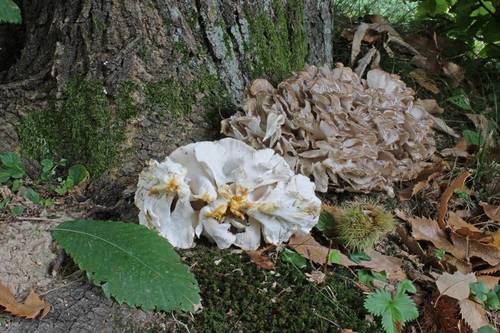
Virginia, US
You might spot Hen Of The Woods, White Oak, and Harlequin Glorybower.
View guide →
Take the discovery with you
Snap it with Snappit to identify it, learn what makes it special, and add the discovery to your collection.








.jpg&width=800)



_001.jpg&width=800)




