.jpg&width=800)





Sun Fly
Helophilus pendulus
The Sun Fly is a friendly insect that looks like a little bee! It loves to fly around flowers, helping them grow by spreading pollen.
Habitat: Urban areas
The Sun Fly is a robust hoverfly with a dark, hairy thorax and a distinctive yellow and black striped abdomen, making it look much like a small bee. It has clear wings and often features yellowish or orangish legs. This mimicry helps it blend in visually.
Category
InsectsRarity
Common
Danger
1/5 · Very low
Snaps
Be the first to snap!
Its baby stage, called a larva, has a funny 'rat-tail' that can stretch super long!
Some sun fly larvae are super tough, even living in really dirty water!
Sun flies are expert fliers, able to zip around quickly and even fly backward!
These amazing insects are often confused with bees, but they don't sting at all!
Sun Fly larvae have a long, snorkel-like breathing tube that helps them breathe air while living underwater in muddy puddles.
Sun Fly can hover perfectly still in the air because of its agile wing movements, helping them spot flowers or mates.
Sun Fly helps plants grow by carrying pollen from flower to flower as it feeds, aiding in plant reproduction.
Adult Sun Flies drink sweet nectar and pollen, while their larvae eat decaying plants.
Age differences: Larvae consume decaying organic matter in water, whereas adults feed on nectar and pollen from flowers.
_Clock_-_Tennessee%2C_USA_-_May_31%2C_2014.jpg&width=800)
Taraxacum officinale
Adults collect nectar and pollen from its flowers.
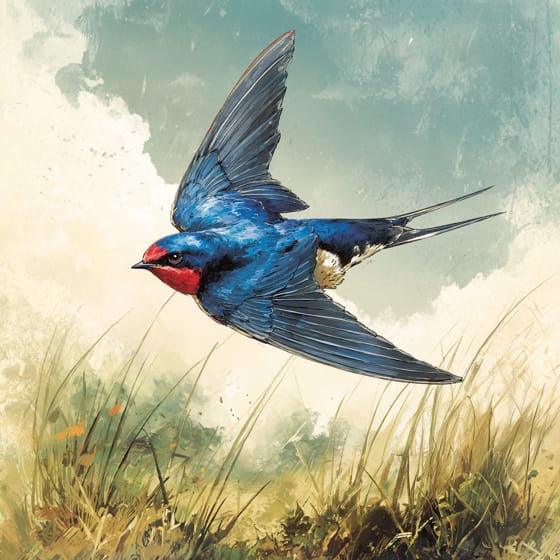
Hirundo rustica
These birds capture adult Sun Flies in flight for food.
Typha latifolia
Larvae thrive in the muddy water found near this wetland plant.
Social animals live in organized groups, cooperating for survival benefits such as foraging, defense, and raising offspring.
Camouflaged describes organisms that possess coloring or patterns that allow them to blend into their environment.
Colorful describes organisms or objects displaying a wide range of bright and distinct colors.
This trait characterizes organisms whose diet consists entirely or primarily of plant material.

Describes plants that are particularly attractive and beneficial to a wide range of pollinating organisms.

Diurnal animals are primarily active during daylight hours, typically resting or sleeping at night.

This habitat trait indicates species that can coexist with humans in urban and suburban environments, utilizing man-made structures and green spaces.

Describes organisms that transfer pollen, enabling the fertilization and reproduction of plants.
Danger
1/5 · Very low
Sun Flies are harmless, but it's best to watch them from a distance.
The easiest way to identify Sun Fly is to use the Snappit nature identifier app.
15-22 mm
9-12 mm
7-21 days
Adult Sun Flies drink sweet nectar and pollen, while their larvae eat decaying plants.
Urban areas
Foraging
6
Zoom in to split clusters and explore where this object has been snapped.
Recent snaps will appear here as new observations are added.
Take the discovery with you
Snap it with Snappit to identify it, learn what makes it special, and add the discovery to your collection.







.jpg&width=800)



