





Sundheimer
Sundheimer
The Sundheimer is a playful mammal known for its bright colors and curious nature. It loves to explore its surroundings and is often seen hopping around in search of food.
Habitat: Forests
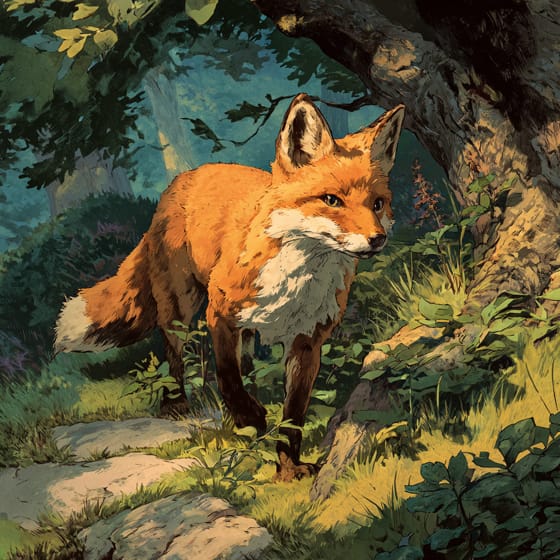
The Sundheimer is a small mammal with soft, reddish-brown fur, a creamy white belly, and large, rounded ears. Its most striking feature is a long, bushy tail tipped with black, making it visually distinct from common rodents.
Category
MammalsRarity
Common
Danger
1/5 · Very low
Snaps
Be the first to snap!
A group of Sundheimers is called a 'chatter' because of their constant vocalizations!
Sundheimer teeth never stop growing, so they must chew constantly to keep them short.
Sundheimers communicate with complex squeaks and chirps that vary by situation.
They build elaborate nests high in trees or underground, like tiny architects.
Sundheimer can scale trees quickly because of strong claws and a prehensile tail that helps them grip branches securely.
Sundheimer has large, forward-facing eyes that help them see in dim light to find food and navigate after sunset.
Sundheimer can mark its territory with special scent glands, helping them communicate important messages with other Sundheimers.
Sundheimer can dig extensive burrows because of powerful forelimbs, creating safe havens from predators and harsh weather.
A varied diet of plants and insects keeps the Sundheimer healthy and energetic.
Vulpes vulpes
A primary predator in its forest habitat.
Quercus robur
Feeds on acorns and other nuts from this tree.
Melolontha melolontha
Forages for larvae and adult insects.
Furry describes animals possessing a dense covering of soft hair or fur.
Social animals live in organized groups, cooperating for survival benefits such as foraging, defense, and raising offspring.
Colorful describes organisms or objects displaying a wide range of bright and distinct colors.
This trait characterizes organisms whose diet consists entirely or primarily of plant material.

Forest habitats are terrestrial environments dominated by dense tree cover, supporting a high diversity of plant and animal life.

Diurnal animals are primarily active during daylight hours, typically resting or sleeping at night.
No aliases listed yet.
Danger
1/5 · Very low
Always watch from a distance and don't try to touch wild animals like Sundheimers.
The easiest way to identify Sundheimer is to use the Snappit nature identifier app.
20-40 cm
0.5-2 kg
5-10 years
20 km/h
A varied diet of plants and insects keeps the Sundheimer healthy and energetic.
Forests
Foraging
Zoom in to split clusters and explore where this object has been snapped.
Recent snaps will appear here as new observations are added.
Take the discovery with you
Snap it with Snappit to identify it, learn what makes it special, and add the discovery to your collection.




.jpg&width=800)

.JPG&width=800)


.jpg&width=800)
