





Surinam Toad
Pipa pipa
The Surinam Toad is a unique toad that has a flat body and can hide very well in the water. It looks like a leaf!
Habitat: Swamps and slow rivers
The Surinam Toad is incredibly flat, resembling a fallen leaf or stone. It has rough, bumpy, brownish-grey skin, a distinct triangular head, and tiny, almost hidden eyes. Its unique, flattened body helps it blend seamlessly into muddy riverbeds.
Category
AmphibiansRarity
Rare
Danger
2/5 · Low
Snaps
Be the first to snap!
Instead of hopping, they usually swim with powerful webbed hind feet to move.
Surinam toads are truly aquatic; they never leave the water, even to lay eggs!
They hunt by touch; tiny fingers help them find hidden snacks in murky water!
This toad is super flat, looking exactly like a dead leaf on the riverbed!
Surinam Toad has unique back skin that thickens to hold eggs, protecting babies until they hatch as tiny, fully formed toadlets.
Surinam Toad can flatten its body and blend perfectly with muddy riverbeds, making it nearly invisible to predators and prey.
Surinam Toad has star-shaped fingertips that are highly sensitive, helping them find food in murky water by touch.
Tiny fish, worms, and bugs are tasty treats for this flat friend!
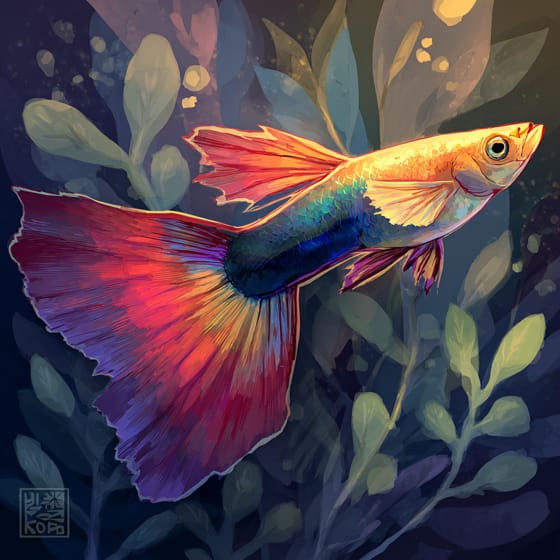
Poecilia reticulata
Preys on small fish found in its habitat.
Chironomus plumosus
Consumes aquatic insect larvae from riverbeds.
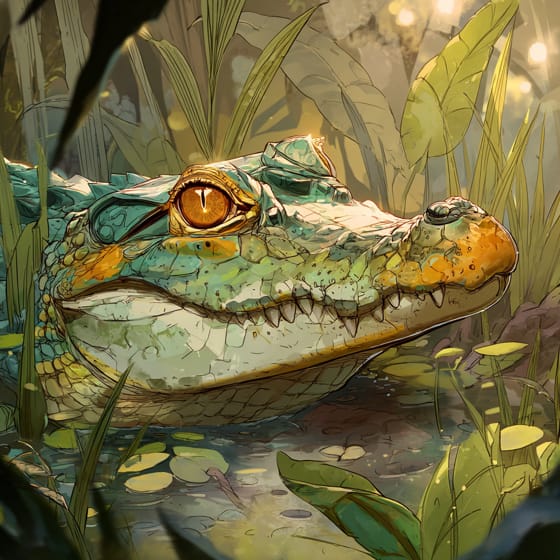
Caiman crocodilus
Juveniles are prey for larger aquatic predators.
Eunectes murinus
Can be hunted by large aquatic snakes.
Solitary animals live alone for most of their lives, only interacting with others for mating or parental care.
Burrowing animals dig tunnels and chambers in the ground, using these subterranean structures for shelter, hunting, or breeding.
Camouflaged describes organisms that possess coloring or patterns that allow them to blend into their environment.
This trait signifies organisms belonging to a very old evolutionary group with ancestors dating back millions of years.

This trait identifies organisms whose diet consists entirely or primarily of animal tissue.

Freshwater habitats include non-saline aquatic environments such as rivers, lakes, ponds, and wetlands, vital for numerous species.
Regenerative organisms possess the ability to regrow lost or damaged body parts, tissues, or organs.

Nocturnal animals are primarily active during the nighttime hours, typically resting or sleeping during the day.
Danger
2/5 · Low
Look but don’t touch. Keep a safe distance and wash hands after exploring.
The easiest way to identify Surinam Toad is to use the Snappit nature identifier app.
10-20 cm
0.12-0.2 kg
7-12 years
Tiny fish, worms, and bugs are tasty treats for this flat friend!
Swamps and slow rivers
Ambush
60-100
Zoom in to split clusters and explore where this object has been snapped.
Recent snaps will appear here as new observations are added.
Take the discovery with you
Snap it with Snappit to identify it, learn what makes it special, and add the discovery to your collection.









.JPG&width=800)




.jpg&width=800)

