Swamp Eels
synbranchidae
Swamp eels are slippery and fun to watch as they wiggle through the water! They can breathe air and often come to the surface for a quick breath!
Habitat: Swampy areas, marshes, and slow-moving waters.
The Swamp Eel has a long, snake-like body, usually olive-green or brownish-grey, sometimes with subtle speckles. It lacks pectoral and pelvic fins, making its smooth, cylindrical form distinct from most other fish. Its small, pointed head blends seamlessly into its body.
Category
FishRarity
Common
Danger
1/5 · Very low
Snaps
Be the first to snap!
Some swamp eel species are protogynous, meaning they can change sex from female to male!
Swamp eels can live in their muddy burrows for months without any surface water!
These clever fish use their sense of smell to hunt for food in murky water.
They are so incredibly slippery, they're super hard to catch with just your hands!
Swamp Eels can breathe air using specialized mouth and gill tissues, allowing them to survive in oxygen-poor water.
Swamp Eels can burrow into mud and form a protective cocoon, which helps them survive long dry periods.
Swamp Eels can squeeze through tiny gaps and wriggle over land to find new ponds or escape drying habitats.
These hungry eels eat small fish, insects, worms, and even tadpoles and frogs!
Age differences: Younger eels eat more insects, while adults prefer larger prey like fish.

Ardea alba
Egrets hunt these eels in shallow waters.
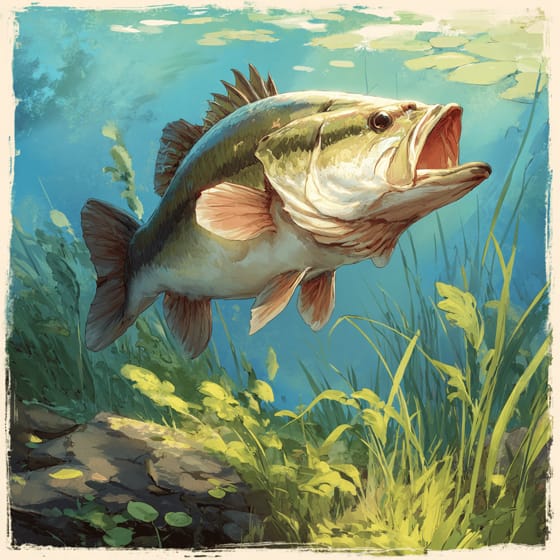
Micropterus salmoides
Larger bass prey on smaller swamp eels.
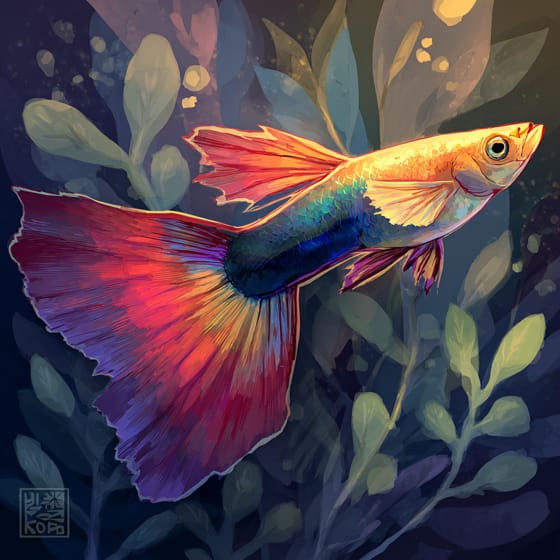
Poecilia reticulata
Swamp eels ambush and consume smaller fish like guppies.
Homo sapiens
Many cultures consider these eels a food source.
Solitary animals live alone for most of their lives, only interacting with others for mating or parental care.
Camouflaged describes organisms that possess coloring or patterns that allow them to blend into their environment.
This trait identifies organisms whose diet consists entirely or primarily of animal tissue.
Aquatic habitats encompass environments where organisms live predominantly in water, including oceans, rivers, lakes, and wetlands.
Danger
1/5 · Very low
No special safety notes yet.
The easiest way to identify Swamp Eels is to use the Snappit nature identifier app.
20-100 cm
0.1-1.5 kg
5-10 years
These hungry eels eat small fish, insects, worms, and even tadpoles and frogs!
8 km/h
Swampy areas, marshes, and slow-moving waters.
Ambush
Zoom in to split clusters and explore where this object has been snapped.
Recent snaps will appear here as new observations are added.
Take the discovery with you
Snap it with Snappit to identify it, learn what makes it special, and add the discovery to your collection.