





Tachinus corticinus
Tachinus corticinus
The Tachinus corticinus is a small beetle that loves to hide under tree bark. It has a shiny body and is often found in forests or gardens, helping to break down decaying wood.
Habitat: Forests
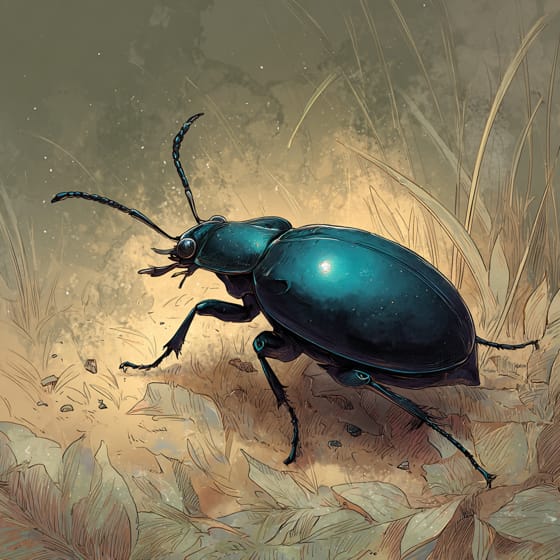
The Tachinus corticinus is a small, slender rove beetle, typically dark brown to black with reddish-brown legs and antennae. Its most distinguishing feature is its very short wing covers (elytra) that leave most of its segmented abdomen exposed, giving it an elongated, tapered appearance.
Category
InsectsRarity
Common
Danger
1/5 · Very low
Snaps
Be the first to snap!
Baby Tachinus corticinus look like tiny worms but are speedy predators, just like their parents!
Even with short wing covers, this beetle is a powerful flyer, soaring through the forest!
If disturbed, it can raise its tail like a scorpion, which might scare away predators!
These beetles are like little clean-up crews, helping to break down dead things in nature.
Tachinus corticinus can dart away quickly because of its agile body and long legs, helping them escape predators in a flash.
Tachinus corticinus has special folded wings tucked under its short wing covers that help them take flight instantly.
Tachinus corticinus has a diet including decaying matter, helping them break down organic material and clean the forest.
This beetle is an omnivore, munching on decaying plants and tiny insects found in forest debris.
Folsomia candida
Hunts these tiny arthropods in leaf litter.

Sorex araneus
Can be prey for shrews foraging on the forest floor.
Carabus nemoralis
Larger predatory ground beetles may hunt them.
Solitary animals live alone for most of their lives, only interacting with others for mating or parental care.
Describes organisms that break down dead organic material, recycling nutrients back into the ecosystem.
Forest habitats are terrestrial environments dominated by dense tree cover, supporting a high diversity of plant and animal life.
Describes a species whose presence and role have a disproportionately large effect on its environment.

Pertaining to species that are significantly smaller than typical or average for their kind.

Describes organisms that transfer pollen, enabling the fertilization and reproduction of plants.
No aliases listed yet.
Danger
1/5 · Very low
These beetles are harmless, but it's best to look at them without touching.
The easiest way to identify Tachinus corticinus is to use the Snappit nature identifier app.
8-14 mm
4-7 mm
30-90 days
7 km/h
This beetle is an omnivore, munching on decaying plants and tiny insects found in forest debris.
Forests
Foraging
Zoom in to split clusters and explore where this object has been snapped.
Recent snaps will appear here as new observations are added.
Take the discovery with you
Snap it with Snappit to identify it, learn what makes it special, and add the discovery to your collection.









.jpg&width=800)


