





Blue-green Sharpshooter
Graphocephala atropunctata
The Blue-green Sharpshooter is a small, colorful insect that loves to hop around plants. It has bright blue and green colors that make it easy to spot in gardens and fields.
Habitat: Urban areas
The Blue-green Sharpshooter has a bright, iridescent blue-green body with a distinctive rounded head marked by small black spots. Its clear wings are held tent-like over its back, often showing subtle dark veins, making it stand out against green leaves.
Category
InsectsRarity
Common
Danger
1/5 · Very low
Snaps
2
Imagine drinking through a straw your whole life – that's a sharpshooter!
These insects produce sweet honeydew, which ants sometimes like to eat.
They drink so much plant sap, they filter out extra water as tiny droplets!
They use their strong legs to jump over 100 times their body length!
Blue-green Sharpshooter can leap incredible distances using powerful hind legs that helps them escape predators in a flash.
Blue-green Sharpshooter has a special straw-like mouthpart that helps them drink watery xylem sap from plants for food and hydration.
Blue-green Sharpshooter can send tiny vibrations through plant stems that helps them find mates or warn others of danger.
This insect enjoys drinking the watery sap from inside plant stems, like a tiny juice box!
Vitis vinifera
consumes xylem sap from its stems and leaves
Vitis vinifera
requires this plant for food and habitat throughout its life cycle
.jpg&width=800)
Tyrannus verticalis
a common insectivorous bird that preys on various insects
Araniella displicata
this spider builds webs in plants and catches various insects
Social animals live in organized groups, cooperating for survival benefits such as foraging, defense, and raising offspring.
Camouflaged describes organisms that possess coloring or patterns that allow them to blend into their environment.
Colorful describes organisms or objects displaying a wide range of bright and distinct colors.
This trait characterizes organisms whose diet consists entirely or primarily of plant material.

Diurnal animals are primarily active during daylight hours, typically resting or sleeping at night.

This trait identifies organisms that exhibit exceptional swiftness in movement for hunting, escape, or travel.

This habitat trait indicates species that can coexist with humans in urban and suburban environments, utilizing man-made structures and green spaces.

Describes organisms that transfer pollen, enabling the fertilization and reproduction of plants.
No aliases listed yet.
Danger
1/5 · Very low
It's best to look at insects from a distance and not touch them.
The easiest way to identify Blue-green Sharpshooter is to use the Snappit nature identifier app.
7-12 mm
5-8 mm
30-90 days
This insect enjoys drinking the watery sap from inside plant stems, like a tiny juice box!
Urban areas
Foraging
6
Zoom in to split clusters and explore where this object has been snapped.

Washington, US
You might spot Duck, Western Sword Fern, and Rock Pigeon.
View guide →

Oregon, US
You might spot Great White Shark, Blue Spotted Stingray, and Octopus.
View guide →
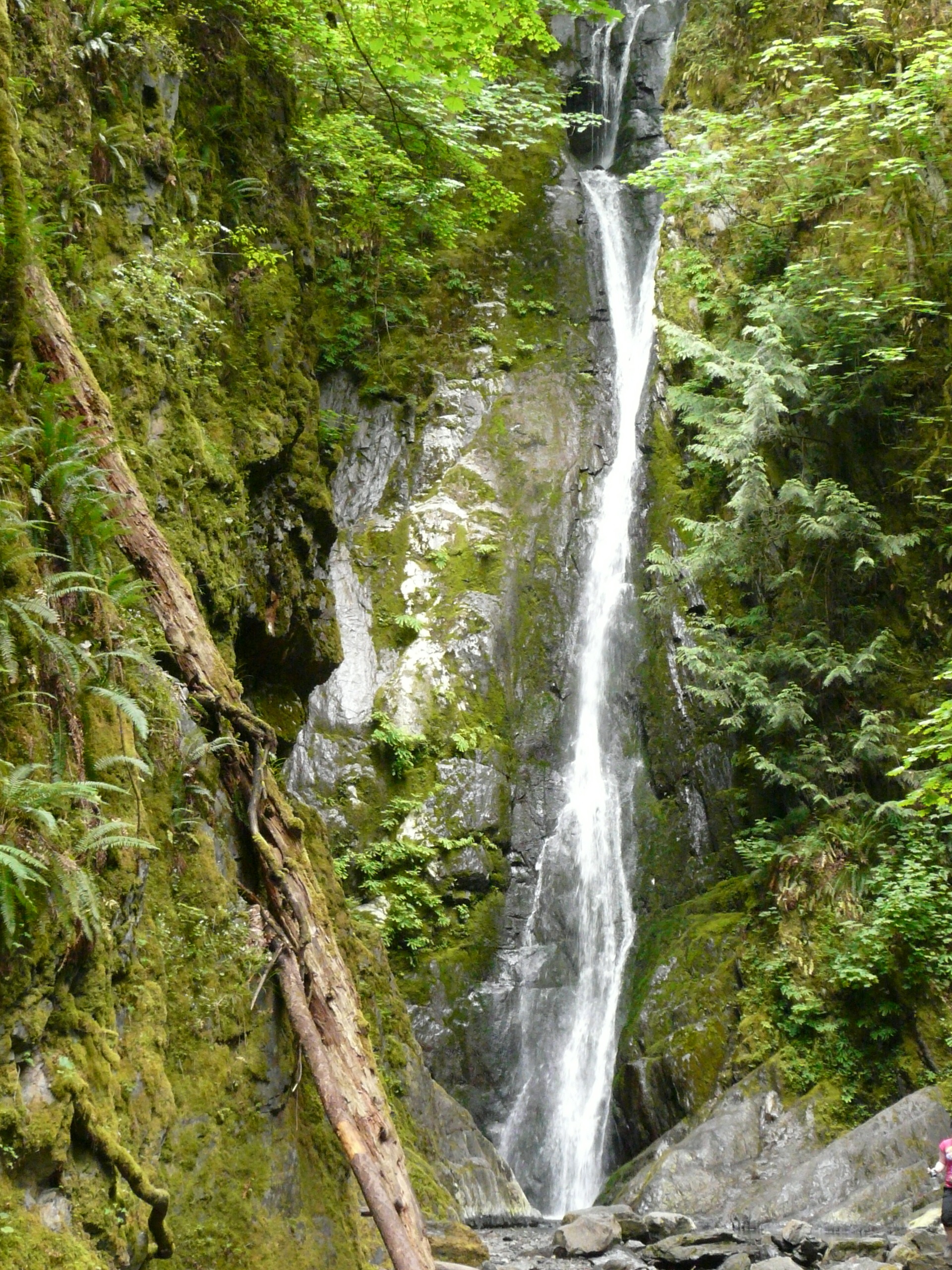
British Columbia, CA
You might spot Western Sword Fern and Western Redcedar.
View guide →
Take the discovery with you
Snap it with Snappit to identify it, learn what makes it special, and add the discovery to your collection.







.jpg&width=800)



