.jpg&width=800)





tall boneset
Eupatorium altissimum
Tall boneset is a tall, leafy plant that grows in wet areas. It has clusters of small white flowers that attract butterflies and bees, making it a great friend to nature!
Habitat: Wetlands
The tall boneset is a very tall, slender plant with rigid, usually hairy stems. It has narrow, lance-shaped leaves arranged oppositely, and boasts numerous small, fuzzy white flowers grouped into dense, flat-topped clusters at the top.
Category
PlantsRarity
Common
Danger
1/5 · Very low
Snaps
Be the first to snap!
Its fluffy seeds have tiny parachutes to fly far on the wind.
Its name 'boneset' comes from old stories of using it to treat fevers.
This tough plant can grow incredibly tall and fast, up to 6 feet in a summer!
Tiny white flowers appear so late in the year, providing vital food for insects.
Tall boneset has deep roots that help it find water in dry soil, letting it thrive where other plants might wilt.
Its flowers bloom late in the year, providing a crucial food source for pollinators when other flowers are scarce.
This plant has a strong root system that helps hold soil in place, preventing erosion in its habitat.
Apis mellifera
collects nectar and pollen
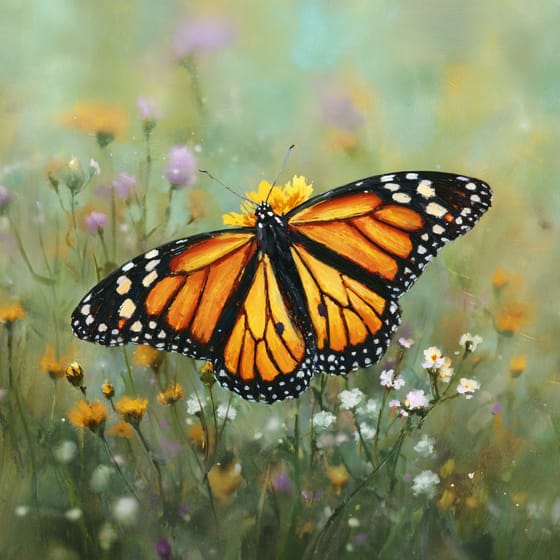
Danaus plexippus
visits flowers for nectar
Bombus impatiens
important late-season pollinator
Trichoplusia ni
larvae feed on leaves
Flowering plants are any plants that produce flowers as part of their reproductive cycle.
Cluster flowers are inflorescences where individual flowers are arranged closely together on a common stem.
Summer blooming plants produce their flowers during the summer season, often providing vibrant color when many other plants have finished.
This trait characterizes organisms whose diet consists entirely or primarily of plant material.

Describes plants that are particularly attractive and beneficial to a wide range of pollinating organisms.

This habitat trait identifies species found in wetlands, which are areas of land saturated with water, either permanently or seasonally, including marshes, swamps, and bogs.

Describes a species whose presence and role have a disproportionately large effect on its environment.
No aliases listed yet.
Danger
1/5 · Very low
Always look but don't touch plants unless a grown-up says it's okay.
The easiest way to identify tall boneset is to use the Snappit nature identifier app.
100-200 cm
45-90 cm
0.3-0.7 cm
Late summer to fall
No
Mild
Perennial
Zoom in to split clusters and explore where this object has been snapped.
Recent snaps will appear here as new observations are added.
Take the discovery with you
Snap it with Snappit to identify it, learn what makes it special, and add the discovery to your collection.







.jpg&width=800)



_001.jpg&width=800)




