





Tamarisks
Tamarix
Tamarisks are lovely shrubs that grow near water. They have small, pink flowers and feathery leaves that look like tiny green needles. These plants are great for helping to keep the soil in place!
Habitat: Coastal areas
The Tamarisks has a feathery appearance with many slender branches and small, scale-like leaves that are often grayish-green. Its tiny, five-petaled flowers bloom in dense, brush-like clusters, typically in shades of pink or white, creating a soft, misty look.
Category
PlantsRarity
Common
Danger
1/5 · Very low
Snaps
Be the first to snap!
In just one year, a Tamarisk can grow over six feet tall, reaching for the sky super fast!
Its wood is so strong, it was used to make ancient desert shelters and tools!
Some Tamarisks can make the soil around them salty, stopping other plants from growing!
Tamarisks can sprout new branches even from buried stems, making them tough survivors!
Tamarisks can absorb extra salt from the soil and release it through special glands on their leaves, helping them thrive where other plants cannot.
Tamarisks has incredibly long taproots that can reach deep groundwater, allowing it to survive in very dry, arid environments.
Tamarisks has a strong, widespread root system that helps it hold loose soil in place, preventing erosion, especially in riverside areas.
Apis mellifera
attracted to abundant flowers
Diorhabda carinata
larvae and adults feed on foliage
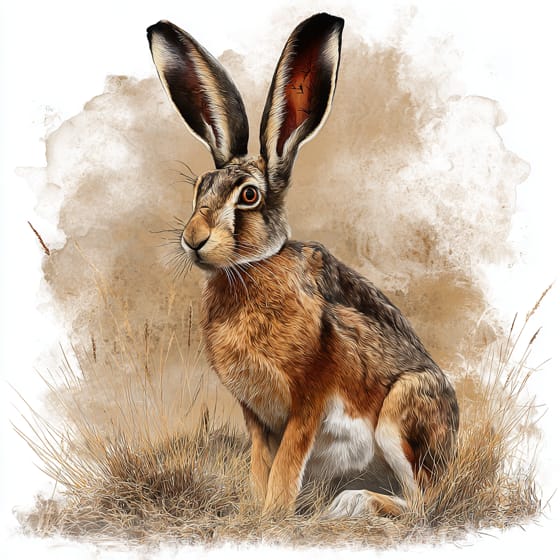
Lepus californicus
browses on young stems and leaves
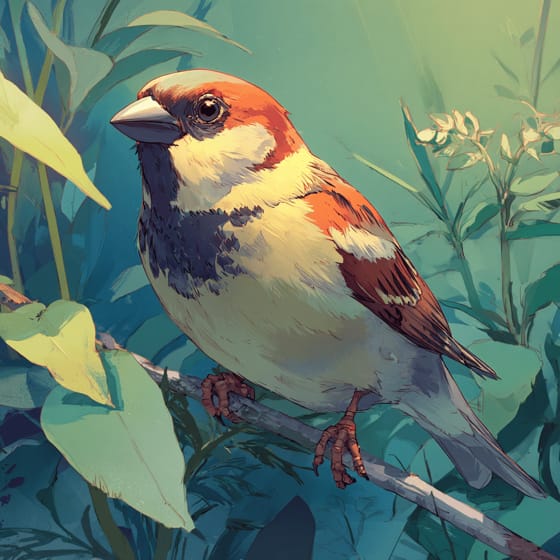
Passer domesticus
builds nests in dense branches
Deciduous plants periodically shed all their leaves, typically during autumn or dry seasons.
Flowering plants are any plants that produce flowers as part of their reproductive cycle.
A shrub is a woody plant smaller than a tree, typically with multiple stems branching from or near the ground.
Salt tolerant plants can withstand and grow in conditions with elevated salinity levels in the soil or water.

Describes plants that are particularly attractive and beneficial to a wide range of pollinating organisms.

This trait characterizes organisms with an exceptionally long lifespan compared to others of their kind.

Coastal habitats are dynamic environments located along the interface between land and sea, influenced by tides, waves, and saltwater.

Describes a species whose presence and role have a disproportionately large effect on its environment.
Danger
1/5 · Very low
Always stay on paths when exploring nature and don't pick the plants without permission.
The easiest way to identify Tamarisks is to use the Snappit nature identifier app.
200-1500 cm
150-1000 cm
0.2-0.5 cm
Late spring to early fall
No
None
Perennial
Zoom in to split clusters and explore where this object has been snapped.
Recent snaps will appear here as new observations are added.
Take the discovery with you
Snap it with Snappit to identify it, learn what makes it special, and add the discovery to your collection.







.jpg&width=800)



_001.jpg&width=800)



