





Tawny Crescent
Phyciodes batesii
The Tawny Crescent is a beautiful butterfly with orange and brown wings. It loves to flutter around flowers and is often seen in sunny places during warm days.
Habitat: Grasslands
The Tawny Crescent is a small butterfly with a wingspan of about an inch. Its upper wings are a vibrant tawny orange, heavily marked with black lines and small, dark spots. A distinctive row of pale crescent shapes can be seen along the hindwing margins, setting it apart.
Category
InsectsRarity
Common
Danger
1/5 · Very low
Snaps
Be the first to snap!
Adult Tawny Crescents love sunshine and are most active on warm, bright days!
Baby Tawny Crescents munch on aster leaves, growing strong before becoming butterflies!
The 'crescent' in their name comes from pale moon shapes on their hindwings!
They spend the winter as caterpillars, tucked away until spring arrives!
Tawny Crescents have tawny orange and black wing patterns that help them blend into flowery meadows, making it harder for predators to spot them.
Tawny Crescents possess a long, straw-like proboscis that allows them to reach deep inside flowers to drink sugary nectar for energy.
Their caterpillars are often cryptically colored, allowing them to hide on their host plants and avoid hungry birds.
Adults sip sweet flower nectar for energy; caterpillars munch on leaves to grow big!
Age differences: Caterpillars eat plant leaves; adult butterflies drink flower nectar.
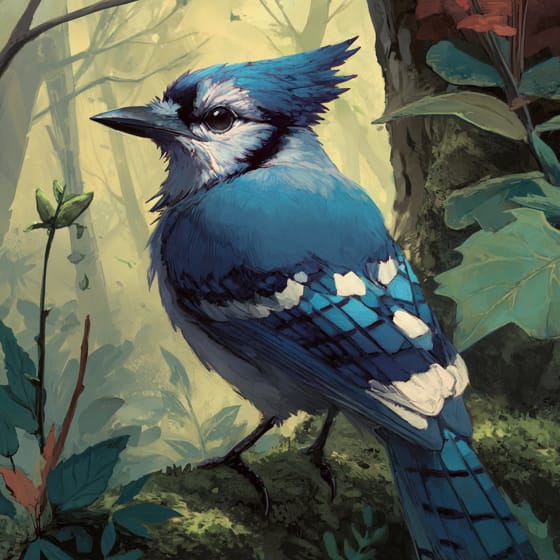
Cyanocitta cristata
Blue jays prey on butterflies and their caterpillars.
.jpg&width=800)
Symphyotrichum novae-angliae
Adults transfer pollen as they sip nectar from aster flowers.
Polistes annularis
Wasps can capture and feed butterflies or their larvae.
Solidago canadensis
Caterpillars feed on the leaves of this common plant for growth.
Solitary animals live alone for most of their lives, only interacting with others for mating or parental care.
Camouflaged describes organisms that possess coloring or patterns that allow them to blend into their environment.
Colorful describes organisms or objects displaying a wide range of bright and distinct colors.
Grassland habitats are terrestrial biomes dominated by grasses and herbaceous plants, supporting a variety of grazing animals.

This trait characterizes organisms whose diet consists entirely or primarily of plant material.

Describes plants that are particularly attractive and beneficial to a wide range of pollinating organisms.

Diurnal animals are primarily active during daylight hours, typically resting or sleeping at night.

Describes organisms that transfer pollen, enabling the fertilization and reproduction of plants.
No aliases listed yet.
Danger
1/5 · Very low
Be gentle and watch butterflies from a distance so they don't get scared.
The easiest way to identify Tawny Crescent is to use the Snappit nature identifier app.
25-35 mm
12-18 mm
14-21 days
12 km/h
Adults sip sweet flower nectar for energy; caterpillars munch on leaves to grow big!
Grasslands
Foraging
Zoom in to split clusters and explore where this object has been snapped.
Recent snaps will appear here as new observations are added.
Take the discovery with you
Snap it with Snappit to identify it, learn what makes it special, and add the discovery to your collection.






.jpg&width=800)



