





Tentacled Snake
Erpeton tentaculatum
The Tentacled Snake is a unique snake that has special tentacle-like structures on its head! It loves to swim and can often be found in water, making it a fascinating creature to discover.
Habitat: Wetlands
The Tentacled Snake is a small, slender aquatic snake, typically brown or grey with darker blotches and a somewhat flattened body. It has a unique pair of fleshy, tentacle-like structures on its snout, making it easily distinguishable. Its scales are keeled, aiding in underwater movement.
Category
ReptilesRarity
Common
Danger
2/5 · Low
Snaps
Be the first to snap!
Baby snakes are born live, already swimming and hunting tiny fish!
Despite being venomous, its fangs are too small to harm people!
It's the only snake with two fleshy tentacles on its snout!
This snake can make a 'fence' with its body to trap fish!
Tentacled Snake can detect subtle water vibrations using its unique facial tentacles to pinpoint prey even in murky water.
Tentacled Snake has a specialized strike that startles fish, causing them to reflexively swim into its waiting mouth.
Tentacled Snake can remain submerged for over 30 minutes, allowing it to ambush prey without needing to surface for air.
Tentacled Snake has flattened keeled scales and a motionless hunting style that helps it blend perfectly with the riverbed.
This aquatic snake is a carnivore that ambushes small fish in freshwater.
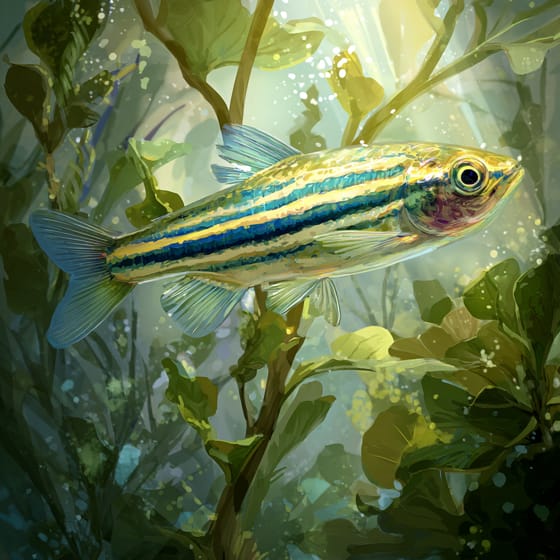
Danio rerio
A common small fish in its habitat.
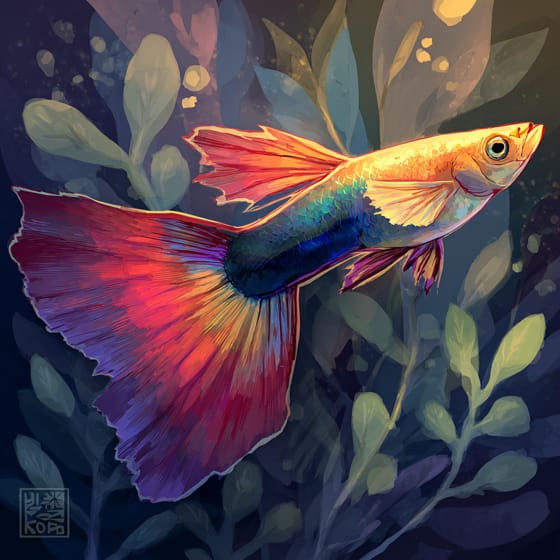
Poecilia reticulata
Hunts these small, fast-moving fish.
.jpg&width=800)
Ardea cinerea
Large water birds may prey on them.
Clarias batrachus
Larger fish, especially catfish, might eat young snakes.
Solitary animals live alone for most of their lives, only interacting with others for mating or parental care.
Camouflaged describes organisms that possess coloring or patterns that allow them to blend into their environment.
Piscivorous organisms are animals that primarily subsist on a diet of fish.
This habitat trait identifies species found in wetlands, which are areas of land saturated with water, either permanently or seasonally, including marshes, swamps, and bogs.

This trait identifies organisms whose diet consists entirely or primarily of animal tissue.

This trait identifies organisms that exhibit exceptional swiftness in movement for hunting, escape, or travel.

Aquatic habitats encompass environments where organisms live predominantly in water, including oceans, rivers, lakes, and wetlands.
No aliases listed yet.
Danger
2/5 · Low
Always watch from a safe distance and never try to touch wild snakes.
The easiest way to identify Tentacled Snake is to use the Snappit nature identifier app.
50-75 cm
0.1-0.3 kg
5-8 years
This aquatic snake is a carnivore that ambushes small fish in freshwater.
2 km/h
Wetlands
Ambush
Zoom in to split clusters and explore where this object has been snapped.
Recent snaps will appear here as new observations are added.
Take the discovery with you
Snap it with Snappit to identify it, learn what makes it special, and add the discovery to your collection.














