





Texas Sacahuiste
Nolina texana
The Texas Sacahuiste is a tall plant with long, thin leaves that look like green ribbons. It grows in warm places and can survive in dry areas, making it special in Texas!
Habitat: Desert
The Texas Sacahuiste is a clumping, grass-like perennial with many long, narrow, evergreen leaves that are stiff and sometimes finely toothed. It produces a tall, central flower stalk bearing numerous small, creamy-white flowers, giving it a distinctive, airy appearance when in bloom.
Category
PlantsRarity
Common
Danger
2/5 · Low
Snaps
Be the first to snap!
Its strong leaves were traditionally used by Native Americans to weave durable baskets!
The name 'Sacahuiste' comes from an Aztec word, likely meaning 'grass for fodder'!
The roots of this plant contain a natural soap-like substance called saponin!
This incredibly tough plant can live for a very long time, sometimes over 100 years!
Texas Sacahuiste has deep roots that dive into the soil to find and store water, helping it thrive in dry environments.
Texas Sacahuiste's growth point is protected underground, allowing it to regrow quickly and survive even after wildfires.
Texas Sacahuiste has tough, saw-edged leaves that deter hungry animals, keeping its valuable resources safe from grazers.
Texas Sacahuiste produces tender flower stalks in spring that can be harvested and eaten, providing food for many creatures.

Odocoileus virginianus
Deer sometimes browse its tough foliage.
Apis mellifera
Bees visit its small flowers for nectar and pollen.
Neotoma micropus
Its dense clumps provide shelter for woodrats.
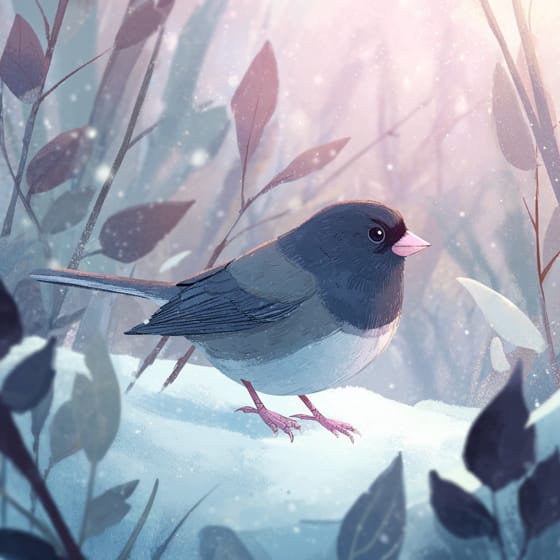
Junco hyemalis
Birds feed on its small seeds, especially in winter.
Grass-like plants are herbaceous plants that visually resemble true grasses, typically having long, narrow leaves.
Evergreen plants retain their foliage throughout the year, never shedding all their leaves at once.
Drought-tolerant plants can survive and flourish in conditions with limited water availability.
Desert habitats are arid regions characterized by extremely low precipitation and often extreme temperatures, supporting specialized flora and fauna.

This trait characterizes organisms with an exceptionally long lifespan compared to others of their kind.

Describes a species whose presence and role have a disproportionately large effect on its environment.
No aliases listed yet.
Danger
2/5 · Low
Be careful around the sharp leaves of the Texas Sacahuiste.
The easiest way to identify Texas Sacahuiste is to use the Snappit nature identifier app.
60-180 cm
60-150 cm
0.5-1 cm
Spring to early summer
Yes
None
Perennial
Zoom in to split clusters and explore where this object has been snapped.
Recent snaps will appear here as new observations are added.
Take the discovery with you
Snap it with Snappit to identify it, learn what makes it special, and add the discovery to your collection.










.jpg&width=800)



_001.jpg&width=800)


