





Yellow Beardtongue
Penstemon confertus
The Yellow Beardtongue is a bright yellow flower that loves to grow in sunny places. Its unique shape and color make it a cheerful sight in gardens and fields.
Habitat: Grasslands
The Yellow Beardtongue has dense clusters of small, tubular, pale yellow to cream-colored flowers often accented with tiny reddish-purple lines inside. Its narrow, bright green leaves typically grow near the base, making the golden flower spikes stand out distinctly.
Category
PlantsRarity
Common
Danger
1/5 · Very low
Snaps
4
Bumblebees love to buzz its tiny flowers like tiny helicopters to get pollen!
It often grows alongside sagebrush, creating a beautiful wild carpet!
Its name comes from tiny fuzzy hairs inside the flower, like a secret beard!
Some Penstemon flowers change color after pollination to tell bees 'no more nectar!'
Yellow Beardtongue has flowers that certain bees can 'buzz' to shake out hidden pollen, a special trick for efficient foraging!
It grows in dense clumps from underground stems, helping it spread slowly and resist being overtaken by other plants.
This plant has tough, narrow leaves and deep roots to help it survive in dry, high-altitude environments.
Bombus bifarius
A key pollinator of its flowers.
Apis mellifera
Visits flowers for nectar and pollen.
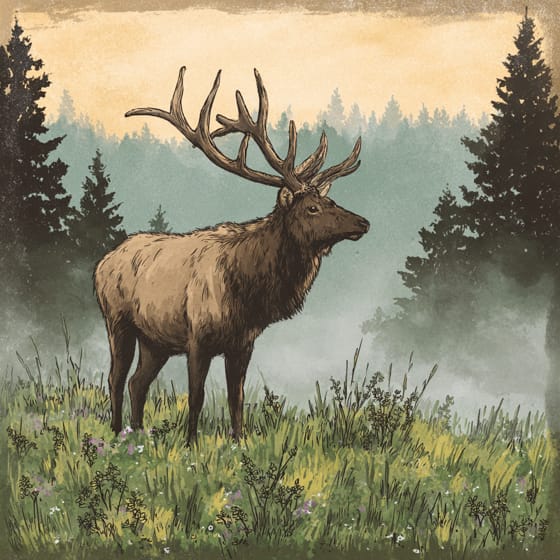
Cervus canadensis
Elk and other grazing animals browse its foliage.
Euphydryas chalcedona
Its caterpillars feed on Penstemon species.
Bell-shaped flowers possess petals fused or arranged to form a cup-like or campanulate structure resembling a bell.
Flowering plants are any plants that produce flowers as part of their reproductive cycle.
Spring blooming plants produce their flowers during the spring season, often signifying the end of winter and the start of new growth.
Summer blooming plants produce their flowers during the summer season, often providing vibrant color when many other plants have finished.

A tube flower has petals fused together at the base, forming a distinct tubular structure that typically holds nectar deep within.

Fragrant flowers emit a pleasant aroma, often to attract pollinators or for defense.

Grassland habitats are terrestrial biomes dominated by grasses and herbaceous plants, supporting a variety of grazing animals.

Describes plants that are particularly attractive and beneficial to a wide range of pollinating organisms.
No aliases listed yet.
Danger
1/5 · Very low
Always look but don't pick flowers, so they can keep growing for everyone to enjoy.
The easiest way to identify Yellow Beardtongue is to use the Snappit nature identifier app.
10-50 cm
10-20 cm
0.5-1 cm
Late spring to mid-summer
No
None
Perennial
Zoom in to split clusters and explore where this object has been snapped.

Montana, US
You might spot Bighorn Sheep and Mountain Goat.
View guide →

Washington, US
You might spot Whitebark Pine, Subalpine Larch, and White Pasqueflower.
View guide →

Montana, US
You might spot Baker's Mariposa Lily, Yellow Beardtongue, and Elk.
View guide →
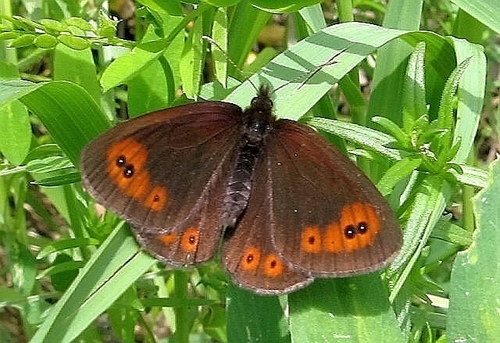
British Columbia, CA
You might spot Common Alpine, Common Juniper, and Field Chickweed.
View guide →
Take the discovery with you
Snap it with Snappit to identify it, learn what makes it special, and add the discovery to your collection.








.jpg&width=800)


_001.jpg&width=800)




