_(14586807078).jpg&width=800)





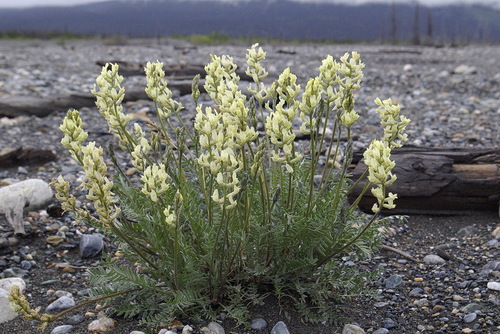
Carrotleaf Biscuitroot
Lomatium multifidum
Carrotleaf Biscuitroot is a special plant with pretty yellow flowers and unique, carrot-like leaves. It grows in the wild and is a favorite among butterflies and bees!
Habitat: Grasslands
The Carrotleaf Biscuitroot has finely dissected, fern-like leaves that resemble tiny carrot tops, growing in a basal rosette. Its small, bright yellow flowers are clustered in flat-topped umbrella-like structures, standing atop slender stems.
Category
PlantsRarity
Common
Danger
1/5 · Very low
Snaps
Be the first to snap!
Indigenous peoples traditionally dug up and ate its starchy roots, raw or cooked!
It's a distant relative of carrots, parsley, and dill, all in the same plant family!
Its seeds were used by Native American tribes as a nutty, celery-like seasoning for food!
This plant's deep taproot can grow surprisingly long, helping it survive long droughts!
Carrotleaf Biscuitroot can grow a long, thick taproot that helps it find deep water in dry, rocky soils to survive harsh conditions.
Carrotleaf Biscuitroot has finely divided leaves that reduce surface area, helping it cope with intense sunlight and minimize water loss.
Carrotleaf Biscuitroot has bright yellow flower clusters that act like a giant landing pad, helping it attract many different insect pollinators.
Carrotleaf Biscuitroot produces flattened, winged seeds that help them travel further on the wind, spreading to new locations.
Apis mellifera
attracted by its bright yellow flowers
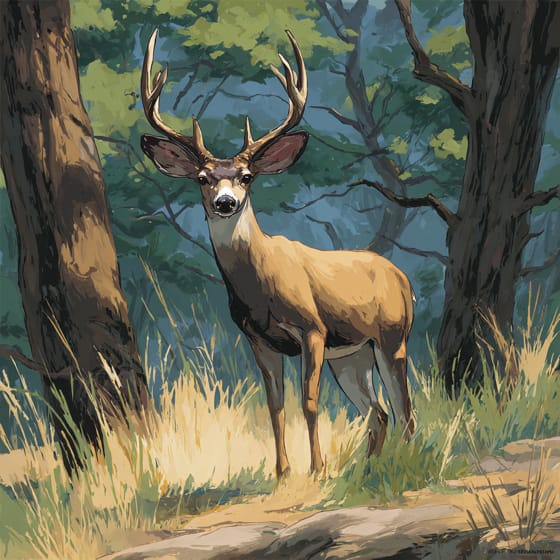
Odocoileus hemionus
deer browse its leaves and stems
Bombus bifarius
a native bee collecting nectar and pollen
Aromatic plants produce and emit fragrant volatile organic compounds, often for defense or to attract pollinators.
Flowering plants are any plants that produce flowers as part of their reproductive cycle.
Biennial plants complete their life cycle over two growing seasons, typically forming foliage in the first year and flowering/seeding in the second.
Spring blooming plants produce their flowers during the spring season, often signifying the end of winter and the start of new growth.

Medicinal plants possess chemical compounds that can be used for therapeutic purposes to treat illnesses or maintain health.

Edible plants are those parts of a plant that are considered safe for human consumption.

Grassland habitats are terrestrial biomes dominated by grasses and herbaceous plants, supporting a variety of grazing animals.

Describes plants that are particularly attractive and beneficial to a wide range of pollinating organisms.
Danger
1/5 · Very low
Always look but don't touch wild plants unless a grown-up says it's safe.
The easiest way to identify Carrotleaf Biscuitroot is to use the Snappit nature identifier app.
15-45 cm
10-30 cm
0.2-0.4 cm
Spring to early Summer
Yes
None
Perennial
Zoom in to split clusters and explore where this object has been snapped.
Recent snaps will appear here as new observations are added.
Take the discovery with you
Snap it with Snappit to identify it, learn what makes it special, and add the discovery to your collection.









.jpg&width=800)



_001.jpg&width=800)



