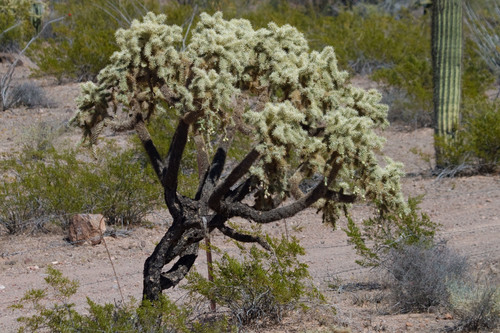
Saguaro Cactus

Sabino Canyon offers a stunning desert oasis just outside Tucson, Arizona.
Sabino Canyon offers a stunning desert oasis just outside Tucson, Arizona. This natural gem invites exploration of its unique riparian and desert ecosystems.
Nestled at the base of the Santa Catalina Mountains within the Coronado National Forest, Sabino Canyon is a breathtaking natural retreat renowned for its dramatic landscapes and year-round flowing creek. It serves as a vibrant sanctuary where the Sonoran Desert's iconic saguaro cacti stand tall against rugged canyon walls, providing a striking contrast to the lush, life-sustaining riparian corridors carved by Sabino Creek. This premier natural area offers a unique opportunity to immerse oneself in a diverse environment just minutes from the city.
Visitors can explore a network of trails, from leisurely walks to challenging hikes, or enjoy a narrated journey aboard the electric Sabino Canyon Crawler. This open-air shuttle provides an engaging tour, highlighting the canyon's geological formations, diverse flora, and fauna. Along the way, keep an eye out for magnificent saguaros, colorful prickly pear cacti, and the vibrant Vermilion Flycatcher. The Seven Falls Trail leads to a series of picturesque waterfalls and pools, particularly impressive after seasonal rains or winter snowmelt, offering a refreshing reward for hikers.
Sabino Canyon is a memorable destination for its harmonious blend of serene natural beauty and accessible outdoor adventure. Whether you're captivated by the chance to spot a Gila monster, photograph the striking desert tortoise, or simply revel in the tranquility of the desert riparian areas with their cottonwood and sycamore trees, the canyon offers an unforgettable experience. Its well-preserved environment and thoughtful visitor amenities make it an ideal escape for anyone seeking to connect with the unique splendor of Southern Arizona. Take the ultimate field guide with you: use the Snappit app to identify birds, plants, and animals on your trip.
The geological history of Sabino Canyon dates back over 12 million years with the formation of the Santa Catalina Mountains. Evidence suggests early human presence, with the Hohokam people occupying the canyon between 300 and 1400 AD. The area officially became part of the United States with the Gadsden Purchase in 1854, and the U.S. Forest Service assumed administration in 1905. During the Great Depression in the 1930s, the Civilian Conservation Corps (CCC) and Works Progress Administration (WPA) undertook significant projects in the canyon, constructing nine stone bridges across Sabino Creek and building the main road. Originally intended to connect to Mount Lemmon, the road was never fully completed due to the challenging terrain. In 1978, private vehicles were restricted from entering the canyon, and an electric shuttle service was introduced, allowing visitors to experience its beauty in an environmentally friendly way.
Hike or walk along the paved Sabino Canyon Road, explore numerous unpaved trails, enjoy picnicking at designated areas, take a narrated shuttle tour, cycle during permitted hours, and look for diverse wildlife.
Winter: Mild temperatures are perfect for hiking. Western Bluebirds are often seen. Snowmelt from Mount Lemmon contributes to creek flow.
Spring: Pleasant weather, blooming wildflowers, and active birdlife.
Summer: Very hot (often exceeding 100°F). Monsoon season (July-September) brings heavy rains, which can cause significant creek flow and even flash floods, making some areas temporarily impassable.
Fall: Milder temperatures return, offering comfortable hiking conditions.
The main Sabino Canyon paved road is wheelchair accessible, and the electric shuttles are equipped to accommodate wheelchairs. Accessible restrooms and picnic areas are available near the Visitor Center.
An open-air electric shuttle offering a narrated 1-hour round trip with nine stops, allowing visitors to hop on and off to explore.
A popular, moderately challenging hike (8.3 to 9 miles roundtrip depending on starting point) leading to a series of beautiful waterfalls and pools in Bear Canyon.
Offers panoramic views of the canyon and surrounding mountains, presenting a more challenging hike.
Explore the lush vegetation, including cottonwood, sycamore, ash, and willow trees, sustained by the creek's nearly year-round flow.
Each card links to a full Explore page with photos, traits, and fun facts.
Start with the big picture, then zoom in to explore individual wildlife observations around this place.
Hydrate vigorously
Carry at least 0.5 to 1 liter of water per hour of activity, or a minimum of 2 liters, especially in warm weather, as shade is minimal.
Protect yourself from the sun
Wear sunscreen, a wide-brimmed hat, and light-colored clothing due to the intense desert sun and limited shade.
Visit early
Arrive in the early morning, especially during warmer months, to enjoy cooler temperatures and fewer crowds.
Consider the shuttle
Utilize the electric shuttle for an accessible and informative tour, or to reach trailheads further into the canyon and shorten longer hikes like the one to Seven Falls.
Check water conditions
If your primary goal is to see flowing water or waterfalls, check current conditions before visiting, as creek levels can vary significantly based on recent rainfall and snowmelt.
Bike with caution
If cycling, be aware of restricted hours: bikes are allowed before 9:00 AM and after 5:00 PM, but are prohibited on Wednesdays and Saturdays. E-bikes are not allowed beyond the parking lot.
Jun 19, 2026
Jun 19, 2026
Jun 19, 2026
Jun 17, 2026
Jun 17, 2026

Maryland, US
You might spot White-Tailed Deer and Eastern Gray Squirrel.
View guide →
.jpg)
District of Columbia, US
You might spot Eastern Gray Squirrel, Duck, and House Sparrow.
View guide →

Illinois, US
You might spot American Robin, Canada Goose, and House Sparrow.
View guide →

Virginia, US
You might spot Spotted Lanternfly and Northern Cardinal.
View guide →
Take the discovery with you
Identify the wildlife you spot, learn as you go, and keep a collection of the adventure.