





Thin-legged Wolf Spiders
Pardosa
Thin-legged Wolf Spiders are small, quick spiders that love to run around. They are great hunters and can be found in many places, like gardens and fields.
Habitat: Grasslands
The Thin-legged Wolf Spider has a slender, often mottled brown or gray body, blending seamlessly with its surroundings. Its most distinctive feature is its long, delicate legs, giving it a nimble appearance. They also possess eight prominent eyes arranged in three rows.
Category
InsectsRarity
Common
Danger
1/5 · Very low
Snaps
Be the first to snap!
After hatching, baby spiders hitch a ride on their mother's back!
Instead of webs, they sprint and pounce on prey like tiny jungle hunters!
Their eight eyes are arranged to give them a super wide view of their world!
They are called "wolf spiders" because they stalk their prey like wolves do!
Thin-legged Wolf Spiders can run incredibly fast because of their strong, agile legs that help them quickly chase down prey.
Thin-legged Wolf Spiders has mottled brown and gray patterns that help them blend perfectly with leaf litter and soil.
Thin-legged Wolf Spiders can see exceptionally well thanks to their eight eyes arranged in three rows, helping them spot tiny prey.
Thin-legged Wolf Spiders has a unique silk egg sac that they carry, protecting their babies until they hatch.
These agile hunters primarily eat tiny insects and other small invertebrates.
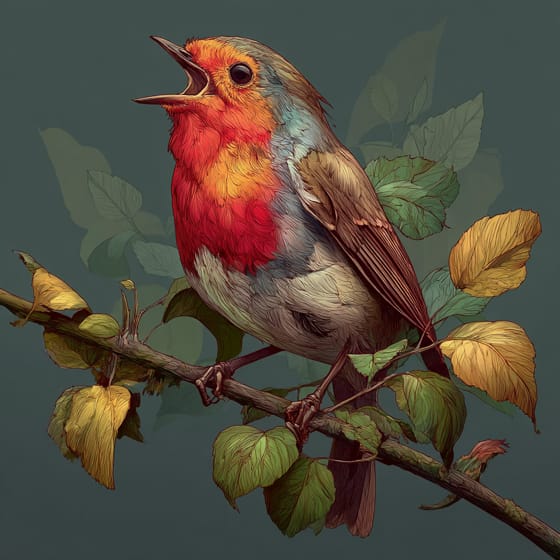
Turdus migratorius
A common food source for many ground-dwelling bird species.
Sceliphron caementarium
Wasp provisions its nest with paralyzed spiders to feed larvae.
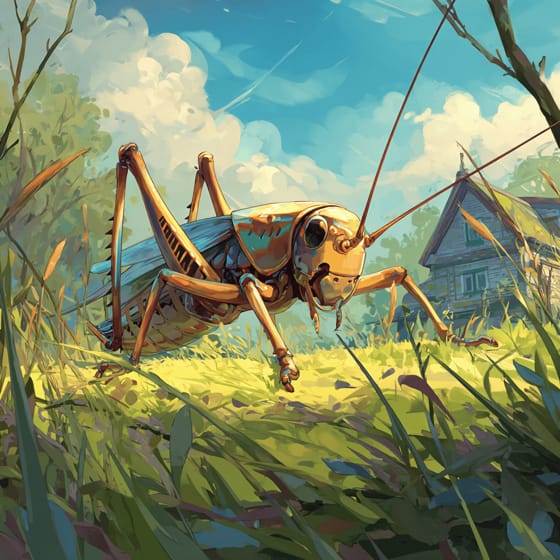
Acheta domesticus
Actively pursued and captured as a primary food source.
Musca domestica
A frequent target for these agile, ground-dwelling hunters.
Solitary animals live alone for most of their lives, only interacting with others for mating or parental care.
Camouflaged describes organisms that possess coloring or patterns that allow them to blend into their environment.
Colorful describes organisms or objects displaying a wide range of bright and distinct colors.
Grassland habitats are terrestrial biomes dominated by grasses and herbaceous plants, supporting a variety of grazing animals.

This trait identifies organisms whose diet consists entirely or primarily of animal tissue.

This trait identifies organisms that exhibit exceptional swiftness in movement for hunting, escape, or travel.
No aliases listed yet.
Danger
1/5 · Very low
If you see a spider, it's best to watch it from a distance and not touch it.
The easiest way to identify Thin-legged Wolf Spiders is to use the Snappit nature identifier app.
3-10 mm
365-730 days
These agile hunters primarily eat tiny insects and other small invertebrates.
Grasslands
Pursuit
8
Zoom in to split clusters and explore where this object has been snapped.
Recent snaps will appear here as new observations are added.
Take the discovery with you
Snap it with Snappit to identify it, learn what makes it special, and add the discovery to your collection.










.jpg&width=800)



