





Three-banded Scoliid Wasp
Dielis trifasciata
The Three-banded Scoliid Wasp is a special insect with bright colors and three bold bands on its body. It loves to fly around flowers and is important for helping plants grow.
Habitat: Grasslands
The Three-banded Scoliid Wasp has a stout, fuzzy black body, often with a reddish-orange head and legs. Its dark, smoky wings feature a metallic blue sheen, setting it apart. The most distinctive feature is the three bright yellow bands across its abdomen.
Category
InsectsRarity
Common
Danger
2/5 · Low
Snaps
Be the first to snap!
After stinging prey, the wasp lays a single egg on it, providing food for her larva.
Female wasps find beetle grubs hidden underground using incredible scent-detection skills!
These fuzzy, dark wasps are often mistaken for large, furry bees due to their appearance!
They are "solitary" wasps, meaning each female builds a nest and raises her young alone.
Three-banded Scoliid Wasp can expertly locate beetle grubs underground because of its keen sense of smell, vital for its larvae's survival.
Three-banded Scoliid Wasp has a hairy body that helps them carry pollen between flowers, making them accidental plant helpers.
Three-banded Scoliid Wasp can deliver a paralyzing sting to its prey, rendering large beetle grubs immobile for its offspring.
Adults drink flower nectar, while their young develop by eating beetle grubs found underground.
Age differences: Adults feed on flower nectar, while larvae are parasitic on large beetle grubs found underground.
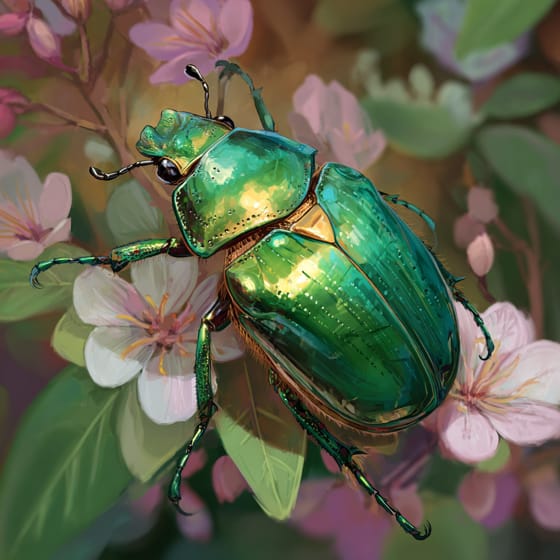
Popillia japonica
Larvae parasitize grubs of this invasive beetle.
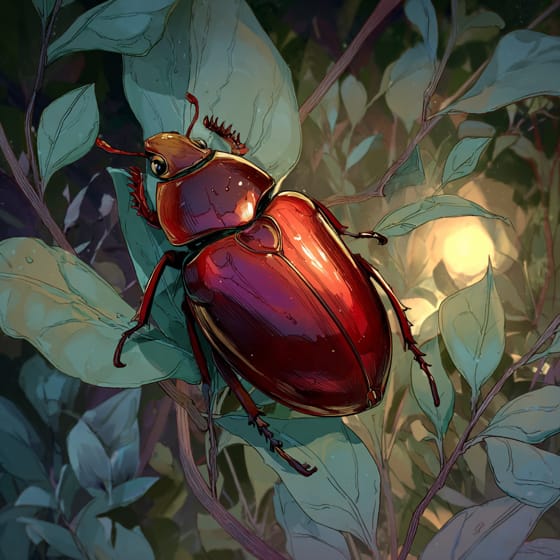
Phyllophaga fusca
Female wasps lay eggs on these native beetle grubs.
Solidago canadensis
Adults feed on nectar and collect pollen from these flowers.
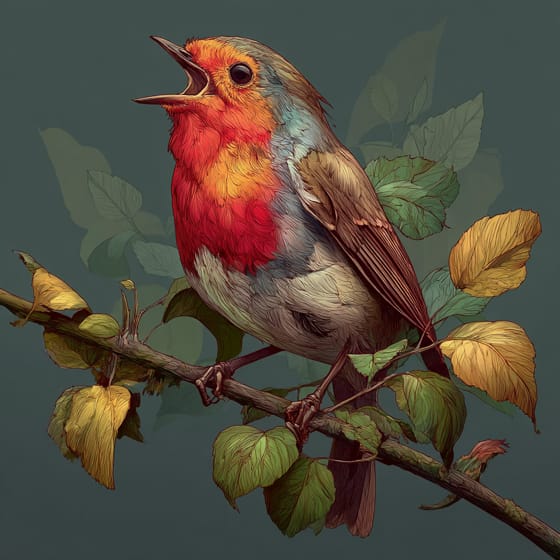
Turdus migratorius
Birds like robins may prey on adult wasps.
Marked with parallel bands or lines of color.
Solitary animals live alone for most of their lives, only interacting with others for mating or parental care.
Colorful describes organisms or objects displaying a wide range of bright and distinct colors.
Grassland habitats are terrestrial biomes dominated by grasses and herbaceous plants, supporting a variety of grazing animals.

This trait identifies organisms whose diet primarily consists of insects and other small invertebrates.

Describes plants that are particularly attractive and beneficial to a wide range of pollinating organisms.

Diurnal animals are primarily active during daylight hours, typically resting or sleeping at night.

Describes a species whose presence and role have a disproportionately large effect on its environment.

Describes organisms that transfer pollen, enabling the fertilization and reproduction of plants.
No aliases listed yet.
Danger
2/5 · Low
If you see a wasp, watch it from a distance and don't try to touch it.
The easiest way to identify Three-banded Scoliid Wasp is to use the Snappit nature identifier app.
30-50 mm
15-25 mm
30-60 days
Adults drink flower nectar, while their young develop by eating beetle grubs found underground.
Grasslands
Foraging
6
Zoom in to split clusters and explore where this object has been snapped.
Recent snaps will appear here as new observations are added.
Take the discovery with you
Snap it with Snappit to identify it, learn what makes it special, and add the discovery to your collection.







.jpg&width=800)


