





Tridax Daisy
Tridax procumbens
The Tridax Daisy is a cheerful flower with bright yellow petals and a sunny center. It grows close to the ground and loves to bloom in warm places, making gardens and fields look beautiful.
Habitat: Urban areas
The Tridax Daisy has small, cheerful daisy-like flowers with a bright yellow center and typically three-lobed white or cream ray petals. Its stems are often hairy, and the leaves are deeply lobed or toothed, forming dense mats of foliage.
Category
PlantsRarity
Common
Danger
1/5 · Very low
Snaps
1
Did you know it’s sometimes called 'Coat Buttons' because its flower heads look like small buttons?
Its seeds have tiny parachutes, helping them fly far like dandelion seeds!
The Tridax Daisy's name comes from Greek, meaning 'three-toothed,' for its petal shape!
This plant is so good at surviving, it can even grow on bare rocks or pavement cracks!
Tridax Daisy can launch its seeds with fluffy parachutes, letting them travel far on the wind to find new homes.
Tridax Daisy has amazing resilience, regrowing from stem pieces to quickly cover ground, even after being cut.
Tridax Daisy leaves contain special compounds that help speed up wound healing and stop bleeding.
Tridax Daisy can tolerate dry conditions, staying green when many other plants wilt away.
Apis mellifera
collects nectar and pollen
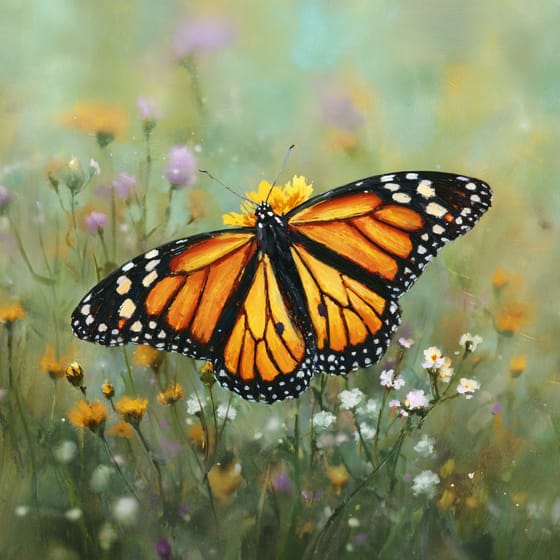
Danaus plexippus
visits flowers for nectar
Phytomyza horticola
larvae create tunnels in leaves
Flowering plants are any plants that produce flowers as part of their reproductive cycle.
Everblooming plants produce flowers continuously or in repeated flushes over a long period.
Medicinal plants possess chemical compounds that can be used for therapeutic purposes to treat illnesses or maintain health.
Drought-tolerant plants can survive and flourish in conditions with limited water availability.

Colorful describes organisms or objects displaying a wide range of bright and distinct colors.

Describes plants that are particularly attractive and beneficial to a wide range of pollinating organisms.

Rapid growing plants exhibit accelerated growth rates, quickly increasing in size and biomass within a short period.

This habitat trait indicates species that can coexist with humans in urban and suburban environments, utilizing man-made structures and green spaces.
No aliases listed yet.
Danger
1/5 · Very low
Always look but don't touch flowers without asking an adult.
The easiest way to identify Tridax Daisy is to use the Snappit nature identifier app.
10-60 cm
20-80 cm
1-3 cm
Year-round
Yes
None
Perennial
Zoom in to split clusters and explore where this object has been snapped.
Take the discovery with you
Snap it with Snappit to identify it, learn what makes it special, and add the discovery to your collection.









.jpg&width=800)



_001.jpg&width=800)




