





trifoliate orange
Citrus trifoliata
The trifoliate orange is a special plant with three leaflets on each leaf! It has bright orange fruits that are very sour. This plant is often used as a hedge and can grow tall and bushy.
Habitat: Urban areas
The trifoliate orange is a thorny deciduous shrub or small tree with distinct three-part (trifoliate) leaves. Its white, fragrant flowers appear in spring, followed by small, fuzzy, golf ball-sized fruits that turn yellow in fall.
Category
PlantsRarity
Common
Danger
2/5 · Low
Snaps
6
Farmers use its roots to grow tougher types of oranges and lemons.
It's the only citrus plant that loses its leaves in winter!
Its incredibly bitter fruits are sometimes used to make marmalade.
This plant's scientific name means "three-leaved citrus," for its unique leaves.
Trifoliate orange can survive freezing temperatures that would kill most citrus, thanks to unique adaptations in its sap.
This plant has long, sharp thorns to defend its branches and leaves from hungry animals trying to munch on it.
Trifoliate orange has unusual three-part leaves, different from other citrus, helping it adapt to colder climates.
Its small, fuzzy fruits contain a very bitter oil, deterring most animals from eating them and protecting its seeds.
Apis mellifera
Visits its fragrant white flowers for nectar.
Papilio cresphontes
Larvae munch on its leaves, like other citrus plants.

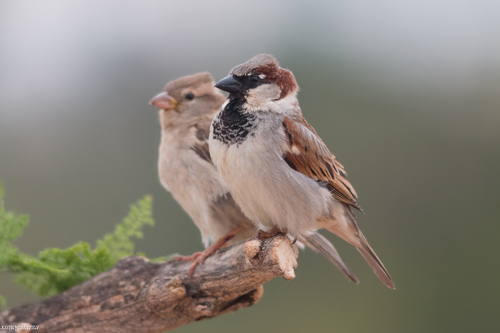
Passer domesticus
Dense, thorny branches provide safe nesting sites.
A shrub is a woody plant smaller than a tree, typically with multiple stems branching from or near the ground.
Cold hardy plants are able to withstand low temperatures and freezing conditions without significant damage.
Evergreen plants retain their foliage throughout the year, never shedding all their leaves at once.
Fruit-bearing plants produce fruits, which are the mature ovaries of flowering plants containing seeds.

A fruit tree is a perennial tree that produces fruit, which is edible to humans or animals.

Possessing sharp, pointed projections or spines on the body or surface.

This habitat trait indicates species that can coexist with humans in urban and suburban environments, utilizing man-made structures and green spaces.
No aliases listed yet.
Danger
2/5 · Low
Be careful of the sharp thorns when getting close to this plant!
The easiest way to identify trifoliate orange is to use the Snappit nature identifier app.
100-300 cm
150-250 cm
2-4 cm
Spring
No
Mild
Perennial
Zoom in to split clusters and explore where this object has been snapped.

Pennsylvania, US
You might spot American Robin, Red-Winged Blackbird, and Lesser Celandine.
View guide →
Pennsylvania, US
You might spot House Sparrow, Spotted Lanternfly, and American Robin.
View guide →

Pennsylvania, US
You might spot Eastern Tiger Swallowtail and Slowpoke Moth.
View guide →

Louisiana, US
You might spot Heavenly Bamboo, Rio Grande Copper Lily, and Ballmoss.
View guide →

Delaware, US
You might spot American Toad, Eastern Tiger Swallowtail, and Red Fox.
View guide →

Pennsylvania, US
You might spot House Sparrow, Spotted Lanternfly, and American Robin.
View guide →
Take the discovery with you
Snap it with Snappit to identify it, learn what makes it special, and add the discovery to your collection.









.jpg&width=800)



_001.jpg&width=800)



