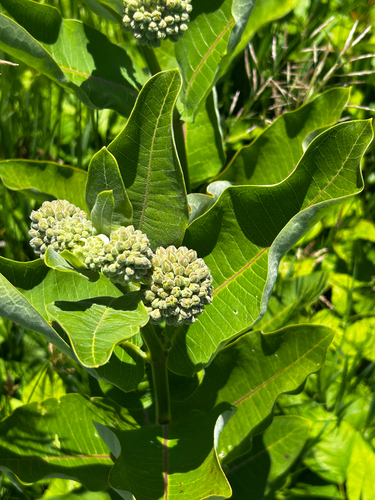
American Toad

Mt. Cuba Center showcases the beauty and value of native plants. This exceptional botanical garden and conservation organization in Hockessin, Delaware, is dedicated to inspiring appreciation for Mid-Atlantic native flora and promoting the protection of their natural habitats. Spanning over 1,000 acres, it masterfully blends cultivated gardens with expansive natural lands, serving as a leading resource for horticultural research and public education.
Visitors can explore a diverse tapestry of landscapes, from meticulously designed formal gardens to enchanting naturalistic woodlands, picturesque meadows, and tranquil ponds. Key areas include the historic Lilac Allée, a fragrant pathway leading to the Formal Gardens, the charming Round Garden with its unique Maltese cross-shaped pool, and the vibrant South Garden featuring native plants adapted to the region. The Woods Path offers a serene journey beneath a canopy of mature trees, highlighting woodland plants like Oakleaf Hydrangea (*Hydrangea quercifolia*) and Black Bugbane (*Actaea racemosa*), while the renowned Trial Garden showcases top-performing native species such as various *Echinacea*, *Phlox*, and *Baptisia* cultivars, evaluated for both ornamental appeal and ecological benefits.
Mt. Cuba Center is more than just a beautiful garden; it's a living laboratory and a beacon for environmental stewardship. It inspires home gardeners to embrace native plants, which support local ecosystems and wildlife, including vital pollinators. Whether you're a seasoned horticulturist, a nature enthusiast, or simply seeking a peaceful escape, Mt. Cuba Center provides a memorable experience that educates, captivates, and fosters a deeper connection to the natural world. Eager to name that creature? Identify any animal you find during your visit using the Snappit app.
Mt. Cuba Center began as the private estate of Lammot du Pont Copeland and his wife, Pamela Cunningham Copeland, who acquired the land in Hockessin, Delaware, in 1935. They commissioned the Colonial Revival-style manor house and initially established formal gardens designed by Thomas Sears and later Marian Coffin. In the 1960s, the Copelands' interest shifted toward native plants of Eastern North America, particularly those of the Appalachian Piedmont region. With landscape architect Seth Kelsey, they expanded the gardens into naturalistic woodlands, developing ponds and winding paths. Pamela Copeland continued to champion native flora, and following her death in 2001, the property transitioned into a non-profit public botanical garden, officially opening for general admission in 2013, fulfilling her vision of promoting native plants and conservation. The estate was added to the National Register of Historic Places in 2003.
Wander through the various garden rooms, hike nearly three miles of trails through the natural lands, observe native wildlife and pollinators, attend an educational program or event, and enjoy a picnic on the grounds.
Spring (April-May): Witness carpets of blooming spring ephemerals, including numerous species of *Trillium*, Virginia Bluebells, and Quaker Ladies. The Lilac Allée is particularly fragrant. Keep an eye out for tadpoles in the ponds.
Summer (June-August): Enjoy the vibrant greens of mature trees and shrubs, with highlights like Oakleaf Hydrangea and various coneflowers in bloom. Evening events like "Twilight on the Terrace" offer a chance to experience the gardens at dusk with live music.
Fall (September-November): The landscape transforms with brilliant fall foliage. Late-season native plants like goldenrods provide color and support pollinators before winter.
Winter (December-March): The gardens are closed for general admission, but educational classes and workshops are offered year-round.
Mt. Cuba Center is committed to improving accessibility. While some naturalistic areas have uneven, mulched paths, the Formal Gardens, Trial Garden, and parts of the Woods Path now feature paved and hardscaped surfaces, providing ADA-accessible routes. Golf cart transportation to select locations is available upon request. Wheelchairs, canes, walkers, walking sticks, and sensory bags are available for use at the Ticketing Office. Accessible parking is available, and restrooms on the main floor are wheelchair-friendly, including family-sized and all-gender options.
Featuring the historic Lilac Allée, the South Terrace, and the Round Garden with its distinct Maltese cross pool.
Explore winding paths through areas like the Woods Path and Dogwood Path, showcasing diverse understory trees, shrubs, and wildflowers.
Serene water features and open spaces that attract wildlife.
See which native plants, such as *Echinacea*, *Phlox*, *Amsonia*, *Coreopsis*, and *Baptisia*, perform best in the Mid-Atlantic region.
Each card links to a full Explore page with photos, traits, and fun facts.











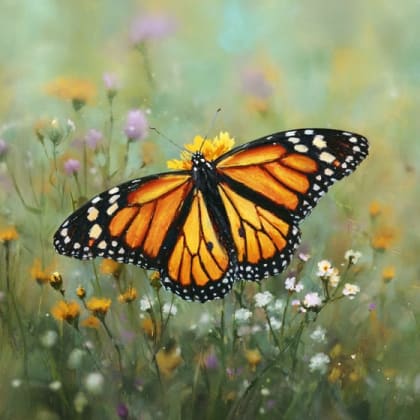

















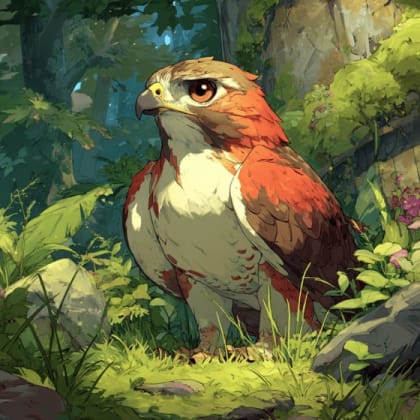
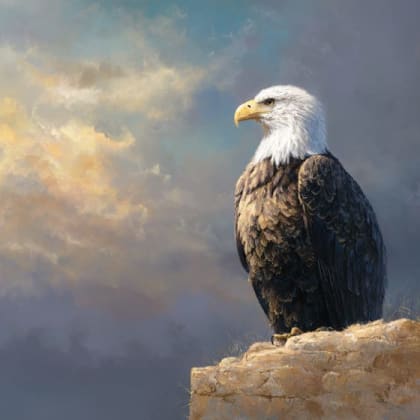







Start with the big picture, then zoom in to explore individual wildlife observations around this place.
Wear comfortable shoes
** Many paths are extensive, and some naturalistic trails can be uneven or steep.
Bring a reusable water bottle
Water filling stations are available, and bringing your own helps support their conservation efforts.
Pack a picnic
While light refreshments are available, you are welcome to bring your own food and enjoy it in designated picnic areas or on the lawns.
Check the website before your visit
Information on seasonal blooms, events, and any specific accessibility updates is regularly provided.
Consider sunscreen and insect repellent
Especially if exploring the more naturalistic trails.
Take advantage of available aids
Wheelchairs, canes, and sensory bags can be requested at the Ticketing Office to enhance your visit.
Jun 3, 2026
Photo attribution
(c) Chip, some rights reserved (CC BY)
License: CC BY 4.0 ↗
Image may be shown cropped inside the card frame.
Jun 20, 2026
Jun 19, 2026
Jun 19, 2026
Jun 18, 2026

Maryland, US
You might spot White-Tailed Deer and Eastern Gray Squirrel.
View guide →
.jpg)
District of Columbia, US
You might spot Eastern Gray Squirrel, Duck, and House Sparrow.
View guide →

Illinois, US
You might spot American Robin, Canada Goose, and House Sparrow.
View guide →

Virginia, US
You might spot Spotted Lanternfly and Northern Cardinal.
View guide →
Take the discovery with you
Identify the wildlife you spot, learn as you go, and keep a collection of the adventure.