





Tuberous Grasspink
Calopogon tuberosus
The Tuberous Grasspink is a beautiful flower that blooms in pink and purple colors. It loves to grow in wet areas like marshes and meadows, making them look extra pretty in springtime.
Habitat: Wetlands
The Tuberous Grasspink has slender, grass-like leaves emerging from the base and a tall stem topped with vibrant magenta-pink flowers. Each bloom features a distinctive fuzzy, yellow 'beard' on its lowest petal, making it stand out from other wildflowers.
Category
PlantsRarity
Common
Danger
1/5 · Very low
Snaps
4
Its flowers are like a clever trap, offering no nectar but still getting bees to visit!
Native Americans once cooked and ate its starchy tubers, similar to potatoes!
The fuzzy 'beard' on its petal is a fake pollen mimic, fooling bees into pollinating!
Unlike most orchids, this one loves to sunbathe in open, wet meadows and bogs!
Tuberous Grasspink has bright, showy flowers that trick bees into pollinating it without offering any nectar, saving energy.
Tuberous Grasspink has starchy, edible tubers that store energy, helping it survive harsh conditions and regrow each year.
Tuberous Grasspink can thrive in open, sunny wetlands, an unusual habitat preference for many delicate orchid species.

Bombus impatiens
Tricked into moving pollen!
Lasioglossum calceatum
Visits flowers, seeking pollen.
Microtus pennsylvanicus
May consume its starchy tubers.
Flowering plants are any plants that produce flowers as part of their reproductive cycle.
Spring blooming plants produce their flowers during the spring season, often signifying the end of winter and the start of new growth.
Fragrant flowers emit a pleasant aroma, often to attract pollinators or for defense.
Colorful describes organisms or objects displaying a wide range of bright and distinct colors.

Describes plants that are particularly attractive and beneficial to a wide range of pollinating organisms.

This habitat trait identifies species found in wetlands, which are areas of land saturated with water, either permanently or seasonally, including marshes, swamps, and bogs.
No aliases listed yet.
Danger
1/5 · Very low
Always look at flowers but don't pick them, as they help nature stay beautiful.
The easiest way to identify Tuberous Grasspink is to use the Snappit nature identifier app.
15-70 cm
10-15 cm
2-5 cm
Late spring to mid-summer
Yes
None
Perennial
Zoom in to split clusters and explore where this object has been snapped.
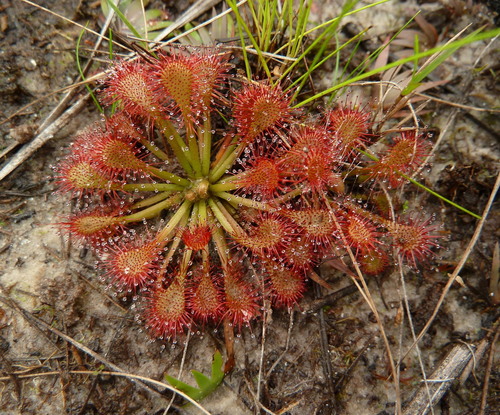
Florida, US
You might spot Pink Sundew, Drooping Forked Fern, and Netted Pawpaw.
View guide →

Florida, US
You might spot Gorilla and Reticulated Giraffe.
View guide →

Wisconsin, US
You might spot Western Bog Laurel and Purple Pitcher Plant.
View guide →

Indiana, US
You might spot Sweetfern, Blue-Spotted Salamander, and Sensitive Fern.
View guide →
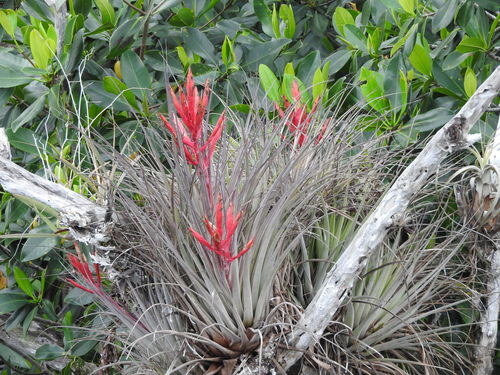
Florida, US
You might spot Tillandsia Fasciculata, Red Mangrove, and Giant Airplant.
View guide →
Take the discovery with you
Snap it with Snappit to identify it, learn what makes it special, and add the discovery to your collection.








.jpg&width=800)


_001.jpg&width=800)




