





Tupinambis rufescens
Tupinambis rufescens
The Red Tegu is a colorful lizard that loves to bask in the sun. With its bright red and black scales, it looks like a little dragon! They are friendly and can even recognize their owners.
Habitat: Grasslands
The Tupinambis rufescens is a large, sturdy lizard with a distinctive reddish-orange head and neck that can deepen in color with age or mood. Its body is typically patterned with darker bands or spots over a grey-brown base, sometimes extending to the tail.
Category
ReptilesRarity
Common
Danger
2/5 · Low
Snaps
Be the first to snap!
A Red Tegu's incredibly strong jaws can crack open snail shells and hard eggs!
Red Tegus can recognize their human caretakers and respond to their names!
These lizards sometimes eat rotten fruit, which helps spread seeds around their habitat.
They enter a deep "brumation" sleep during colder months, similar to hibernation.
Tupinambis rufescens can dig extensive burrows using strong claws, providing shelter from predators and harsh weather.
Tupinambis rufescens has a powerful tail that helps them deter predators by delivering a painful, whip-like strike.
Tupinambis rufescens can slightly raise its body temperature, acting like a warm-blooded animal when needed.
Tupinambis rufescens can learn and adapt to new situations, showing problem-solving skills in its environment.
These omnivores enjoy a varied diet of insects, fruits, eggs, and even small animals.
Boa constrictor
Young tegus can be prey for large snakes.
Cavia aperea
Adult tegus prey on rodents like guinea pigs.
Caracara plancus
Birds of prey sometimes hunt juvenile tegus.
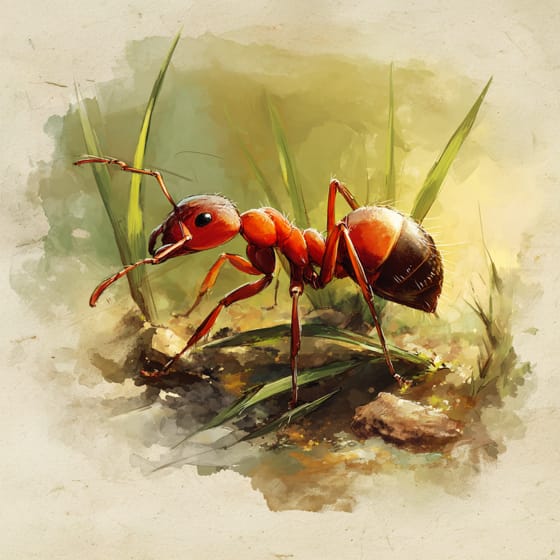
Solenopsis invicta
Tegus consume various insects, including ants.
Social animals live in organized groups, cooperating for survival benefits such as foraging, defense, and raising offspring.
This trait identifies organisms whose diet includes both plant and animal matter.
Burrowing animals dig tunnels and chambers in the ground, using these subterranean structures for shelter, hunting, or breeding.
Colorful describes organisms or objects displaying a wide range of bright and distinct colors.

Grassland habitats are terrestrial biomes dominated by grasses and herbaceous plants, supporting a variety of grazing animals.

Diurnal animals are primarily active during daylight hours, typically resting or sleeping at night.
Danger
2/5 · Low
Always watch from a distance and don't try to touch wild lizards.
The easiest way to identify Tupinambis rufescens is to use the Snappit nature identifier app.
90-140 cm
2.5-7 kg
15-20 years
20 km/h
These omnivores enjoy a varied diet of insects, fruits, eggs, and even small animals.
Grasslands
Foraging
Zoom in to split clusters and explore where this object has been snapped.
Recent snaps will appear here as new observations are added.
Take the discovery with you
Snap it with Snappit to identify it, learn what makes it special, and add the discovery to your collection.












