





twoleaf nightshade
Solanum diphyllum
Twoleaf nightshade is a unique plant with two leaves growing from each stem. It produces small, purple flowers and can be found in shady areas. It's a special plant that adds beauty to the forest floor!
Habitat: Forests
The twoleaf nightshade is a small, bushy shrub with dark green leaves often growing in distinct pairs along its stems. It produces tiny white or pale purple star-shaped flowers that develop into round berries. These berries change dramatically from green to bright yellow, and sometimes orange or red as they ripen.
Category
PlantsRarity
Common
Danger
2/5 · Low
Snaps
Be the first to snap!
Birds love to eat its ripe, colorful berries, helping spread its seeds far and wide.
Even though it's called "twoleaf," its leaves actually grow in pairs along the stem!
Its fruits transform from green to bright yellow, then sometimes orange or red as they ripen!
This plant is a relative of potatoes, tomatoes, and even chili peppers!
Twoleaf nightshade produces toxic compounds in its leaves and unripe fruits to deter animals from eating it.
Its fruits ripen from green to bright yellow or red, signaling to birds that they are ready to be eaten and seeds dispersed.
Twoleaf nightshade can thrive in disturbed soils and various light conditions, helping it colonize new areas quickly.
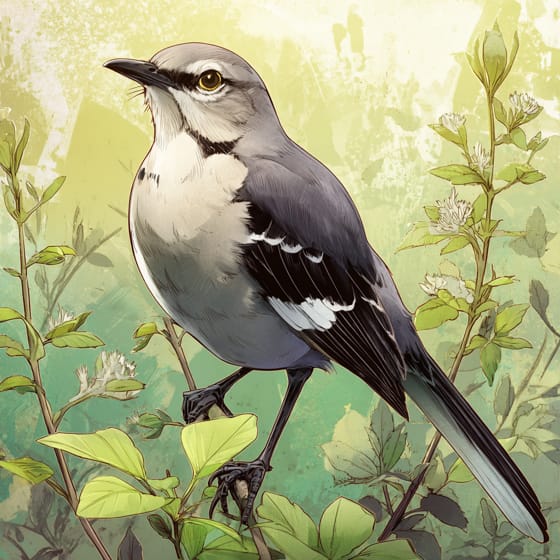
Mimus polyglottos
eats ripe berries, dispersing seeds
Apis mellifera
collects nectar and pollen from flowers
Atta cephalotes
cuts leaves for their fungus gardens
Flowering plants are any plants that produce flowers as part of their reproductive cycle.
Shade tolerant plants are adapted to grow and thrive in areas with low light levels, requiring less direct sunlight.
Medicinal plants possess chemical compounds that can be used for therapeutic purposes to treat illnesses or maintain health.
Colorful describes organisms or objects displaying a wide range of bright and distinct colors.

Edible plants are those parts of a plant that are considered safe for human consumption.

Describes plants that are particularly attractive and beneficial to a wide range of pollinating organisms.

Forest habitats are terrestrial environments dominated by dense tree cover, supporting a high diversity of plant and animal life.
No aliases listed yet.
Danger
2/5 · Low
Do not touch or eat any plants without asking an adult first, as some can be harmful.
The easiest way to identify twoleaf nightshade is to use the Snappit nature identifier app.
30-100 cm
30-60 cm
1-2 cm
Spring to Fall
No
High
Perennial
Zoom in to split clusters and explore where this object has been snapped.
Recent snaps will appear here as new observations are added.
Take the discovery with you
Snap it with Snappit to identify it, learn what makes it special, and add the discovery to your collection.







.jpg&width=800)



_001.jpg&width=800)


