





woolgrass
Scirpus cyperinus
Woolgrass is a soft, fluffy plant that grows in wet areas like marshes. Its tall, green stems and fuzzy tops make it look like it's wearing a cozy hat!
Habitat: Wetlands
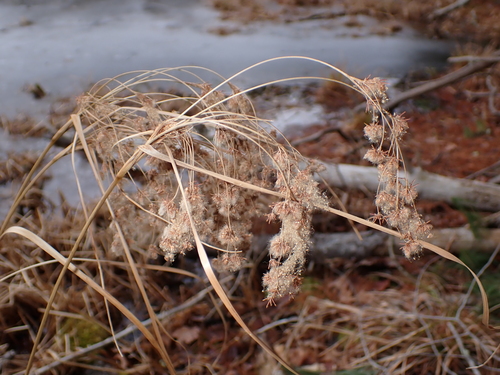
The woolgrass has slender, triangular stems topped with fluffy, reddish-brown to cinnamon-colored seed heads that resemble cotton or wool. Its narrow, grass-like leaves are typically green, forming dense clumps and stands.
Category
PlantsRarity
Common
Danger
1/5 · Very low
Snaps
4
Believe it or not, woolgrass can grow happily with its 'feet' soaking wet in water!
Its fluffy seed heads were once used by Native Americans as tinder to start fires!
Many tiny insects lay their eggs safely tucked away within its dense foliage!
When mature, its seed heads are so soft they feel just like a sheep's wool!
Woolgrass can filter excess nutrients from wetlands, keeping the water clean for other creatures.
Woolgrass has strong roots that hold wetland soil in place, preventing erosion during floods.
Its dense clumps provide safe hiding spots for small animals and insects in marshy areas.
Anas platyrhynchos
Mallard ducks eat its nutritious seeds.
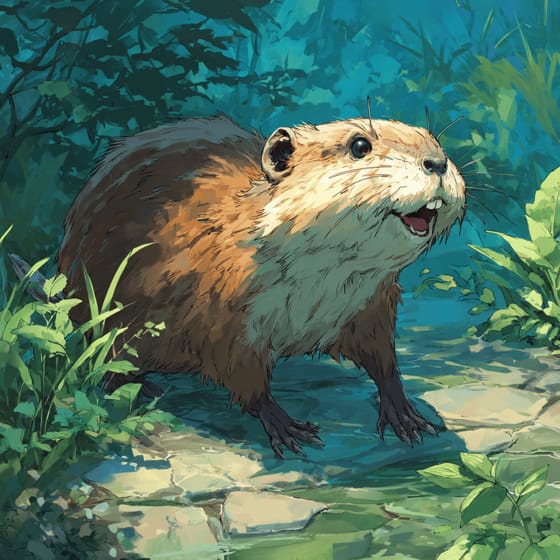
Ondatra zibethicus
Muskrats feed on the base of its stems and rhizomes.
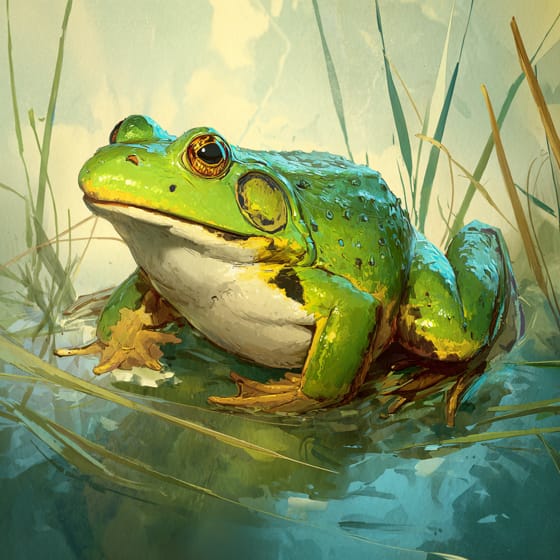
Lithobates clamitans
Green frogs hide among its dense stems from predators.
Lestes rectangularis
Damselflies perch on its leaves while hunting other insects.
Flowering plants are any plants that produce flowers as part of their reproductive cycle.
Grass-like plants are herbaceous plants that visually resemble true grasses, typically having long, narrow leaves.
This human use trait identifies species that yield natural fibers, used by humans for textiles, rope, paper, and other manufactured goods.
Describes plants that are particularly attractive and beneficial to a wide range of pollinating organisms.

Rapid growing plants exhibit accelerated growth rates, quickly increasing in size and biomass within a short period.

Describes organisms that break down dead organic material, recycling nutrients back into the ecosystem.

This habitat trait identifies species found in wetlands, which are areas of land saturated with water, either permanently or seasonally, including marshes, swamps, and bogs.
No aliases listed yet.
Danger
1/5 · Very low
Always stay on paths when exploring wetlands to protect plants and animals.
The easiest way to identify woolgrass is to use the Snappit nature identifier app.
90-180 cm
30-60 cm
Summer, Fall
No
None
Perennial
Wind
Zoom in to split clusters and explore where this object has been snapped.
Jan 14, 2026
Stony Brook Wildlife SanctuaryPhoto attribution
(c) John Baur, some rights reserved (CC BY)
License: CC BY 4.0 ↗
Image may be shown cropped inside the card frame.

Georgia, US
You might spot Bay-Breasted Warbler and Eastern Diamondback Rattlesnake.
View guide →

New York, US
You might spot Common Eastern Bumble Bee and American Robin.
View guide →
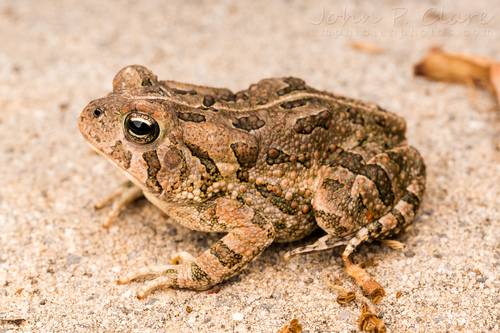
Arkansas, US
You might spot Fowler's Toad, Anole, and Eastern Lubber Grasshopper.
View guide →
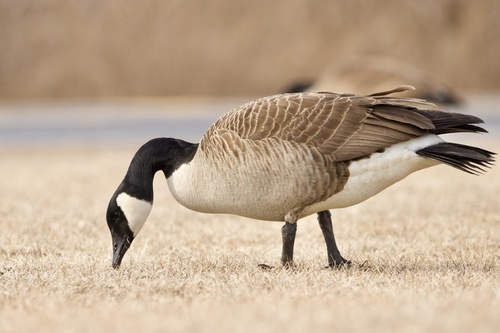
Massachusetts, US
You might spot Canada Goose and Downy Woodpecker.
View guide →

Pennsylvania, US
You might spot Grey Alder, Sensitive Fern, and Interrupted Clubmoss.
View guide →
Take the discovery with you
Snap it with Snappit to identify it, learn what makes it special, and add the discovery to your collection.








.jpg&width=800)



_001.jpg&width=800)




