



Beach Sheoak
Casuarina equisetifolia
The Beach Sheoak is a tall tree that grows near the beach. It has long, thin leaves that look like needles and can provide shade on sunny days. This tree is great for helping to keep the sand in place!
Habitat: Coastal areas
The Beach Sheoak has drooping, wispy, green branchlets that look like pine needles but are actually its stems. Its bark is rough, grey-brown, and it produces small, woody, cone-like fruits that are actually hardened flower clusters. These features make it visually distinct from true pine trees.
Category
PlantsRarity
Common
Danger
1/5 · Very low
Snaps
6
Indigenous Australians used its bark for medicine and its strong wood for tools.
Its 'leaves' are actually tiny green branchlets that can whistle in the wind!
The woody 'cones' are actually hardened female flower clusters, not true cones.
This tree is sometimes called 'Australian pine' because its wispy branches look like pine needles.
Beach Sheoak can grow in salty soil and withstand sea spray, helping it thrive right by the ocean.
Beach Sheoak has special root partners that turn air nitrogen into plant food, allowing it to grow in poor sandy soils.
Beach Sheoak has a strong, deep root system that helps hold sand in place, protecting beaches from erosion.
Beach Sheoak has flexible, drooping branchlets that bend with strong coastal winds, preventing damage.
Metanastria hyrtaca
Larvae feed on its branchlets.
Myiagra rubecula
Builds nests among its branches.
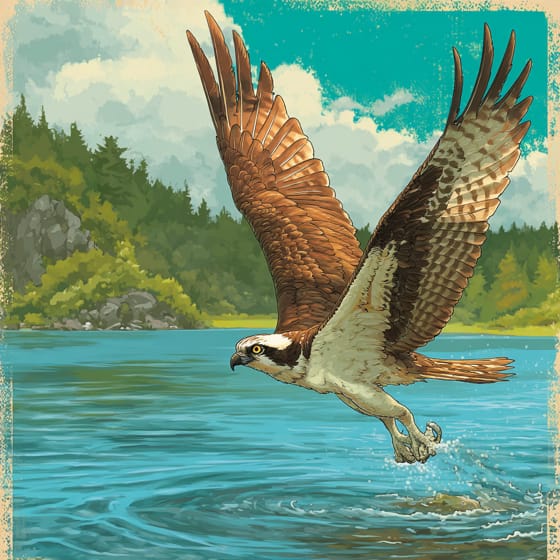
Pandion haliaetus
Builds nests in tall Casuarina trees.
Describes organisms capable of converting atmospheric nitrogen into compounds usable by plants.
Coniferous plants are typically evergreen, bearing needles or scales and reproductive cones.
Evergreen plants retain their foliage throughout the year, never shedding all their leaves at once.
Describes plants that are particularly attractive and beneficial to a wide range of pollinating organisms.

Coastal habitats are dynamic environments located along the interface between land and sea, influenced by tides, waves, and saltwater.

Describes a species whose presence and role have a disproportionately large effect on its environment.
No aliases listed yet.
Danger
1/5 · Very low
Stay away from the tree's sharp needles and be careful when playing near the beach.
The easiest way to identify Beach Sheoak is to use the Snappit nature identifier app.
600-3500 cm
500-1000 cm
Spring to Summer
No
None
Perennial
Wind
Zoom in to split clusters and explore where this object has been snapped.

Hawaii, US
You might spot Brown Anole, Gold Dust Day Gecko, and Red-Crested Cardinal.
View guide →
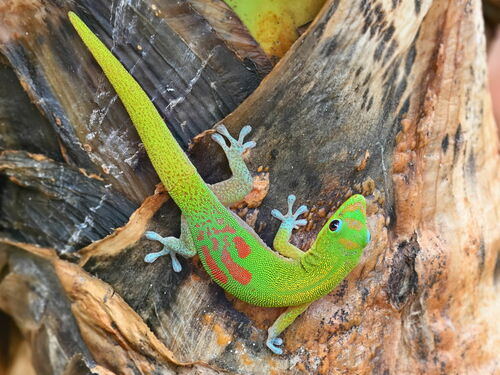
Hawaii, US
You might spot Gold Dust Day Gecko, Sea Turtle, and Brown Anole.
View guide →

Hawaii, US
You might spot 'āhinahina, Jackson's Chameleon, and Sea Turtle.
View guide →

Hawaii, US
You might spot 'āhinahina, Jackson's Chameleon, and Hawaiʻi ʻamakihi.
View guide →

Hawaii, US
You might spot Spathoglottis Plicata, Thatch Screwpine, and Brown Anole.
View guide →

Hawaii, US
You might spot Black-Necked Stilt and Red Junglefowl.
View guide →
Take the discovery with you
Snap it with Snappit to identify it, learn what makes it special, and add the discovery to your collection.









.jpg&width=800)



_001.jpg&width=800)



