





Typical Cicadas
cicadidae
Typical cicadas are known for their loud, buzzing songs that can be heard in the summer. These fascinating insects spend most of their lives underground before emerging to sing and mate.
Habitat: Cicadas are often found in forests, orchards, and gardens.
The Typical Cicadas has a robust, dark body, often with green, brown, or black coloration and prominent, wide-set eyes. Its large, clear, membranous wings are held tent-like over its back, distinctly different from the folded wings of grasshoppers. They can feature striking red or orange veins on their wings.
Category
InsectsRarity
Common
Danger
0/5 · No known danger
Snaps
Be the first to snap!
Cicadas do not sting or bite humans; they are completely harmless to us!
Cicadas shed their skin, leaving behind perfect, empty ghost-like shells on trees!
Some cicada species emerge by the millions, blanketing the ground and trees!
Their super loud songs can be heard from over a mile away on a quiet day!
Typical Cicadas can produce extremely loud sounds because of special ribbed membranes called tymbals that help them attract mates over long distances.
Typical Cicadas has a lengthy nymphal stage where they live underground to safely develop and feed on tree roots.
Typical Cicadas can feed on tree sap by using a strong proboscis to pierce bark and a powerful pump to extract liquids.
Cicada nymphs and adults drink sap from tree roots and branches.
Age differences: Nymphs feed on tree roots underground, adults feed on sap from branches.

Quercus alba
Provides sap for nymphs and adults.
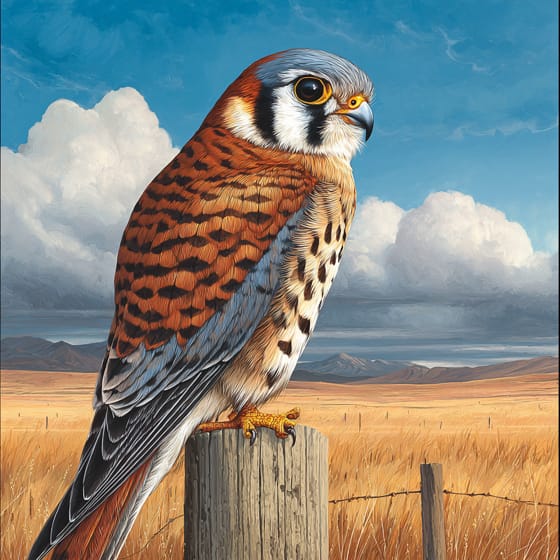
Falco sparverius
Adult cicadas are a seasonal food source for kestrels.
Massospora cicadina
This fungus infects and sterilizes cicadas.
Social animals live in organized groups, cooperating for survival benefits such as foraging, defense, and raising offspring.
Arboreal animals live primarily in trees, utilizing them for shelter, food, and protection from predators.
Colorful describes organisms or objects displaying a wide range of bright and distinct colors.
Diurnal animals are primarily active during daylight hours, typically resting or sleeping at night.

Nocturnal animals are primarily active during the nighttime hours, typically resting or sleeping during the day.
No aliases listed yet.
Danger
0/5 · No known danger
No special safety notes yet.
The easiest way to identify Typical Cicadas is to use the Snappit nature identifier app.
50-100 mm
20-50 mm
730-6205 days
Cicada nymphs and adults drink sap from tree roots and branches.
Cicadas are often found in forests, orchards, and gardens.
Foraging
6
Zoom in to split clusters and explore where this object has been snapped.
Recent snaps will appear here as new observations are added.
Take the discovery with you
Snap it with Snappit to identify it, learn what makes it special, and add the discovery to your collection.








.jpg&width=800)



