





Upland Sandpiper
bartramia longicauda
The Upland Sandpiper is a long-legged bird that loves to run across open fields. With its unique call and beautiful spotted feathers, it's a fun bird to spot in nature!
Habitat: Open grasslands and fields, often near agricultural areas.
The Upland Sandpiper is a medium-sized shorebird with a distinctive small head, large dark eyes, and a long neck on a streaky brown body. Its chest is finely streaked fading to a pale belly, and it has yellowish legs. A unique peaked crown gives its head a triangular appearance.
Category
BirdsRarity
Common
Danger
1/5 · Very low
Snaps
Be the first to snap!
It often perches on fence posts, looking like a tiny, watchful sentinel.
Their nests are simple scrapes on the ground, hidden by dense grass.
These birds arrive on their breeding grounds exactly when grasses are tall!
They eat so many grasshoppers, they help farmers protect their crops.
Upland Sandpiper can locate hidden insects and small prey deep within tall grasses because of its keen eyesight and acute hearing.
Upland Sandpiper has a distinctive, mellow whistle-like call that sounds like a flute, used for communicating over vast distances.
Upland Sandpiper can blend seamlessly into grassy environments thanks to its streaky brown and buff plumage, hiding it from predators.
These birds love munching on insects, especially grasshoppers, found hiding in tall fields!
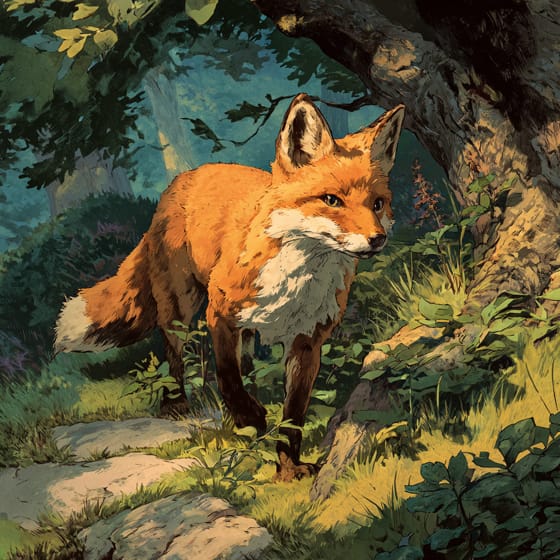
Vulpes vulpes
Foxes prey on their eggs and young in open grasslands.

Melanoplus differentialis
These sandpipers feast on various insects, especially grasshoppers.
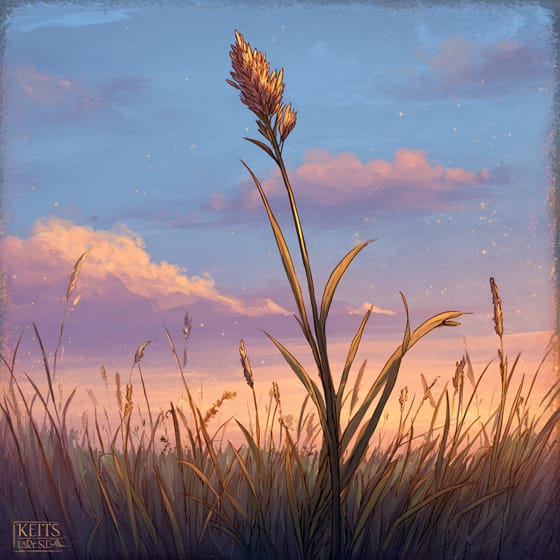
Andropogon gerardii
This native prairie grass provides essential nesting habitat.
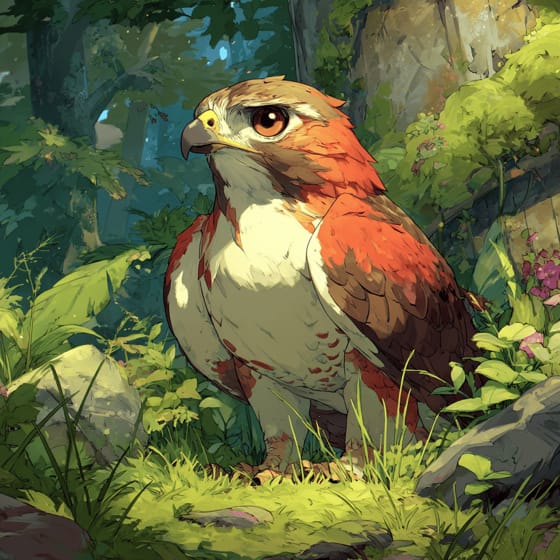
Buteo jamaicensis
Large raptors, like hawks, can prey on adult Upland Sandpipers.
Social animals live in organized groups, cooperating for survival benefits such as foraging, defense, and raising offspring.
Grassland habitats are terrestrial biomes dominated by grasses and herbaceous plants, supporting a variety of grazing animals.
This trait identifies organisms whose diet consists entirely or primarily of animal tissue.
Diurnal animals are primarily active during daylight hours, typically resting or sleeping at night.

Migratory animals undertake seasonal movements from one region to another, typically in response to changes in climate or food availability.
Danger
1/5 · Very low
No special safety notes yet.
The easiest way to identify Upland Sandpiper is to use the Snappit nature identifier app.
28-32 cm
50-55 cm
0.1-0.2 kg
3-10 years
70 km/h
These birds love munching on insects, especially grasshoppers, found hiding in tall fields!
Open grasslands and fields, often near agricultural areas.
Zoom in to split clusters and explore where this object has been snapped.
Recent snaps will appear here as new observations are added.

Nebraska, US
You might spot House Finch, Woodhouse's Toad, and Mourning Dove.
View guide →

Texas, US
You might spot Brewer's Blackbird and Texas Sandsheet Beebalm.
View guide →
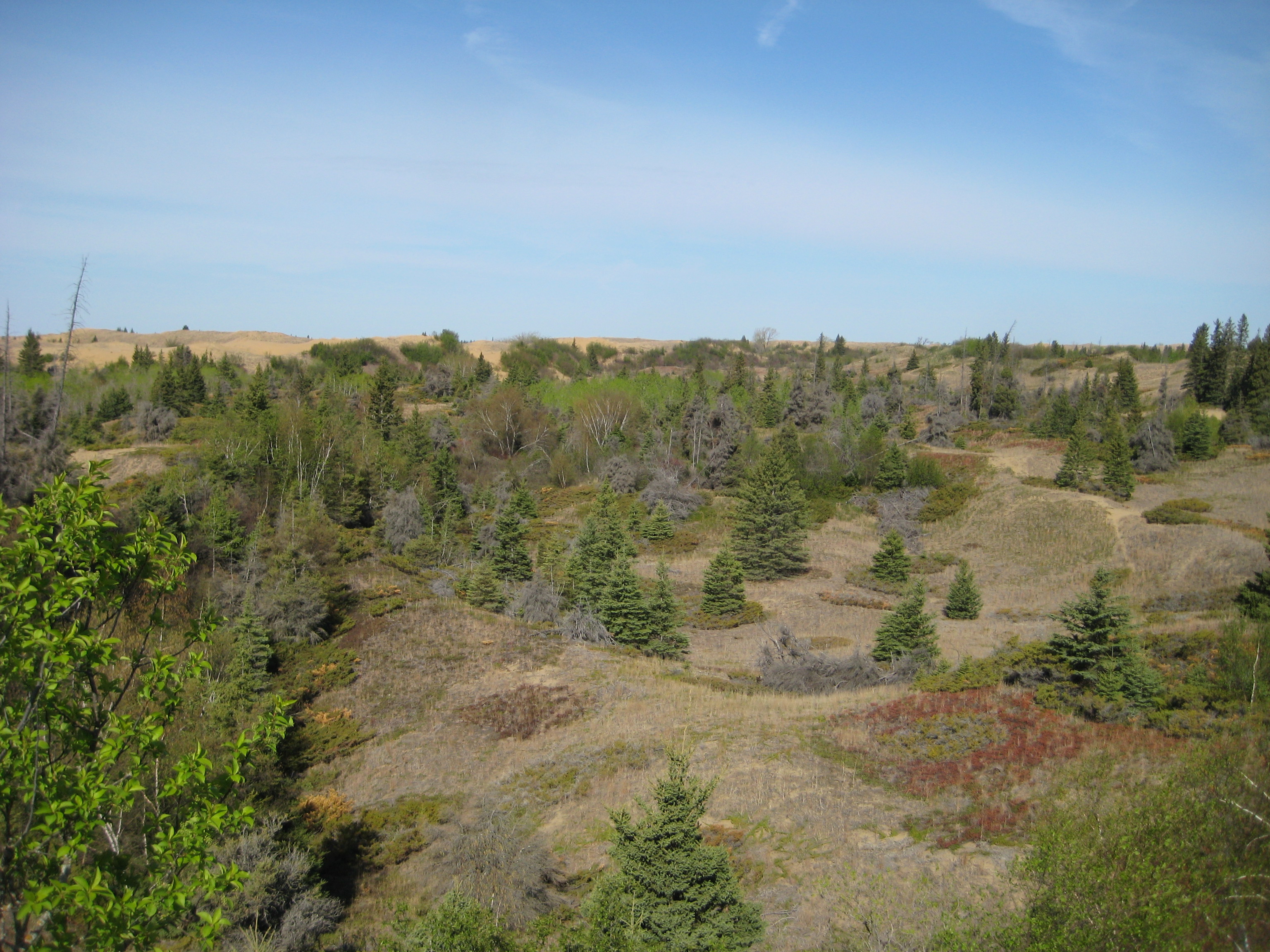
Manitoba, CA
You might spot Prairie Skink, Smooth Greensnake, and Admiral Butterfly.
View guide →
Take the discovery with you
Snap it with Snappit to identify it, learn what makes it special, and add the discovery to your collection.




.jpg&width=800)








