





Red Junglefowl
Gallus gallus
The Red Junglefowl is a colorful bird that is the ancestor of domestic chickens. They have bright red and orange feathers and love to scratch the ground for seeds and insects.
Habitat: Forests
The Red Junglefowl is a vibrant bird with iridescent greenish-black tail feathers and a striking red comb and wattle, especially prominent on males. Males display shiny dark green and coppery-orange plumage, while females are duller brown for camouflage, making them blend into the forest.
Category
BirdsRarity
Common
Danger
1/5 · Very low
Snaps
8
All domestic chickens around the world are descended from the Red Junglefowl!
Junglefowl chicks can run and forage for food almost immediately after hatching!
Males perform a special "tidbitting" dance to show females tasty food.
They use different alarm calls to warn about ground predators versus aerial threats.
Red Junglefowl has dull, mottled brown plumage on females that helps them blend seamlessly into the forest undergrowth, hiding from predators.
Red Junglefowl can burst into short, powerful flights to rapidly escape danger, making them hard to catch in dense vegetation.
Red Junglefowl can expertly scratch and peck through leaf litter to uncover hidden seeds, insects, and fruits from the forest floor.
These forest birds scratch for a variety of seeds, fruits, insects, and small creatures to eat.
Nisaetus cirrhatus
Predatory birds often hunt junglefowl from above.
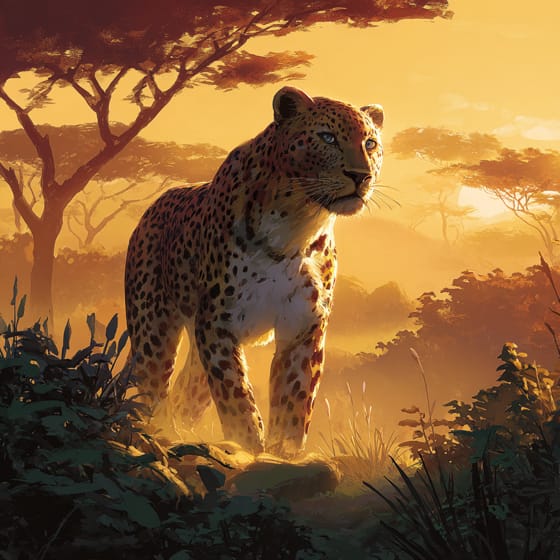
Panthera pardus
Big cats are skilled at ambushing junglefowl.
Ophiophagus hannah
Large snakes can ambush junglefowl nests or adults.
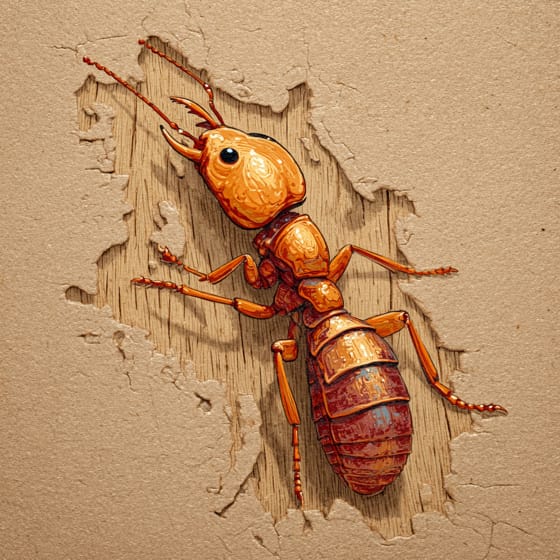
Odontotermes obesus
Junglefowl scratch for and consume termites.
Feathered describes animals, primarily birds, possessing a covering of feathers.
Social animals live in organized groups, cooperating for survival benefits such as foraging, defense, and raising offspring.
This trait identifies organisms whose diet includes both plant and animal matter.
Colorful describes organisms or objects displaying a wide range of bright and distinct colors.

This trait identifies organisms whose diet primarily consists of insects and other small invertebrates.

This trait signifies organisms belonging to a very old evolutionary group with ancestors dating back millions of years.

Forest habitats are terrestrial environments dominated by dense tree cover, supporting a high diversity of plant and animal life.

Diurnal animals are primarily active during daylight hours, typically resting or sleeping at night.
Danger
1/5 · Very low
Watch from a distance and don't try to catch them; they can be scared easily.
The easiest way to identify Red Junglefowl is to use the Snappit nature identifier app.
42-75 cm
40-60 cm
0.7-1.5 kg
5-8 years
48 km/h
These forest birds scratch for a variety of seeds, fruits, insects, and small creatures to eat.
Forests
Zoom in to split clusters and explore where this object has been snapped.

Florida, US
You might spot Anhinga, American Alligator, and Wood Duck.
View guide →

Hawaii, US
You might spot ʻōhiʻa Lehua, Red Junglefowl, and Red-Crested Cardinal.
View guide →

US
You might spot Brown Anole, Peters's Rock Agama, and Green Iguana.
View guide →

California, US
You might spot Yellow Star-Tulip and Mountain Misery.
View guide →

Hawaii, US
You might spot 'āhinahina, Jackson's Chameleon, and Sea Turtle.
View guide →

Hawaii, US
You might spot Spotted Dove, Zebra Dove, and Java Sparrow.
View guide →
Take the discovery with you
Snap it with Snappit to identify it, learn what makes it special, and add the discovery to your collection.




.jpg&width=800)







